The Red Sea International Film Festival, continues to solidify its position as a global cultural beacon. Its fourth day featured a vibrant program of events, including premiere screenings and insightful panel discussions. This event is part of the unprecedented cultural and artistic movement underway in Saudi Arabia, which aims to establish the Kingdom as a leading destination for the film industry in the region and to foster communication between Eastern and Western cultures.
New Saudi cinema takes center stage
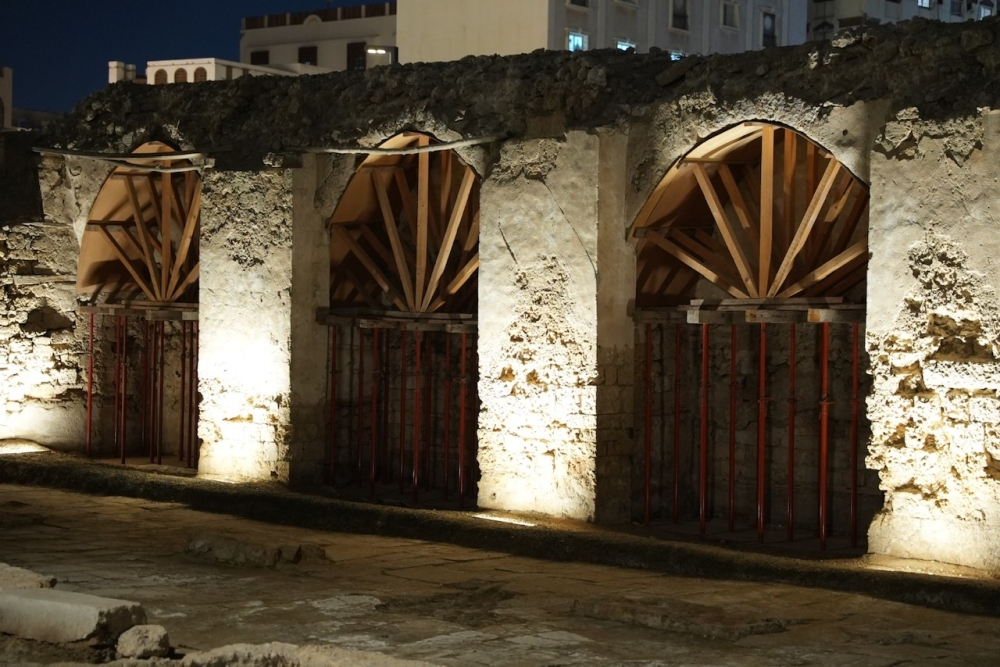
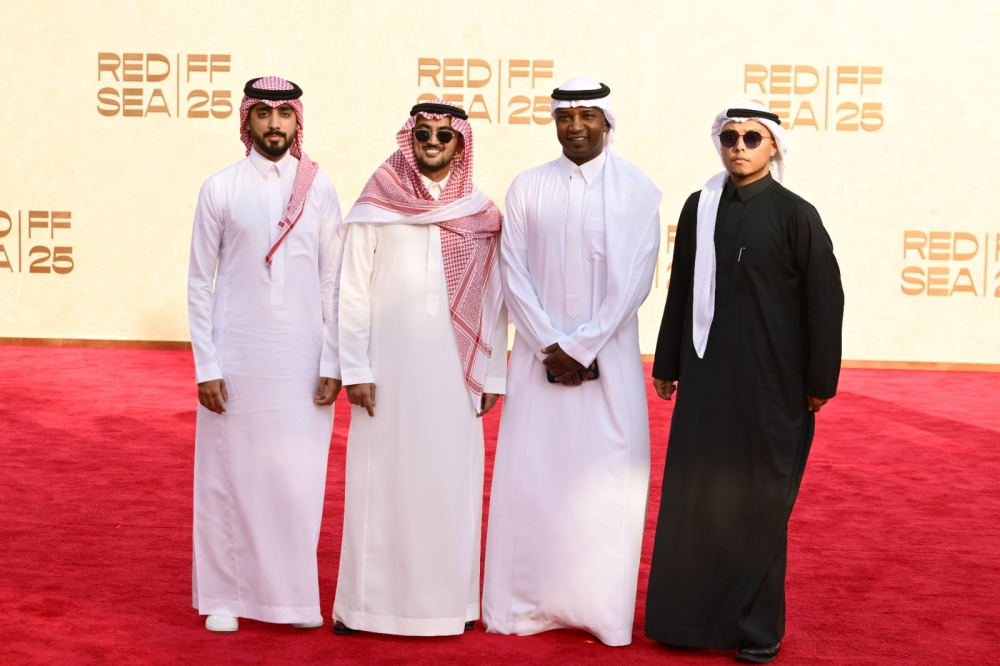
In a move reflecting the rapid development of the local film industry, the Cultural Square in the historic Al-Balad district hosted distinguished screenings as part of the "New Saudi Cinema" program. The red carpet witnessed the premiere of "Nour," directed by Omar Al-Muqri, which documents the journey of footballer Mohammed Noor, presenting an inspiring story of his rise from humble beginnings in Mecca to the pinnacle of sporting glory. This reflects the festival's commitment to documenting impactful local stories.
Experimental artistic experiences also emerged through the film “I Saw Sand Drawing” by director Abdullah Al-Hamdi, and the film “Circles of Life” by director Khalid Al-Dusaimani, as the two works presented a philosophical vision of art and memory, which confirms the maturity of the artistic tools of Saudi filmmakers and their ability to present deep visual and intellectual treatments that go beyond traditional narrative.
Global performances and cultural diversity
Internationally, the festival continued its role as a platform for cultural diversity through the Red Sea Feature Film Competition. The Kenyan film "Track Mama" by director Zebora Nyarori, the Somali film "Barney" by director Mohamed Sheikh, and the Syrian film "Younan" by director Amir Fakhreddine were screened. These selections reflect the festival's commitment to highlighting human issues in the Arab region and Africa, from stories of daily struggle to themes of alienation and identity.
Among the highlights of the fourth day was the premiere of "Unknown," a film by pioneering Saudi director Haifaa Al-Mansour, a key figure in the development of Saudi cinema on the international stage. Her film tells the story of Nawal and her journey of self-discovery, adding an important social dimension to the screenings. The festival also celebrated Indian cinematic heritage with a screening of the restored version of the classic "Omrao Jaan" (1981), underscoring the festival's role in preserving global cinematic memory.
Inspiring dialogues that shape the future of the industry
The festival's events weren't limited to screenings; its halls also hosted exceptional panel discussions that enriched the artistic discourse. Among the guests were American director Sean Baker, head of the competition's jury, Egyptian actress Mai Omar, and internationally acclaimed Lebanese director Nadine Labaki.
In her panel discussion, Academy Award nominee Nadine Labaki emphasized the soft power of cinema and its impact on societal change. Reflecting her artistic vision, she stated, “Humanity is my primary source of inspiration… I believe this profession is a noble one that only achieves its true purpose when it succeeds in reaching the depths of the human soul.” These dialogues not only contribute to the exchange of expertise but also open new horizons for artistic collaboration, further solidifying the Red Sea Film Festival’s position as a pivotal event on the global cinematic calendar.