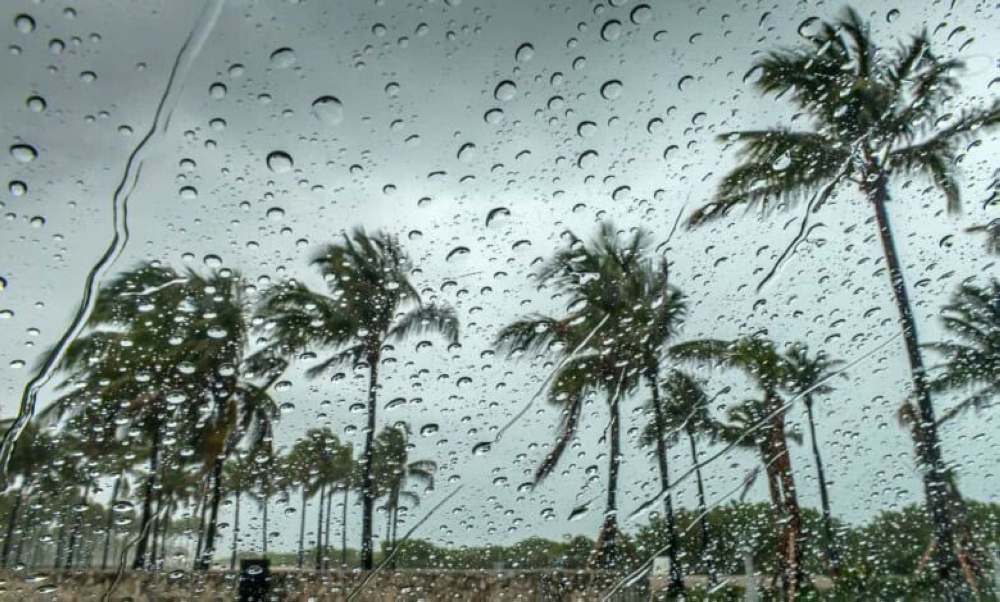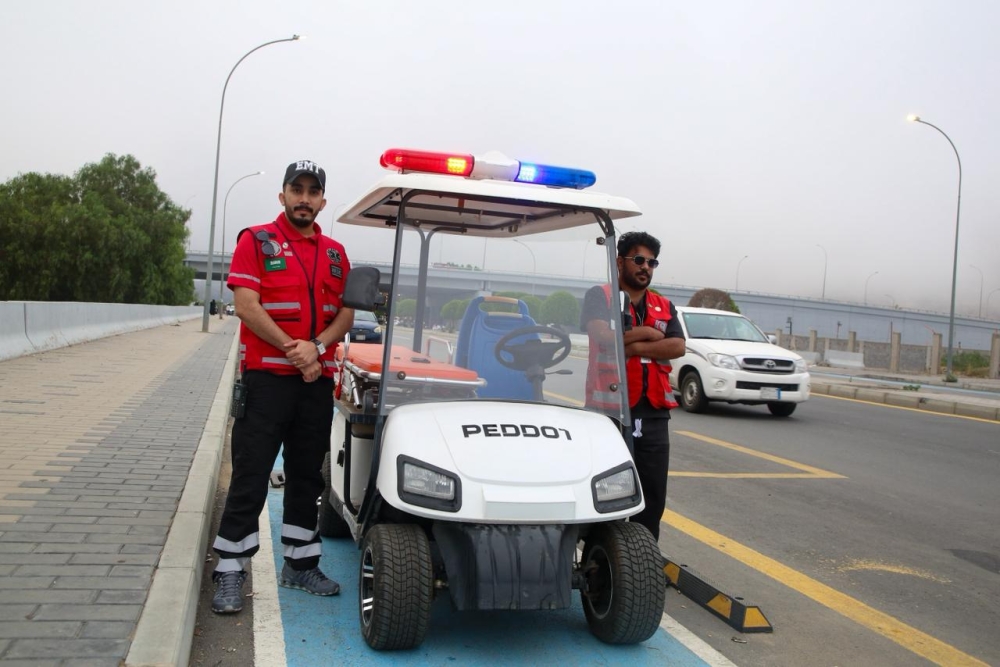
The Saudi Red Crescent Authority announced a state of maximum alert and readiness for all its teams in Mecca , coinciding with official warnings issued by the National Center for Meteorology regarding expected heavy rainfall in the region. All available human and logistical resources have been mobilized to ensure a rapid response to any emergency that may arise from these weather conditions.
The region's climate and history of dealing with weather fluctuations
The Makkah region is characterized by a unique geography and climate that makes it susceptible to rapid weather fluctuations, especially during seasonal transitions. Historically, the Holy City and its surrounding governorates have experienced heavy rainfall events requiring swift and well-planned intervention from relevant authorities. Disaster and crisis management in Saudi Arabia serves as a model of excellence, with the Saudi Red Crescent Society having accumulated decades of experience in dealing with floods and heavy rains. This expertise has contributed to the development of advanced response protocols that ensure the protection of lives and property and mitigate the risks posed by sudden climate changes.
Strategic dimensions of raising the readiness of the Red Crescent in Mecca
These preparations are of paramount importance, extending beyond the local level to encompass regional and international dimensions, given Makkah's status as a destination for millions of Muslim pilgrims and visitors throughout the year. Ensuring the safety of these visitors reflects the efficiency of the Kingdom's health and emergency infrastructure. Locally, this mobilization contributes to reassuring the population, while internationally it demonstrates the Kingdom's commitment to providing a safe and stable environment for pilgrims, thus enhancing Saudi Arabia's reputation for highly professional crowd and crisis management.
Activating emergency plans and deploying ambulance teams
The authority explained that it has activated its preparedness plans across all emergency services sectors and enhanced the efficiency of the Command, Control, and Medical Dispatch Center to monitor the rainfall situation in real time. This measure aims to direct field teams according to the highest operational standards to ensure rapid response to affected areas. The authority has also reinforced the deployment of ambulance teams by positioning them at vital support locations within the most affected governorates, including areas near wadis, highways, traffic congestion points, and rugged terrain, to ensure effective rapid intervention.
Statistics and capabilities of the ambulance sector in the region
Official statistics indicate that the Makkah region comprises 19 ambulance sectors supported by 98 ambulance centers operating around the clock. These centers are distributed as follows: 24 centers in Taif across four sectors, 36 centers in Jeddah across seven sectors, and 38 centers in Makkah (the Holy City) across eight sectors. These centers work in conjunction with field support and deployment points covering the governorates affected by the rainfall, in accordance with approved operational plans.
Important guidelines for citizens and residents
In closing, the Saudi Red Crescent Authority urged all citizens and residents to follow the instructions and warnings of the relevant authorities and to avoid approaching flood channels and water accumulations. It also stressed the importance of cooperating with ambulance teams by giving way to emergency vehicles and refraining from gathering at accident sites to facilitate rescue operations. The Authority encouraged everyone to request ambulance services when needed by calling the toll-free number 997 or by using the "Is'afni" (Rescue Me) smart application, which allows for highly accurate geolocation, thus expediting the arrival of field teams to provide necessary medical care.