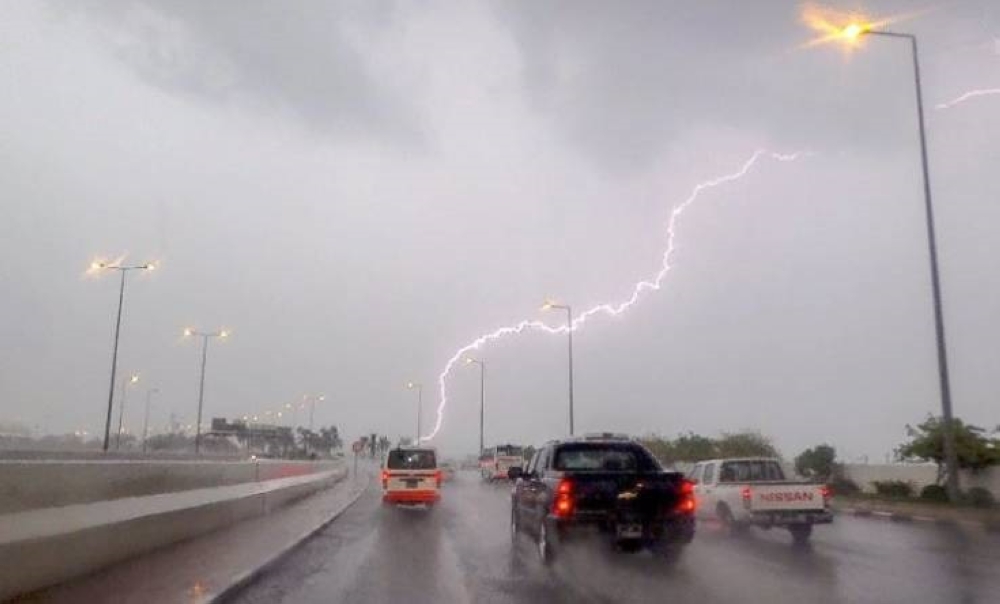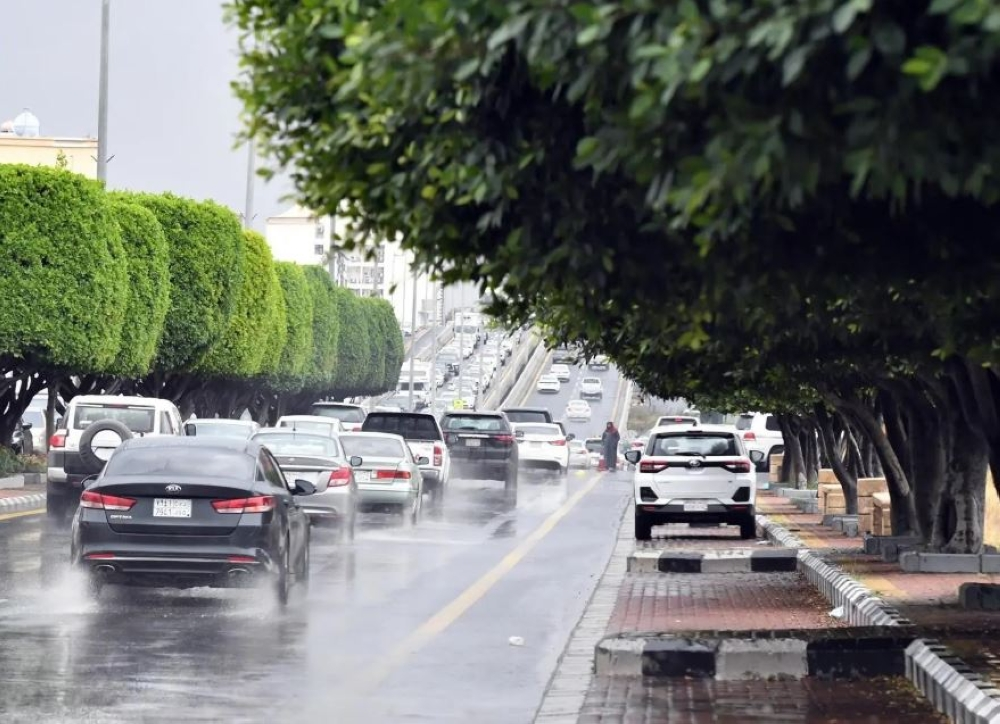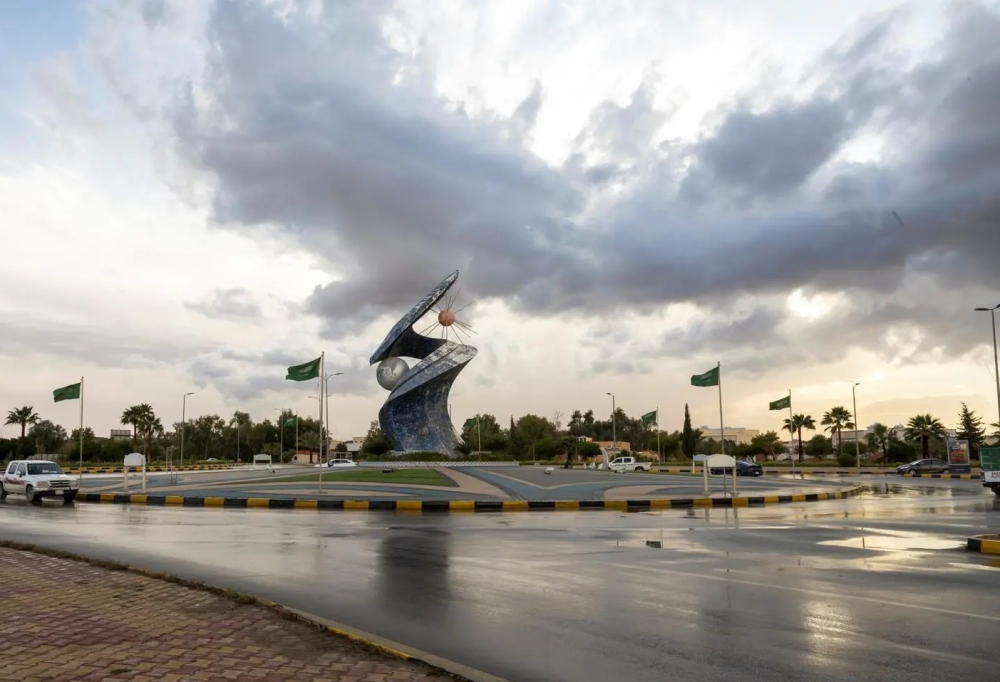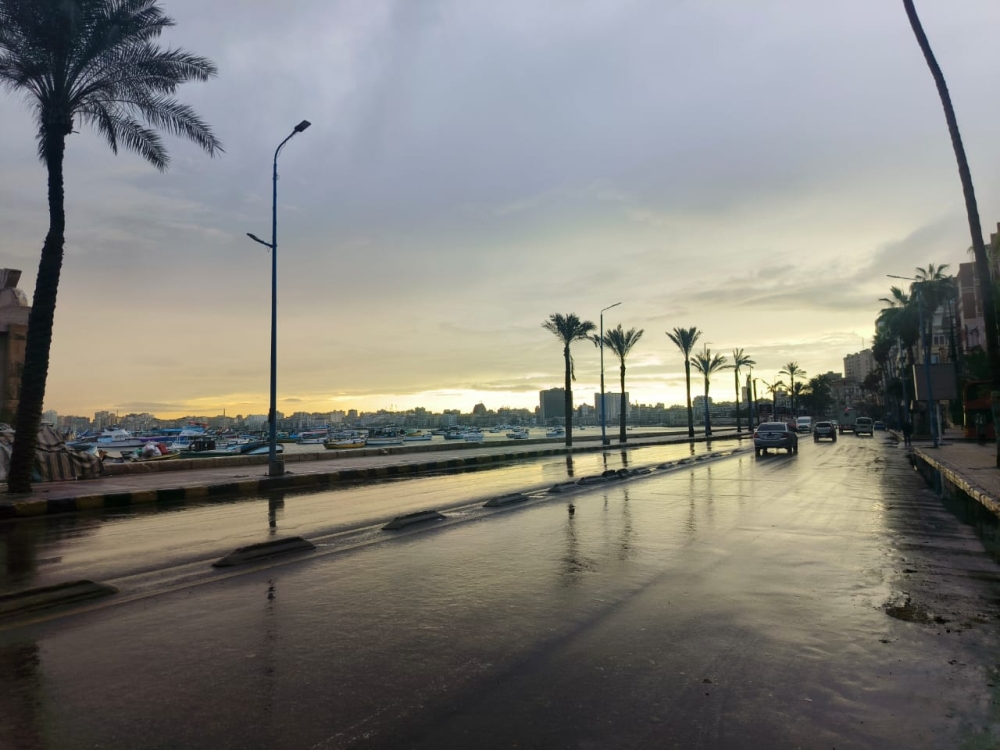
The National Center for Meteorology in Saudi Arabia issued a red alert on Thursday for heavy rains accompanied by thunderstorms and severe weather conditions affecting large parts of 10 administrative regions. These warnings come as part of ongoing monitoring of the weather situation, with the rains expected to be accompanied by high-speed winds leading to reduced horizontal visibility, hail, flash floods in valleys and ravines, and frequent lightning strikes.
Climate context and the development of meteorological monitoring systems
Historically, the Arabian Peninsula, and Saudi Arabia in particular, has experienced significant weather fluctuations during the transitional periods between seasons. These fluctuations are characterized by atmospheric instability resulting from the convergence of warm, humid air masses originating from the Arabian Sea with passing low-pressure systems. These recurring weather phenomena have prompted relevant authorities to significantly develop early warning systems in recent years to mitigate the risks associated with flash floods, which have long impacted infrastructure and residential areas near wadis (valleys). This reflects the Kingdom's commitment to protecting lives and property.
Map of areas covered by a red alert for heavy rain
The detailed report issued by the Meteorological Authority indicated that the rainfall is concentrated in several major cities and governorates, including:
- Eastern Province: Hafr Al-Batin, Al-Khafji, Al-Nairiyah, Qaryat Al-Ulya, Al-Ahsa, Al-Udayd, Buqayq, Jubail, Al-Khobar, Dammam, Dhahran, Qatif, and Ras Tanura.
- Riyadh Region: Al-Zulfi, Al-Ghat, Al-Majma’ah, Shaqra, Al-Rayn, Al-Quway’iyah, Al-Dawadmi, Afif, Al-Hariq, Al-Kharj, Al-Dilam, Al-Muzahmiyah, Hawtat Bani Tamim, Thadiq, Huraymila, Rumah, Dhurma, Marat, Al-Diriyah, and the capital, Riyadh.
- Makkah Region: Al-Jumum, the Holy Capital, Taif, Al-Kamil, Khulais, Al-Khurmah, Al-Muwayh, Turabah, Ranyah, Al-Qunfudhah, Al-Muzaylif, Al-Shuaiba, Al-Lith, Bahrah, Rabigh, Adham, Bani Yazid, Jadhm, Maysan, Yalamlam, Al-Ardiyat, and Jeddah.
- Madinah region: Al-Hanakiya, Al-Mahd, Wadi Al-Fara’, Al-Ais, Al-Rais, Yanbu, Madinah, and Badr.
- Northern Border Region: Al-Uwaiqilah, Arar, and Rafha.
- Hail region: Al-Shanan, Baqaa, Samira, Al-Hait, Al-Sulaimi, Al-Shamli, Al-Ghazala, Al-Kahfa, Al-Mustajda, Hail, Ghazlana, and Muwaqq.
- Al-Qassim region: Al-Asyah, Al-Badai’, Al-Bukayriyah, Al-Thamiriya, Al-Shamasiya, Al-Ammar, Al-Mudhnib, Buraydah, Unayzah, Uyun Al-Jawa, Aban, Al-Khabra, Ar-Rass, Al-Fawarah, An-Nabhaniah, Riyadh Al-Khabra, Dhariyah, and Uqlat As-Suqur.
- Al-Baha region: Al-Hajrah, Al-Makhwah, Far’ah Ghamid Al-Zanad, Al-Baha, Al-Aqiq, Al-Qura, Al-Mandaq, Baljurashi, and Bani Hassan.
- Asir region: Al Namas, Balqarn, Tanomah, Al Majardah, Bariq, Rijal Alma, Mahayil, Al Harjah, Al Rabua, Al Farsha, Sarat Abidah, Dhahran Al Janoub, Abha, Ahad Rafidah, and Khamis Mushait.
- Tabuk region: Tayma, Tabuk, Al Wajh, Umluj, Al Bada, Haql, Duba, and Neom Sharma.
Expected impacts and strategic importance of early warning
This weather event is of great importance both locally and regionally. Locally, these rains contribute to replenishing groundwater reserves and supporting the agricultural sector, which relies heavily on rainfall. However, they also necessitate a full mobilization of civil defense teams and municipal authorities to ensure the safety of lives from the risk of flash floods and to maintain the smooth flow of traffic. Regionally, these climatic changes reflect broader shifts in weather patterns across the Middle East, requiring ongoing cooperation in sharing climate data among the countries of the region.
Red alert – #Riyadh_Region – #Zulfi #Ghat #Majmaah #Shaqra
For details: https://t.co/2wEuK3U0ZP #EarlyWarning #SaudiWeather #NationalCenterForMeteorology pic.twitter.com/G6rbC9SaU1
— National Center of Meteorology (NCM) (@NCMKSA) March 25, 2026
Official authorities urge all citizens and residents to adhere to the instructions issued by the Civil Defense, avoid being in valleys and flood channels during rainfall, and follow the continuous updates issued by the National Center for Meteorology to ensure public safety during this critical period of weather fluctuations.