The National Center for Meteorology in Saudi Arabia issued an advanced warning on Wednesday, classified as a "red alert," cautioning of a severe weather system directly impacting large parts of the Northern Borders and Al-Jawf regions. This warning comes as part of ongoing weather monitoring and the efforts of relevant authorities to ensure the safety of citizens, residents, and highway travelers.
Weather details and affected cities
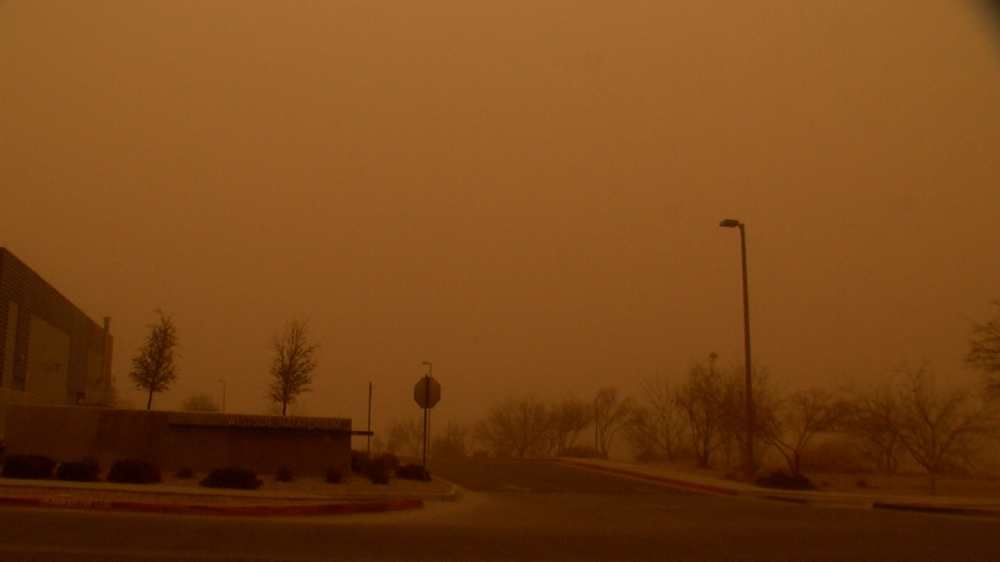
According to the center's report, the weather condition consists of strong winds causing dense dust storms, resulting in near-zero horizontal visibility (less than 1 kilometer). The center specified that the condition would begin at 9:00 AM and continue until 6:00 PM on Wednesday.
The affected areas in the Northern Borders region Al-Uwayqilah, Arar, and Tarif. In the Al-Jawf , the affected areas include Dumat Al-Jandal, Sakaka, Al-Qurayyat, and Tabuk. These areas are characterized by their open, desert terrain, making them more susceptible to surface winds that carry dust and sand over wide distances.
The implications of a "red alert" and the importance of the warning
The “Red Alert” is the highest level of alert in the National Center of Meteorology’s automated early warning system. It signifies a severe weather phenomenon requiring extreme caution and vigilance. This type of alert is typically associated with weather conditions that could affect lives and property, necessitating that field teams be prepared to respond to any emergency.
These warnings are particularly important in the northern regions of the Kingdom due to the presence of international highways connecting the Kingdom to neighboring countries, where poor visibility poses a real danger to traffic and heavy vehicles. The relevant authorities urge drivers to stop in the nearest safe area when the storm intensifies and not to risk driving in conditions of zero visibility.
Fog covers the eastern region
While dust storms swept through the north, the eastern region experienced a different weather phenomenon: light fog, reducing horizontal visibility to between 3 and 5 kilometers. This condition began at 1:00 AM and continued until 9:00 AM.
The alert covered a large number of Eastern Province governorates, including Jubail, Khobar, Dammam, Dhahran, Qatif, Ras Tanura, Nairyah, Al-Ahsa, Abqaiq, and others. This phenomenon typically occurs due to high surface humidity combined with low nighttime temperatures, necessitating caution when traveling in the early morning hours.
Public safety recommendations
Given these fluctuating conditions, doctors and specialists advise, especially those with respiratory illnesses and asthma, to avoid direct exposure to dust and stay indoors as much as possible. The General Directorate of Civil Defense also urges everyone to adhere to the instructions announced through official media outlets and early warning applications to ensure public safety.