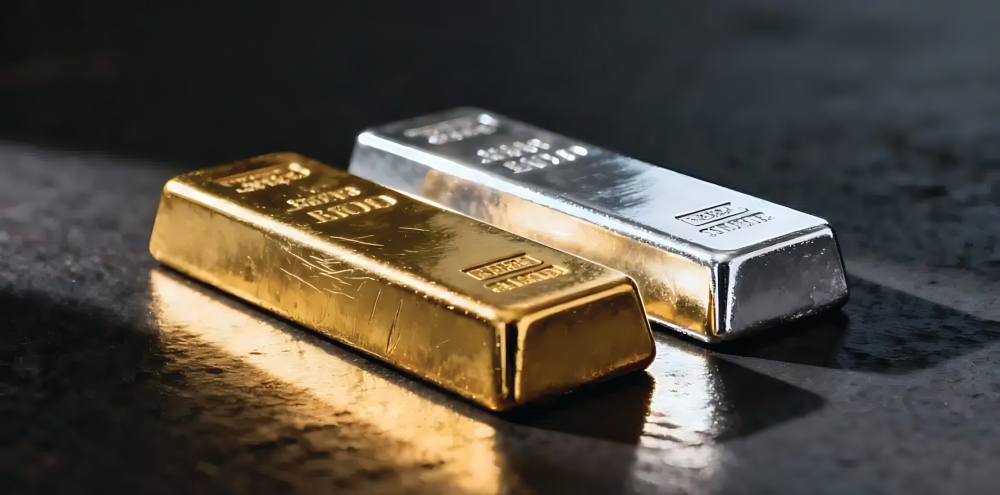
Global markets witnessed a strange paradox today as gold and silver prices declined despite escalating geopolitical tensions in the Middle East. This drop left investors puzzled, as the yellow metal is traditionally known as a safe haven that appreciates in value during times of crisis and war. Even in evening trading, gold prices fell by about 1% to new lows, while silver experienced significant volatility and consecutive declines.
The history of safe havens: Why is the decline in gold prices surprising?
Historically, precious metal prices have been directly correlated with global crises. During periods of major conflict, such as the oil crises of the 1970s or subsequent geopolitical tensions, investors have rushed to shift their liquidity into safe-haven assets to protect their wealth from inflation and currency collapses. Therefore, the decline in gold prices amidst the current turbulent landscape represents an exceptional departure from established financial market norms, necessitating a thorough analysis of the interplay of economic factors that led to this unexpected outcome.
4 key factors behind the decline in gold and silver prices
1. Profit-taking after record highs
One of the main reasons for this decline is profit-taking. Gold had seen a significant rise in the months leading up to the current crisis, prompting many investors to sell part of their holdings to realize gains. With stock markets under downward pressure following the surge in oil prices, traders turned to gold to generate cash and cover losses in other sectors—a common practice during times of market turmoil.
2. The strength of the US dollar and bond yields
This situation coincided with a strengthening US dollar, as investors sought to hold cash. A strong dollar tends to negatively impact gold, as it makes it more expensive for buyers using other currencies. Furthermore, rising US Treasury yields have diminished the appeal of non-income assets like gold, especially given growing expectations that the Federal Reserve will postpone interest rate cuts if inflation continues to rise.
3. Higher profit margins and a crackdown on speculation
Tighter trading conditions played a significant role in impacting precious metals markets. Major exchanges raised margin requirements for gold and silver futures contracts amid sharp volatility. This increase meant traders had to hold more cash to maintain their leveraged positions, forcing some speculators out of the market and consequently reducing short-term momentum.
4. Rumors of central banks liquidating their reserves
Rumors circulating about the possibility of some central banks selling part of their gold reserves to increase liquidity have impacted market sentiment. An increase in gold supply by major institutions could exert significant downward pressure on prices, even if individual or institutional demand remains strong.
Economic repercussions and the future of global markets
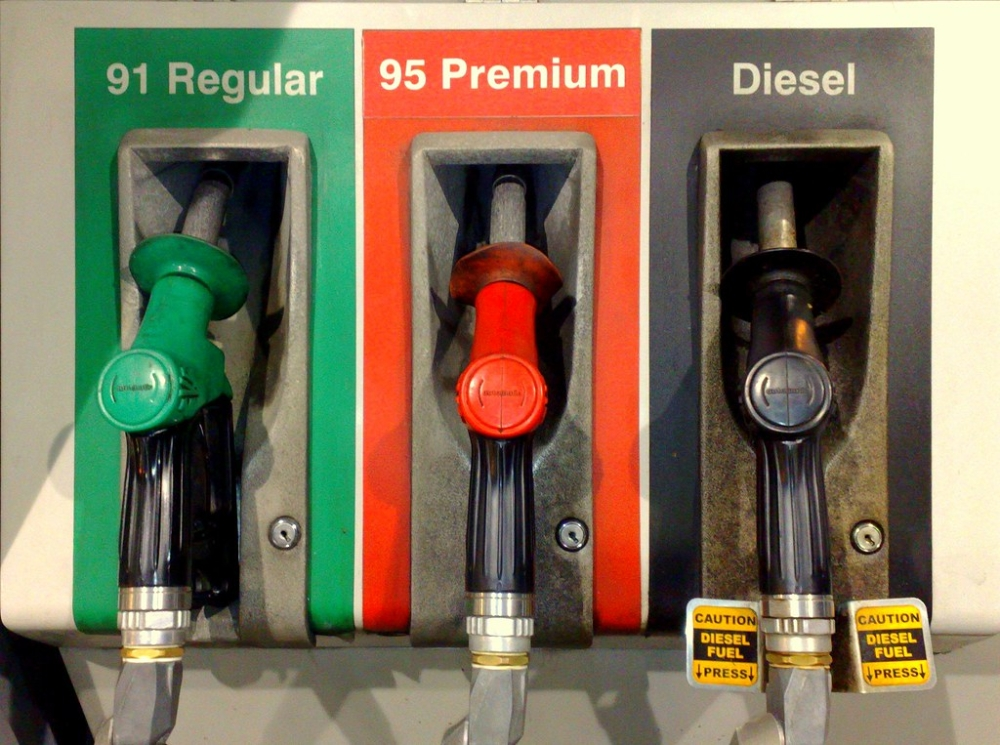
The current shifts are not limited to the metals markets but extend to the entire global economy. Analysts suggest that the recent decline does not necessarily reflect a change in long-term expectations, but rather represents a response to short-term volatility as investors balance the need for liquidity with the search for safety. Meanwhile, attention is turning to the energy markets, where the sharp rise in oil prices, with Brent crude nearing record highs and surpassing $105 a barrel, has sparked renewed inflationary concerns.
These developments are directly reflected in the regional and international landscape, particularly with growing concerns about the security of supplies through strategic waterways such as the Strait of Hormuz. This confluence of declining precious metal prices and rising energy costs is creating a complex economic environment, presenting central banks and governments with unprecedented challenges in controlling inflation without harming global economic growth rates.