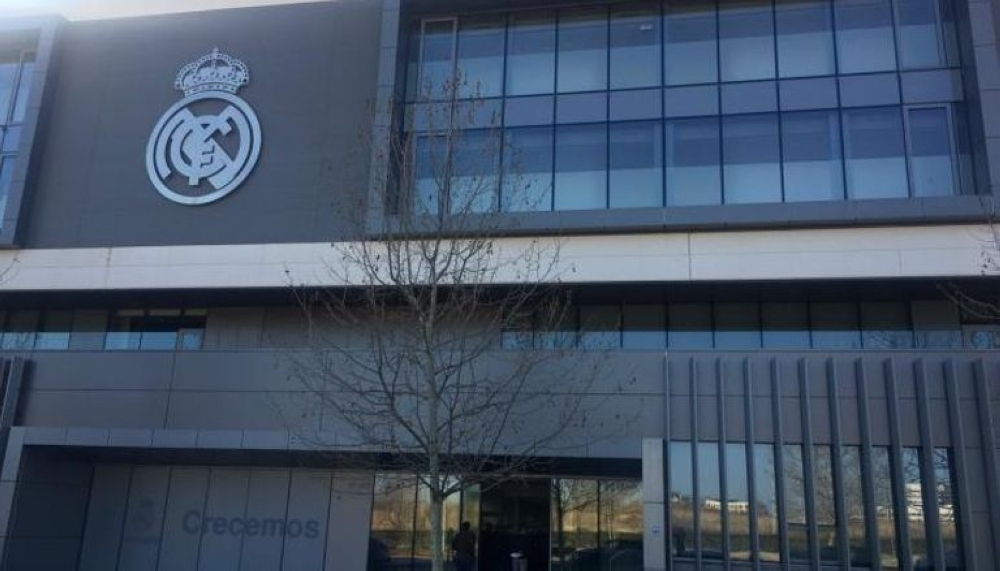
Real Madrid, one of the world's most prestigious sports clubs, faces an unprecedented legal challenge off the pitch. Spanish courts have paved the way for a potential criminal trial against the club, based on issues related to noise pollution from the recently renovated Santiago Bernabéu stadium, according to recent court documents.
Details of the court decision and the charges brought
According to a document seen by AFP, a Madrid investigating judge issued a court order on January 15, stating that there were “sufficient grounds” to classify the noise disturbances complained of by residents of the Chamartín neighborhood as a criminal offense. The judge explained that the series of concerts held at the stadium between April 26 and September 8, 2024, which included a major performance by global superstar Taylor Swift, repeatedly exceeded the sound limits permitted by the Madrid City Council.
These legal proceedings target Real Madrid Estadio, the stadium's operating arm, as well as José Ángel Sánchez, the club's general manager and a close confidant of president Florentino Pérez. The accusation is based on the claim that the club made its stadium available to event organizers knowing full well that the facility's soundproofing was inadequate to prevent noise leakage, posing a potential risk to public health and the quality of life of nearby residents.
The economic context and the massive renovation project
To understand the dimensions of this crisis, one must consider the economic context of the Santiago Bernabéu renovation project. Real Madrid invested an astronomical sum of approximately $1.76 billion to transform its historic stadium into an architectural masterpiece and a year-round entertainment hub, not just a matchday venue. The renovations incorporated cutting-edge technologies such as a retractable roof and a movable turf pitch, designed to host concerts, conferences, and other sporting events (like tennis and basketball) and maximize revenue.
The club’s strategic plan relied heavily on these non-football activities to pay off renewal debts and increase annual income to compete with state-owned clubs, but these legal obstacles could be a major blow to the club’s new economic model.
Geographical challenges and the influence of neighboring areas
The root of the problem lies in the unique geographical location of the Santiago Bernabéu stadium. Unlike many modern stadiums built on the outskirts of cities or in industrial areas, Real Madrid's home ground is situated in the heart of the upscale Chamartín district, surrounded by residential buildings. This extreme proximity makes it much more difficult to isolate the noise from loud concerts compared to football matches.
As a result of these complaints and legal pressures, since September 2024 the club has been forced to suspend or move many of its scheduled concerts to the Metropolitano stadium of its traditional rival Atletico Madrid, which is located in a more isolated area outside the dense urban area, highlighting the contrast in urban planning between the two stadiums and its impact on the sustainability of entertainment events.