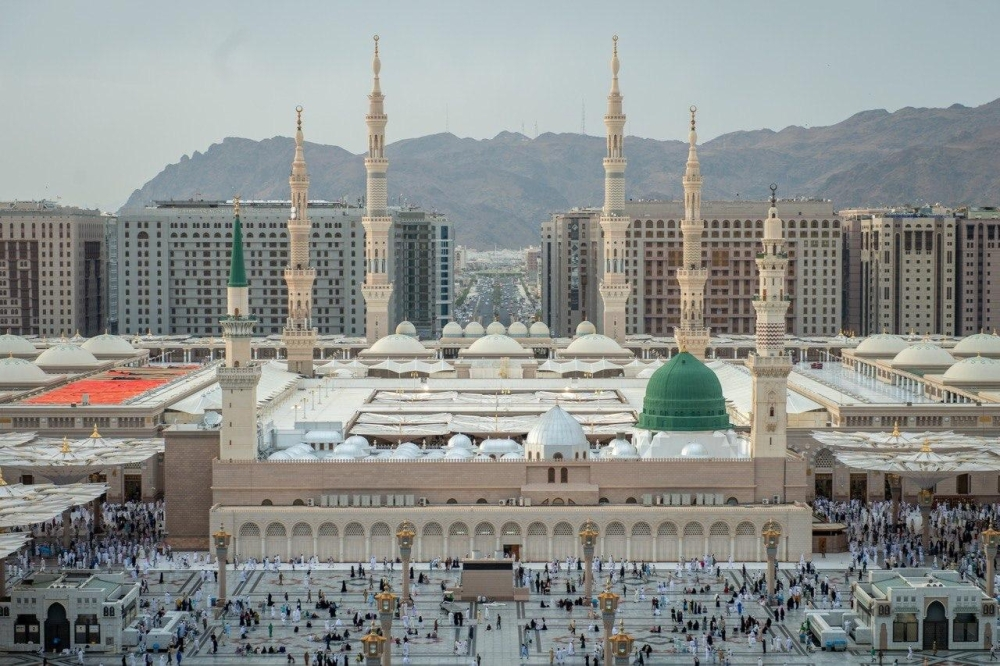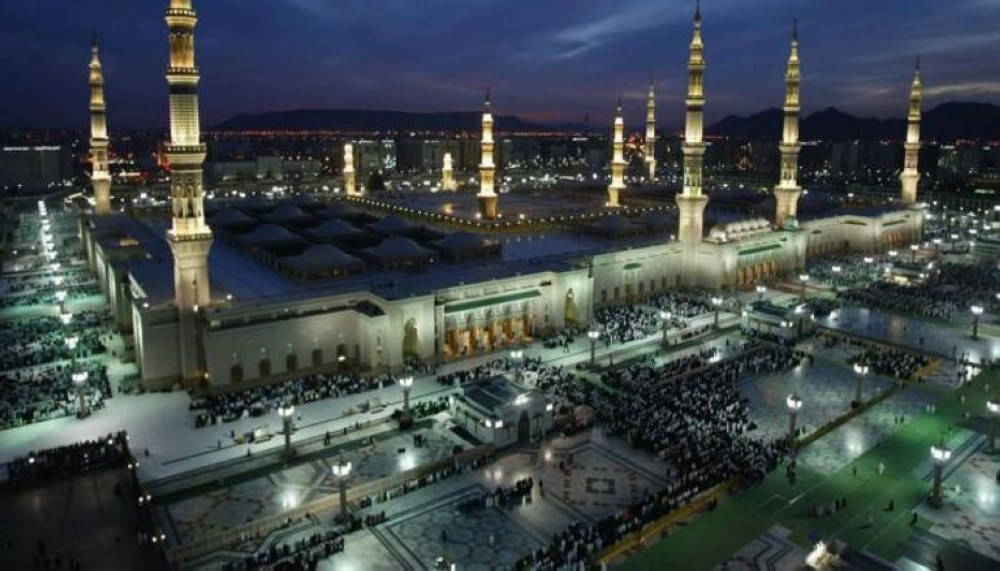
The National Center for Meteorology in Saudi Arabia has issued its preliminary weather forecast for the holy month of Ramadan 1447 AH, a period of particular importance to the millions of Muslims who flock to Mecca and Medina to perform Umrah and visit the holy sites. The forecast indicates that the holy month will see temperatures above average, with less rainfall than usual in the two holy cities.
Details of the weather forecast for Ramadan 1447 AH
The report indicated that temperatures are expected to be higher than normal, with an estimated increase of 1 degree Celsius in Mecca and 1.2 degrees Celsius in Medina. The average temperature during this period is approximately 26.8 degrees Celsius in Mecca and 23.1 degrees Celsius in Medina, meaning the weather will be noticeably warmer.
Regarding rainfall, the center predicted amounts below the normal average. The normal rainfall in Mecca is approximately 4.2 mm, and in Medina, approximately 4.3 mm. These amounts are classified as very light, indicating the likelihood of dry weather prevailing for most of the month.
General context and importance of weather forecasts during Ramadan
These forecasts come at a crucial time, as Ramadan marks the peak of the Umrah season, during which the Kingdom welcomes millions of pilgrims and visitors from around the world. The desert climate of the Hijaz region has historically been a significant factor in the journeys of pilgrims, and accurate weather forecasts play a pivotal role in planning and ensuring the safety and comfort of these guests of God.
Knowing the weather conditions in advance allows the relevant government agencies, such as the Ministry of Health, Civil Defense, and the Presidency of the Two Holy Mosques Affairs, to raise the level of readiness and preparedness to deal with any emergency, especially with regard to heat stress and sunstroke that fasting people may be exposed to.
Expected effects and necessary preparations
The expected rise in temperatures increases the likelihood of heat exhaustion and dehydration among pilgrims, especially during the daytime while fasting and performing physically demanding rituals. This necessitates that pilgrims take extra precautions, such as drinking plenty of fluids and water after breaking their fast, avoiding direct sunlight as much as possible, using umbrellas, and ensuring they get adequate rest.
On an official level, this information contributes to supporting the plans of relevant authorities to serve pilgrims to the Two Holy Mosques. Typically, the number of Zamzam water distribution points is increased, misting fans are activated in the courtyards of the Two Holy Mosques to alleviate the heat, and the readiness of medical and ambulance teams is enhanced to respond immediately to emergencies. The National Center of Meteorology confirmed that issuing these seasonal forecasts aims to support these efforts and ensure the provision of the best possible services for pilgrims and visitors, urging everyone to follow the periodic updates through its official channels to obtain accurate and continuous information.