As the blessed month of Ramadan approaches, scenes of spiritual and social preparation are renewed in Mecca, where residents are keen to revive customs and traditions passed down through generations, reflecting the great importance of the holy city and the deep connection its people have with this holy month. These preparations are not merely material; they are annual rituals that reinforce Meccan identity and strengthen community bonds in the holiest place on earth.
Historical and spiritual background of the place
Mecca holds a unique place in the hearts of Muslims worldwide. It is the birthplace of revelation and home to the Sacred House of God and the Holy Kaaba, the direction Muslims face in their prayers. This historical and religious sanctity gives the month of Ramadan in Mecca a truly special and unparalleled character. Throughout the ages, Mecca has been a destination for Muslims during this month, where rewards are multiplied and tranquility prevails. Therefore, the preparations of its inhabitants extend beyond their own needs to include welcoming the guests of God who come from all corners of the earth to perform Umrah and observe Itikaf within the precincts of the Grand Mosque.
Signs of preparation: From home to the market
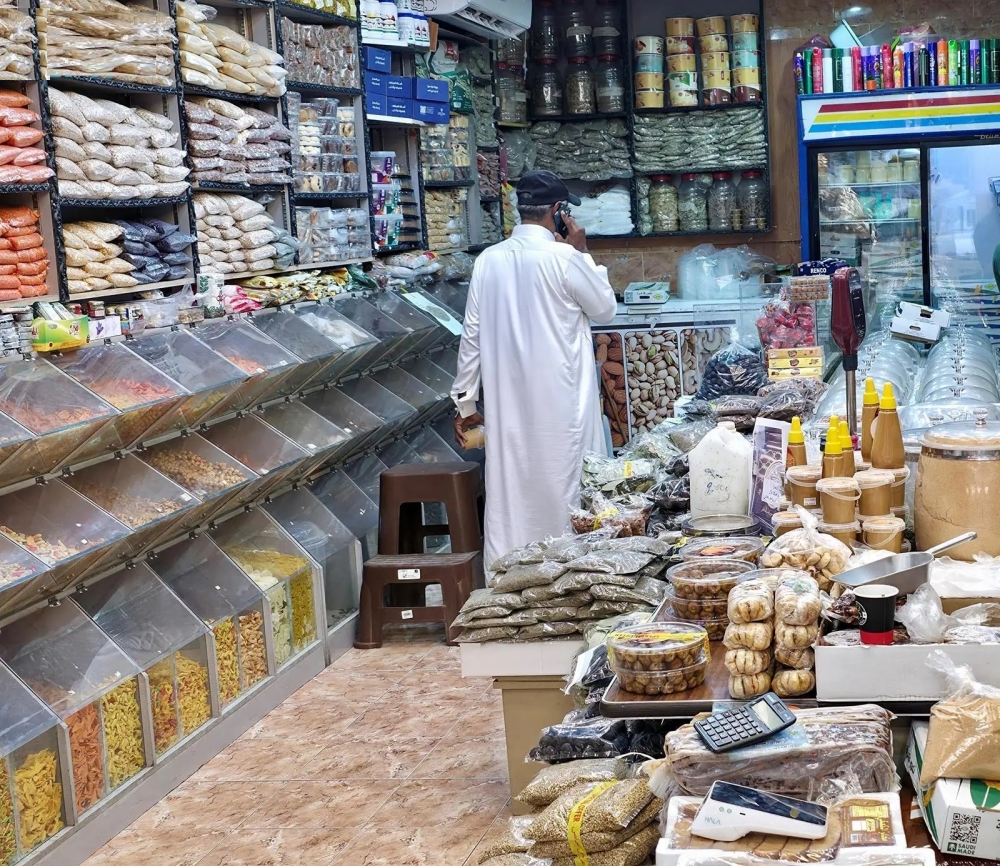
One of the most prominent pre-Ramadan customs in Mecca is the preparation and tidying of homes to welcome the holy month, in an atmosphere of optimism and joy. This preparation is a social tradition reflecting the emphasis on hospitality and the numerous family gatherings that characterize Ramadan nights. The historic markets of Mecca also witness a surge in activity before the start of Ramadan, most notably the Al-Utaibiyah and Al-Aziziyah markets, where residents flock to purchase supplies for the holy month. Traditional utensils and tools for preparing popular Meccan dishes, such as ful (fava beans), soup, and sambousak, are particularly sought after during this period, reflecting the local community's commitment to its rich culinary heritage.
Makkah families begin preparing some basic ingredients for traditional dishes a few days before Ramadan, such as roasting spices, preparing flour, and making clarified butter. These customs add a special flavor to the Ramadan table and bring family members together in an atmosphere of cooperation and affection.
Charitable initiatives and social solidarity
Before Ramadan, charitable and social initiatives emerge, embodying the spirit of giving for which the people of Mecca have been known throughout history. Food baskets are distributed to needy families, and some households prepare meals to send to neighbors or visitors to the Grand Mosque, reflecting the values of solidarity and brotherhood. These initiatives are not limited to individuals; they also include charitable organizations and volunteer groups that are very active in organizing iftar meals for those fasting in the courtyards of the Grand Mosque and the surrounding neighborhoods, thus strengthening the spiritual atmosphere and human bonds in the holy city.
Local and international importance and impact
The significance of these preparations extends far beyond the local level, having a broad regional and international impact. Locally, this period revitalizes commercial activity and bolsters the local economy. Internationally, the readiness of Mecca and its people to receive millions of pilgrims reflects the pivotal role of the Kingdom of Saudi Arabia in serving the Two Holy Mosques and caring for their visitors. These spiritual and social scenes unfolding in Mecca are broadcast through the media to the entire Muslim world, inspiring Muslims and strengthening their connection to the beating heart of the Islamic world.
These customs and traditions remain a testament to the authenticity of the Makkah community, and its keenness to welcome the month of Ramadan with a spirit filled with faith, and feelings that are renewed year after year, in a city that embraces the Qibla of Muslims and feels the sanctity of time and place.