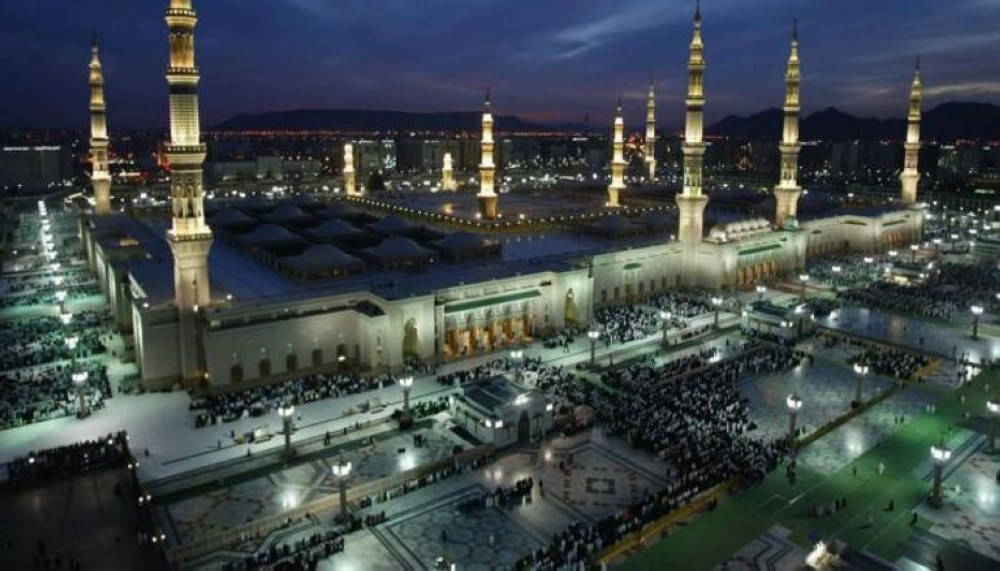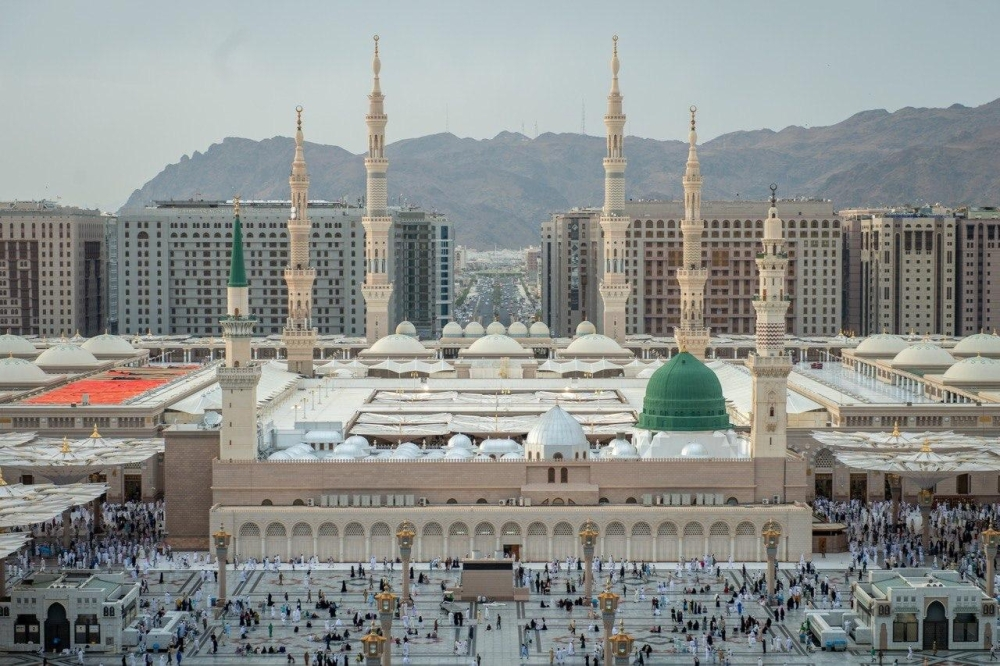
With the approach of the holy month of Ramadan for the year 1447 AH, the General Authority for the Care of the Affairs of the Grand Mosque and the Prophet’s Mosque announced the completion of its preparations and reviewed its integrated operational plan, which aims to provide the finest services to the guests of God, and to ensure a safe and convenient spiritual experience for millions of pilgrims and worshippers who come to the purest places from all over the world.
Historical background of serving the Two Holy Mosques during Ramadan
Since its founding, the Kingdom of Saudi Arabia has given utmost care to the Two Holy Mosques, considering serving their visitors a great honor and responsibility. Over the decades, the Two Holy Mosques have witnessed successive and massive expansion projects aimed at increasing their capacity and developing their infrastructure to accommodate the growing numbers of pilgrims and Umrah performers. The Ramadan season represents the peak of these efforts, as the number of visitors doubles, requiring exceptional logistical, security, and service plans. These plans have evolved from relying on traditional human organization to integrating the latest smart technologies and advanced crowd management systems, as clearly reflected in this year's plan.
The three pillars of the operational plan for the Ramadan season
This year's operational plan is based on three main pillars, ensuring the integration of roles and raising the efficiency of performance to serve the pilgrims in the best possible way:
- Highly efficient asset and facility management: This includes ensuring the utmost readiness of all facilities in the Two Holy Mosques. This is achieved through preventative and periodic maintenance of air conditioning, lighting, and sound systems, and ensuring the smooth operation of escalators and elevators. Cleaning, sanitization, and disinfection efforts are also intensified around the clock in the Mataf (circumambulation area), the Sa'i area, the arcades, the courtyards, and the new expansions, to guarantee a healthy and safe environment for worshippers.
- Enriching the spiritual experience of pilgrims: This focus centeres on everything that deepens the spiritual impact on visitors. This includes organizing the distribution of Iftar meals in cooperation with the “Ihsan” platform to ensure proper governance and accessibility for those in need, providing chilled Zamzam water throughout the Two Holy Mosques, and improving carpet, cart, and door services. The plan also includes preparing designated areas for Itikaf (seclusion in the mosque for worship) and providing guidance and religious instruction in multiple languages.
- Coordination and integration with relevant entities: The Authority recognizes that the success of the Hajj season depends on harmony and joint cooperation. Therefore, the plan focuses on enhancing coordination with all security, health, and service entities operating in the Two Holy Mosques, with the aim of unifying efforts, expediting decision-making, and ensuring the smooth flow of crowds, especially during peak times such as Taraweeh and Qiyam prayers and the night of the Quran's completion.
Using technology to serve pilgrims
The Authority is investing heavily in digital transformation to improve the quality of services provided. Its Ramadan 1447 plan includes a range of high-quality technological initiatives, most notably:
- Interactive 3D maps: To facilitate visitors' access to their destinations within the Two Holy Mosques and their facilities.
- Digital counting systems: Using advanced sensors and detectors to measure human density and effectively direct crowds.
- Interactive guidance screens: which provide information and guidance services in five different languages.
- “Rased Reports” service: To expedite the response to field observations and suggestions.
Importance and expected impact
The impact of this plan extends beyond the local level, reaching regionally and internationally. Locally, the plan ensures a safe and organized environment for citizens and residents to perform their religious rites. Internationally, the successful management of the Ramadan season reinforces the Kingdom's position as the custodian of the Two Holy Mosques, sends a message of reassurance to millions of Muslims worldwide, and reflects the Kingdom's civilized image and its exceptional ability to manage the world's largest human gatherings efficiently and effectively, in line with the goals of Saudi Vision 2030 to enrich the experience of pilgrims.