Iftar tables in Medina: More than just Ramadan meals
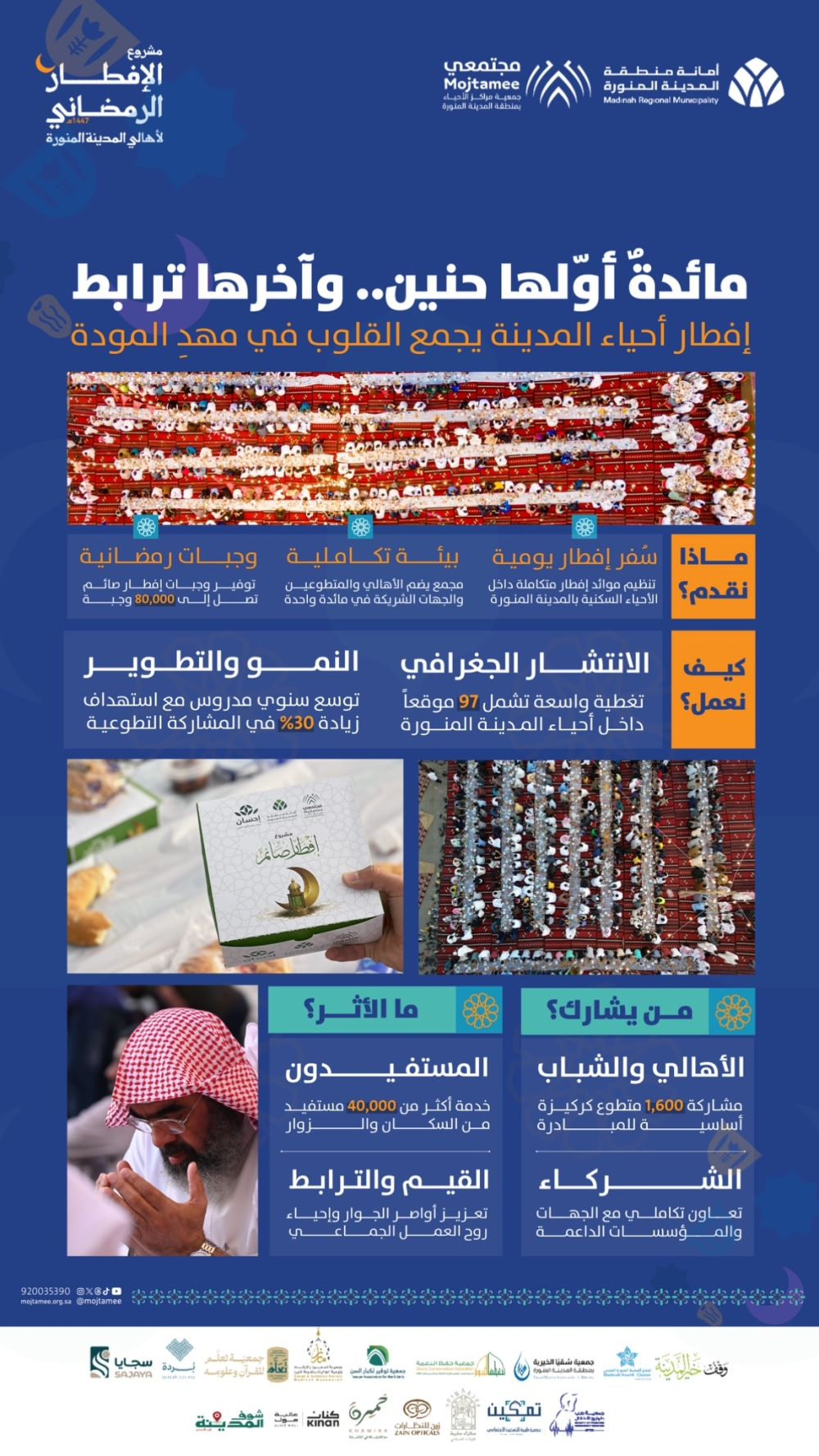
Every year, with the arrival of the holy month of Ramadan, the neighborhoods of Medina transform into a hive of charitable and social activity, embodying the highest ideals of solidarity in the form of communal iftar meals. These meals are no longer merely individual initiatives to provide food for those fasting, but have evolved into a comprehensive community system that revives the values of cooperation and strengthens neighborly bonds. This is achieved through the "Ramadan Iftar Project," implemented by the "My Community" Neighborhood Centers Association in Medina, in strategic partnership with the Medina Municipality.
A historical background rooted in the generosity of prophethood
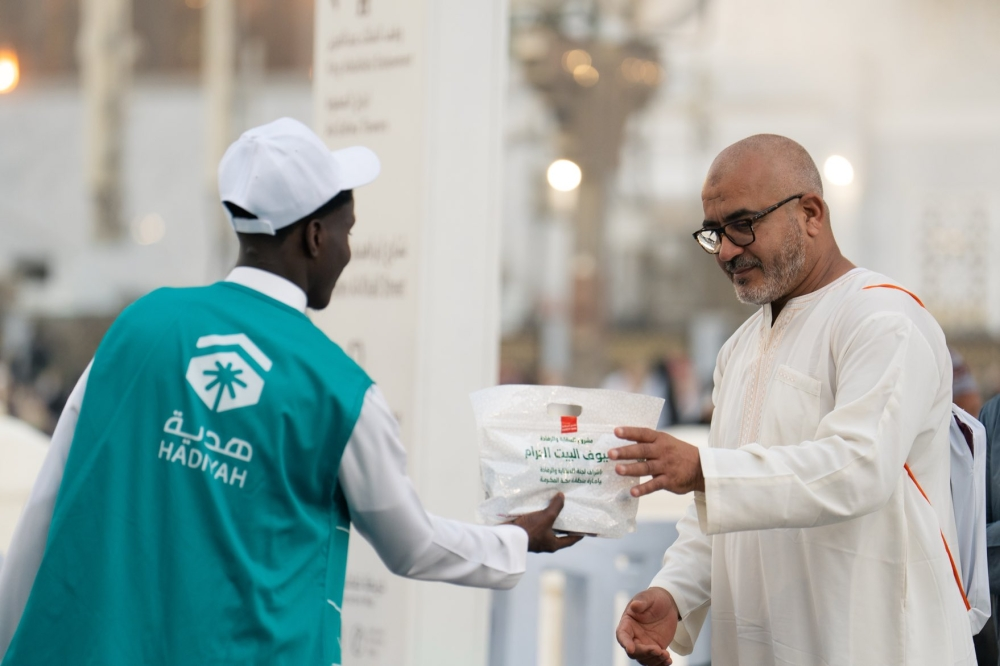
Medina, the city of the Prophet Muhammad (peace and blessings be upon him), holds a rich historical legacy of generosity and hospitality. Since his migration there, the Prophet established the foundations of a compassionate and supportive society, where providing food was considered one of the greatest acts of devotion. Throughout the ages, the people of Medina have maintained this tradition, especially during Ramadan, when they compete to serve visitors to the Prophet's Mosque and those fasting from all nationalities. This custom has evolved from individual and family efforts into organized institutional projects that reflect the spirit of the times while preserving the essence of the Prophet's values, making these communal meals a natural extension of this great legacy.
A comprehensive system with impactful figures and statistics
This year, the project covers a wide network of 97 locations within residential neighborhoods, aiming to reach the largest possible number of beneficiaries. This meticulous organization has transformed public squares and spaces into gathering points where residents, volunteers, and partner organizations come together to share a meal. The initiative aims to provide more than 80,000 Iftar and Suhoor meals during Ramadan, benefiting over 40,000 people throughout the holy month. Behind this achievement stands a dedicated team of 1,600 volunteers, who form the backbone of the operation and organization of the Iftar sites, ensuring the provision of organized services according to the highest standards of quality and safety.
Importance and impact: local and international dimensions
Locally, the project's impact extends beyond simply providing food; it reinforces social values, revives the spirit of neighborliness, and transforms iftar tables into humanitarian platforms that bring hearts together in a spirit of camaraderie. It also presents a valuable opportunity for young people to engage in volunteer work, contributing to their character development and strengthening their sense of belonging to their community. Nationally, this project aligns with the goals of Saudi Vision 2030 in promoting social responsibility, developing the non-profit sector, and increasing the number of volunteers. Internationally, it presents a positive image of the Kingdom and the tolerant values of Islam, particularly generosity and giving, especially as Madinah receives millions of visitors from around the world who witness this unique social cohesion and return home with inspiring stories of the spirituality of Ramadan in the city of the Prophet.