As the holy month of Ramadan approaches, millions across the Arab world turn their attention to television screens, eagerly anticipating the stories and surprises that television dramas will bring. The Ramadan season has become a significant cultural and social event, associated in the public mind with the names of major stars whom audiences have grown accustomed to watching year after year. However, the upcoming season holds a unique surprise, as the scene will be devoid of prominent artistic figures, leaving their seats empty and raising serious questions about the reasons for their absence and its impact on the competitive landscape.
Ramadan season: More than just TV series
Ramadan dramas are not a recent phenomenon; they are deeply rooted, having evolved from radio dramas to become the largest and most-watched industry in the region. This season is a marathon of artistic competition, with major production companies and satellite channels vying to attract viewers. Often, the biggest bet is placed on the "star" capable of guaranteeing high ratings. Family Ramadan traditions have become associated with certain names, and the presence of artists like Nasser Al-Qasabi in Saudi comedy, or Hayat Al-Fahad and Suad Abdullah in Gulf drama, has become an integral part of the holy month's memory for successive generations.
A void filled with anticipation: How will the absence of the big names affect us?
The absence of big names doesn't just mean the loss of a work of art; it leaves a profound impact on several levels. On a competitive level, this absence opens the door for a new generation of artists to prove their talents and seize the long-awaited opportunity for leading roles. It also pushes producers and directors to seek out stronger scripts and innovative plots to compensate for the absence of the sole star. As for the audience, this situation creates a sense of anticipation and curiosity to discover new works and rising stars who may become tomorrow's stars, thus lending the upcoming season an air of uncertainty and renewal.
List of absentees: Between health conditions and a move towards cinema
There are many reasons for the absence of stars this year, and the list is topped by names that have weight in Arab and Gulf drama:
- Nasser Al-Qasabi: After becoming an icon of Ramadan comedy in Saudi Arabia and the Gulf, actor Nasser Al-Qasabi will be absent from the upcoming season. His absence comes amidst questions about whether he is seeking a temporary break or waiting for an exceptional script to bring him back to his audience.
- Hayat Al-Fahad and Fayez Al-Maliki: Health issues have forced the absence of "The Lady of the Gulf Screen," Hayat Al-Fahad, who was unable to complete filming her project, as well as Saudi artist Fayez Al-Maliki, who is currently focusing on his recovery. Their absence has sparked an outpouring of support and prayers from their fans.
- Mohammed Al-Essa and Suad Abdullah: Also absent is the artist Mohammed Al-Essa, who has achieved remarkable success in recent years. The presence of the esteemed Kuwaiti actress Suad Abdullah is limited to a small guest appearance, a departure from the leading roles her audience is accustomed to seeing her in.
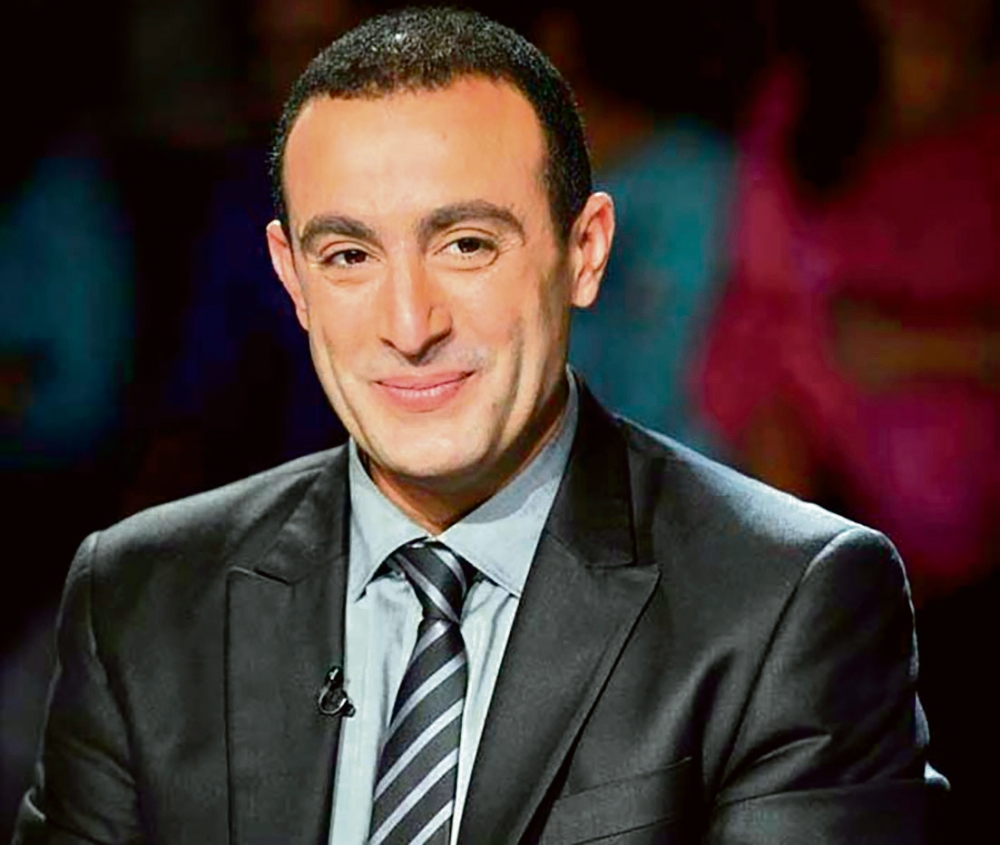
- Egyptian and film stars: The absence extends to Egyptian drama stars, with actor Ahmed El Sakka to focus on his upcoming film projects. Similarly, actress Donia Samir Ghanem has decided to take a break from the Ramadan television marathon to dedicate herself to her film work. As for actor Mohamed Ramadan , his participation remains uncertain, placing him among those likely to be absent.
In conclusion, the upcoming Ramadan season appears set to be different in every way. The absence of this constellation of stars will leave a significant void, but it also presents a genuine opportunity for change and a revitalization of Arab drama. Ultimately, the viewers will decide who will fill these empty seats on their screens.