Anticipatory joy and spiritual atmosphere as Ramadan approaches
As the blessed month of Ramadan approaches, markets across Saudi Arabia witness a unique economic and social surge. Shop windows are adorned with vibrant Ramadan decorations, from colorful lanterns and illuminated crescent moons to strings of lights that herald the arrival of this month of goodness. Families and charitable organizations alike compete to acquire these decorations, in an annual scene that reflects collective joy and reinforces the values of solidarity, transforming homes and streets into a festive atmosphere weeks before Eid.
Historical background of Ramadan decoration traditions
Ramadan decorations are not merely a modern festive custom, but rather an extension of deep-rooted historical traditions in the Islamic world. The most prominent symbol of these traditions is the lantern, whose origins trace back to the Fatimid era in Egypt, where it was used to illuminate the streets in celebration of the caliph's arrival or during Ramadan nights. Over time, the lantern transformed from a simple lighting device into an artistic and cultural icon exclusively associated with the holy month. This custom spread to various Islamic countries, taking on diverse forms and designs that reflect the culture of each society, while retaining its unified symbolism of joy and light.
Market recovery and a variety of options
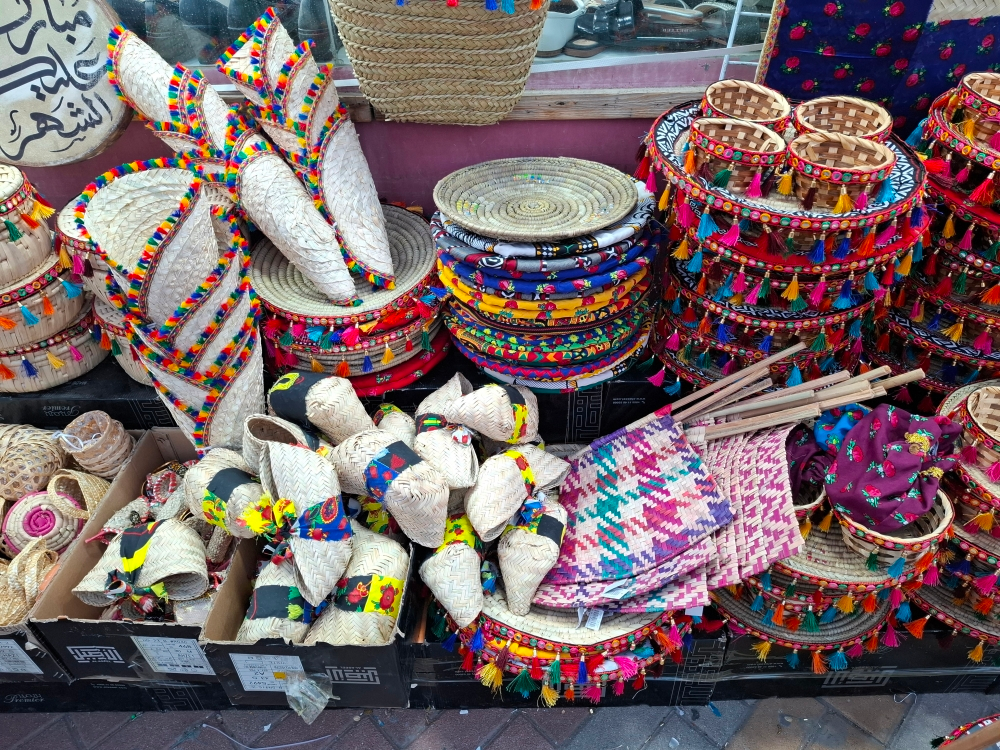
Field visits to Saudi markets revealed a significant surge in sales of Ramadan-related items. Stores were bustling with shoppers seeking to add aesthetic and spiritual touches to their homes and mosques. Retailers like Rashid Madaj confirmed that the markets were fully prepared to meet the increased demand, offering a wide variety of products that blend tradition and modernity. He explained that the offerings included traditional lanterns, prayer rugs, prayer beads, and copies of the Quran, alongside modern decorations, catering to all tastes within the community.
For his part, vendor Abdullah Abdul Wahab noted that preparations begin early with the provision of a comprehensive selection of decorative items and ornaments in various designs. These include lanterns, stickers, lighting fixtures, and decorative pieces that add a Ramadan touch to living rooms, confirming a good turnout and consistent demand for these products.
Social importance and impact that transcends borders
The phenomenon of decorating homes during Ramadan transcends its material aspect, touching upon profound social and psychological dimensions. Citizen Madi Al-Hajri describes these rituals as an "annual, inherited tradition" that begins with decorating homes and creating a welcoming atmosphere for children, making everyone feel as if Ramadan is an "early Eid." He emphasized that the most beautiful aspect of the holy month is the family gathering around the Iftar table, as it is a precious opportunity to meet loved ones and renew bonds of affection.
This tradition is not limited to the Kingdom; it represents a regional and global phenomenon. Across the Middle East and North Africa, similar decorations are used to celebrate, reinforcing a shared cultural identity. Muslim communities around the world also strive to revive this tradition, using decorations to connect new generations to their religious and cultural heritage and foster a sense of belonging in their adopted countries.
The spirit of giving and community solidarity
This season sees a prominent role for charitable organizations and philanthropists, who readily purchase large quantities of Ramadan supplies to furnish mosques and distribute them to needy families. This remarkable generosity embodies the spirit of giving and solidarity that characterizes Saudi society, transforming the act of purchasing into a charitable deed that amplifies the joy of the holy month. Decorating mosques not only adds visual beauty but also creates a spiritually comforting environment for worshippers and deepens the sense of community unity.
In conclusion, citizens emphasize that these simple details, from the different colors and shapes of the decorations, instill a sense of joy and optimism. They are not merely decorations, but rather an expression of anticipation for the arrival of the month of mercy, and a constant reminder of the need to welcome it with a spirit of brotherhood, love, and kindness—values whose impact is deeper and more lasting than any material adornment.