The Arab art scene and its audience are gearing up for the 2026 Ramadan drama season, which promises to be one of the most vibrant and diverse, with all eyes on the fierce competition across television screens and digital platforms. Gulf dramas are making a strong showing this year, announcing a massive program lineup in terms of both production and artistry, spearheaded by three of the screen's most prominent stars: Huda Hussein, Elham Al-Fadala, and Elham Ali, who are entering the race with highly anticipated works that promise to cater to the diverse tastes of Arab viewers.
Background and importance of Ramadan competition
The holy month of Ramadan has always been the peak of television production in the Arab world, with channels and platforms vying to showcase their best offerings to attract the largest possible audience. Historically, Egyptian dramas have dominated this season, but recent years have witnessed a remarkable rise in Gulf dramas, particularly Saudi and Kuwaiti productions, which have become major players thanks to their large-scale productions, bold scripts, and broad fan base. The 2026 season reflects this evolution, as the competition is no longer limited to attracting local viewers but has extended to the wider Arab audience from the Atlantic to the Gulf, raising expectations and enhancing the cultural soft power of these productions.
Star power struggles: Three female forces take center stage
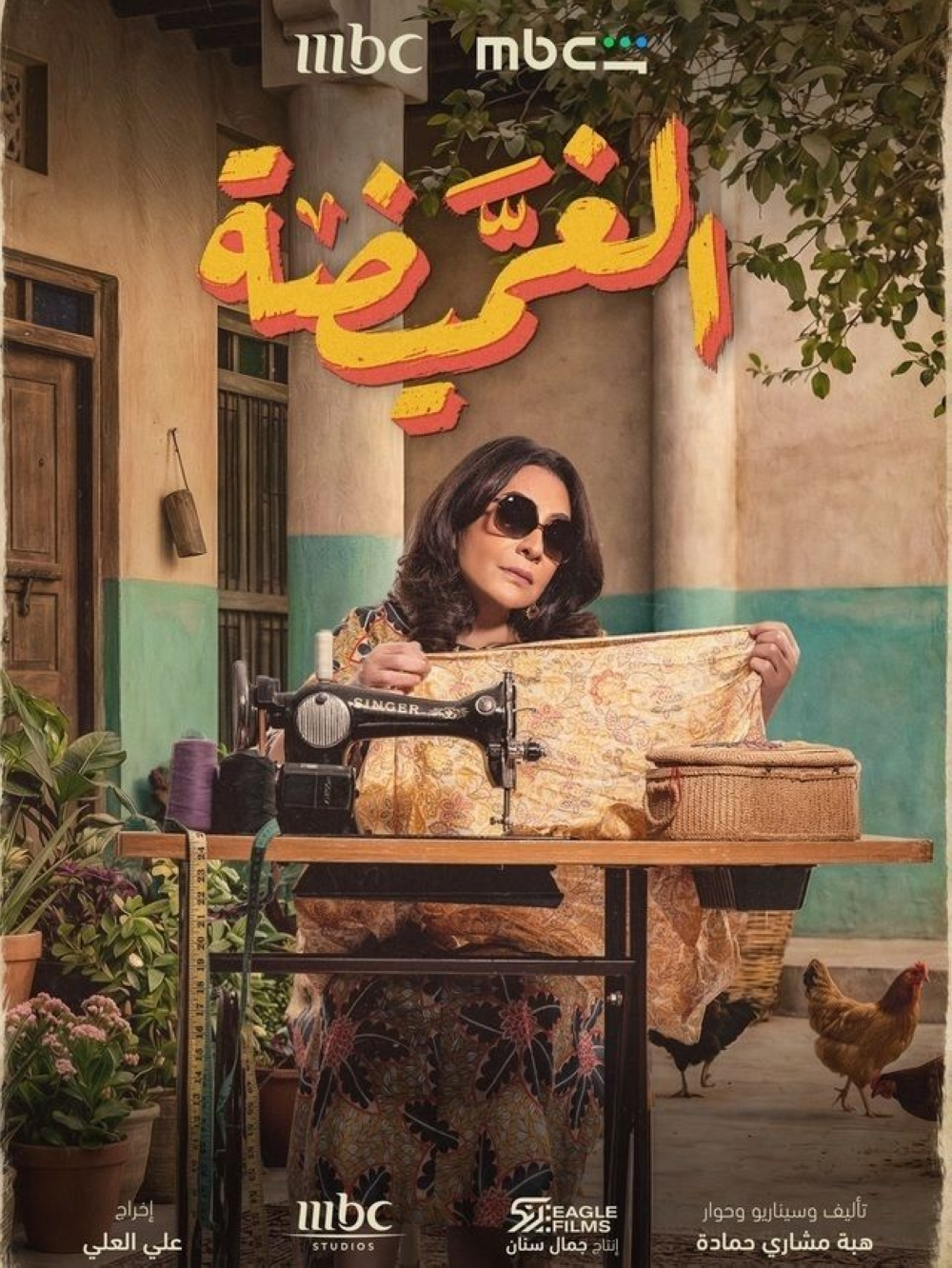
At the heart of this competition, three major stars stand out with works that vary in theme and time period. The esteemed actress Huda Hussein after a hiatus with the series "Al-Ghamida" (The Blindfold), which airs on MBC and the Shahid platform. The series delves into the 1970s through the story of a blind mother (played by Hussein with a complex performance) who faces exploitation of her disability by her daughters. The series unfolds within a compelling tragic framework and features prominent stars such as Abdulrahman Al-Aql and Fatima Al-Safi, making it one of the most anticipated productions.
In contrast, actress Elham Al-Fadala the 1980s with the series "Ghalat Banat" (Girls' Mistakes), which presents a bold, feminist perspective on social conflicts. The work focuses on the psychological pressures and complex relationships women face through the story of the Fadila and Fawaz families, with Jamal Al-Radhan also appearing, tackling sensitive social issues in an unconventional style.
Saudi star Elham Ali the competition strongly with the second season of the series "Al-A'sha Street," capitalizing on the immense popular success of the first season. The series continues its exploration of social life in Riyadh neighborhoods during the late 1970s and 1980s, following the journey of the "Abu Ibrahim" family. Her husband, actor Khaled Saqr, co-stars in the series.
A diverse range of genres enriches the screen: from comedy to historical epics
The competition isn't limited to social dramas; comedy is also a strong contender. Star Ibrahim Al-Hajjaj in the second season of "A Married Man's Diary," taking viewers on a journey through the humorous aspects of his married life. Meanwhile, "Shabab Al-Bomb 14" continues its run as one of the most successful and popular comedies, with Faisal Al-Essa and his colleagues addressing issues facing Saudi youth in a modern and straightforward manner.
History takes us back to distant eras with the Saudi epic "Kahilan," set in the Najd desert around 1700 AD, documenting the power struggles and influence battles within the tribes. On the heritage front, artist Zahra Arafat revives Kuwait in the 1950s and 60s through the Bedouin drama "Umm Raja," which highlights authentic customs and traditions.
Expected impact and presence of Egyptian drama
This surge in production is expected to have a significant impact on the industry, not only in raising artistic and technical standards but also in solidifying the position of Gulf drama as a regional powerhouse. Digital platforms also play a pivotal role in delivering these works to a global audience, transcending the boundaries of traditional television broadcasting.
On the Egyptian front, the competition continues with strong productions, most notably the series "We Forget What Was," starring Yasmine Abdel Aziz and Karim Fahmy in a romantic social drama. Asser Yassin and Dina El Sherbiny an intense performance in the 15-episode series "Two Others," while Mustafa Shaaban in a new and enigmatic role in the series "Darsh," guaranteeing Arab viewers a comprehensive and diverse dramatic offering for Ramadan 2026.