Preparations at Al Majmaah Observatory to observe the crescent moon of Ramadan 1447
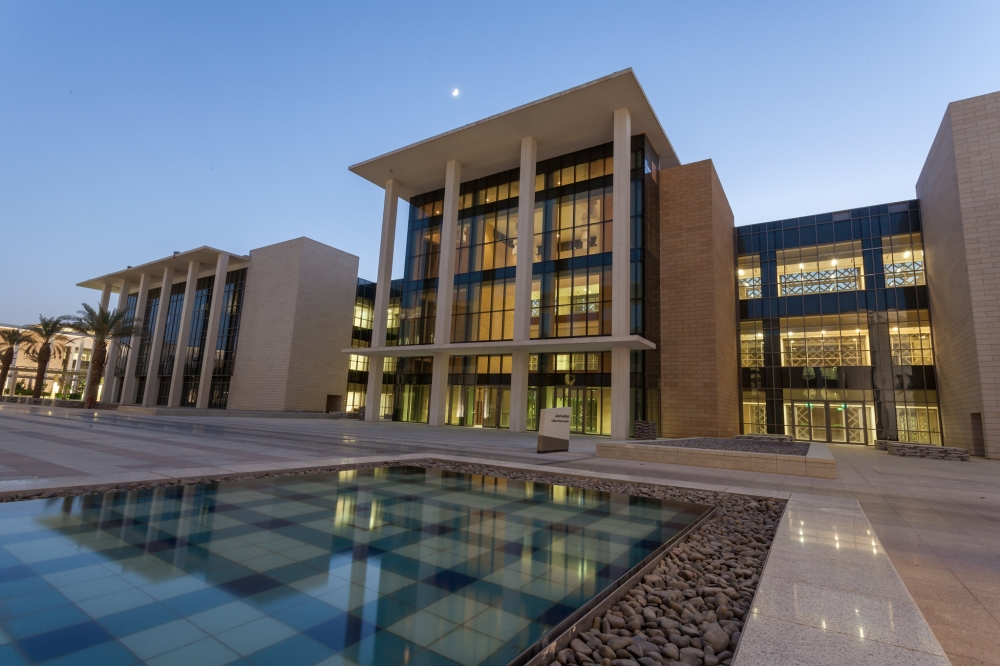
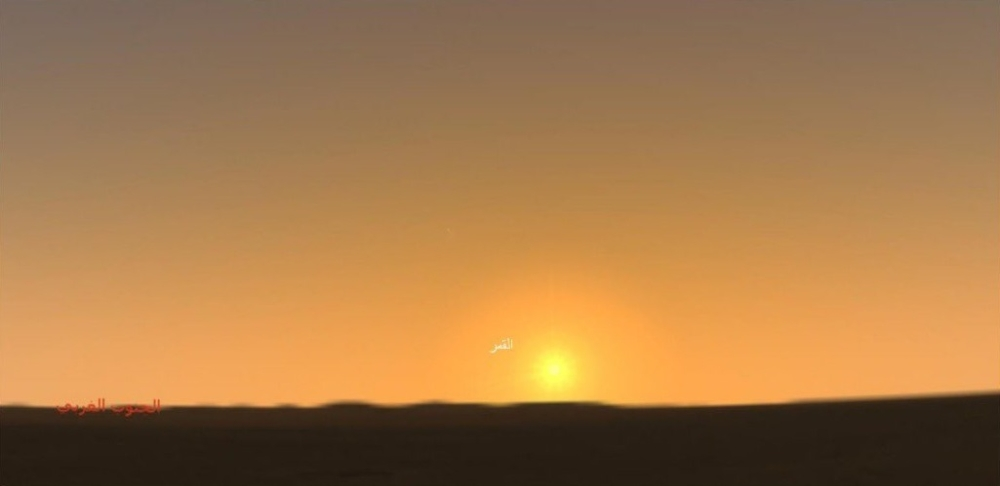
The Al-Majmaah University Astronomical Observatory in Hawtat Sudair announced its readiness and full preparations to observe the crescent moon of Ramadan 1447 AH, on the evening of Tuesday, the 29th of Sha'ban 1447 AH (February 17, 2026). The observatory revealed precise calculations for the crescent, indicating that sighting it will be extremely difficult, as the crescent will remain visible on the horizon for only two minutes after sunset, making it a significant challenge for observers using the naked eye and telescopes.
Detailed astronomical calculations
According to data from the observatory, the central conjunction (astronomical new moon) will occur at 3:03 PM Riyadh time on the day of the observation. Regarding sunset times at key locations, the sun will set in Mecca at 6:19 PM, followed by the crescent moon at 6:23 PM. At the observatory's location in Hawtat Sudair, the sun will set at 5:52 PM at an azimuth of 257 degrees, and the crescent moon will set just two minutes later at 5:54 PM at an azimuth of 256 degrees. These figures indicate that the crescent moon's altitude above the horizon at sunset will be only half a degree, with an elongation of 1.61 degrees, astronomical conditions that make visibility virtually impossible.
The importance of sighting the new moon in Islam: between science and tradition
The sighting of the crescent moon of Ramadan holds a special place in the hearts of Muslims worldwide, as it marks the beginning of the month of fasting and worship. The process of determining the start of the Islamic months relies on the principle of sighting the crescent moon, based on the Prophetic traditions (Hadith). With scientific advancements, astronomy has come to play a crucial and supportive role in this process. Advanced astronomical observatories, such as the Al-Majma'ah Observatory, provide precise calculations that help the moon-sighting committees determine the crescent's position and the time of its appearance on the horizon, thus guiding observation efforts and increasing their accuracy. The Kingdom of Saudi Arabia combines both methods, relying on the traditional sighting with the naked eye while also utilizing reliable astronomical data.
The local and international impact of the crescent sighting announcement
The announcement of the start of Ramadan in Saudi Arabia is followed widely both locally and internationally. Locally, families and communities eagerly await the official announcement from the Supreme Court to begin fasting and prepare for the religious and social rituals associated with the holy month. Internationally, many Islamic countries and Muslim communities around the world follow the Kingdom's announcement, given its religious significance and the presence of the Two Holy Mosques within its borders. This makes the sighting of the new moon in Hawtat Sudair and other locations in the Kingdom an event of global importance, as it contributes to unifying the start of fasting for millions of Muslims and strengthens the bonds of Islamic brotherhood.