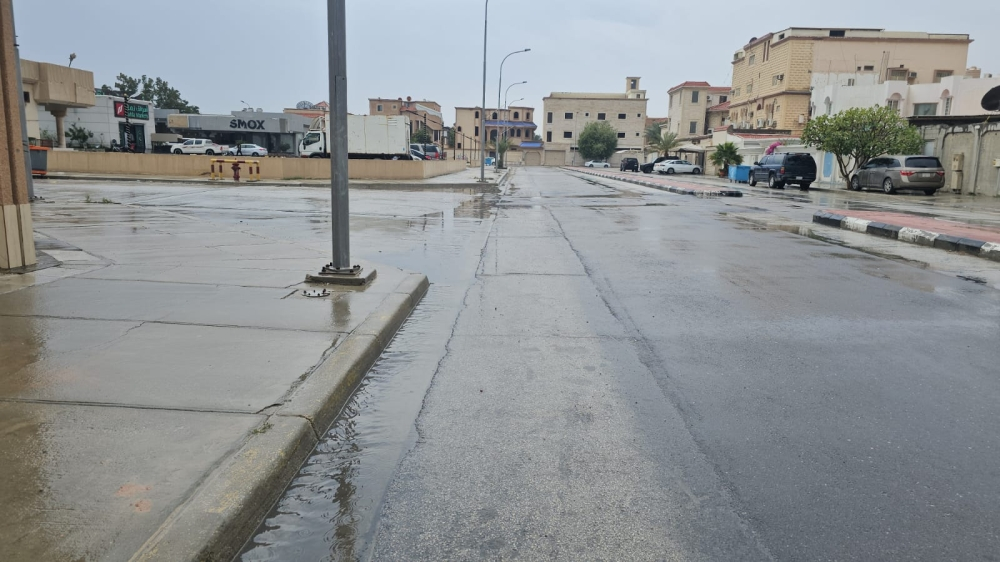
The southwestern parts of Saudi Arabia experienced significant weather fluctuations in recent hours, with scattered rainfall ranging from light to moderate. This rainfall coincided with the formation of dense fog over the Al-Baha region , leading to near-zero horizontal visibility, particularly in the rugged terrain of the Sarawat Mountains. This rainy and foggy weather created a distinctly wintry atmosphere in the region, prompting authorities to issue repeated warnings urging caution, especially for drivers on the area's mountain roads and sharp bends, to ensure everyone's safety and prevent traffic accidents.
The nature of the mountain climate and the history of rainfall in the Sarawat Mountains
The southwestern highlands of Saudi Arabia, particularly the Sarawat Mountains, are known for their unique geography and climate, setting them apart from other regions. Historically, these highlands have been among the most rainy areas throughout the year, thanks to their high altitude and strategic location facing moist winds from the Red Sea. The phenomenon of low clouds embracing the mountain peaks is a familiar sight to both residents and visitors. During these periods, cumulonimbus clouds form, directly contributing to rainfall and fog formation, which in turn enhances the dense vegetation and natural forests that characterize these mountains, making them a vital green lung.
Geographical scope of the impact of rain and dense fog on the Al-Baha region
The effects of the current weather system have extended to a wide and scattered geographical area of Al-Baha city and its surrounding suburbs. The rainfall and dense fog were not limited to Al-Baha as the administrative capital, but also affected parts of vital governorates such as Bani Hassan, Al-Qura, Al-Mandaq, Qalwa, and Ghamid Al-Zanad, in addition to all their affiliated centers and villages. This rainy and foggy weather blanketed many of the natural parks and tourist sites for which the region is renowned. As a result of these continuous rains, several main and secondary valleys and streams have flowed, and the land has been saturated with fresh water—a scene that inspires optimism among residents and farmers for a bountiful agricultural season and abundant growth of the natural pastures upon which livestock depend.
The environmental and tourism impact of weather fluctuations locally and regionally
These climatic changes and seasonal rains are of paramount importance and have a profoundly positive impact on several levels. Locally, the continuous rainfall contributes to raising the water levels in dams and replenishing groundwater reservoirs, directly supporting the agricultural sector upon which a large portion of the region's population depends for cultivating popular seasonal crops such as pomegranates, grapes, and almonds. Regionally and nationally, this cool and rainy climate enhances the region's position as a leading tourist destination within Saudi Arabia's growing tourism initiatives. It attracts thousands of visitors and tourists seeking a temperate climate and stunning natural scenery, whether to escape the summer heat of other regions or to enjoy the enchanting winter atmosphere. Furthermore, the continued flow of wadis and streams contributes to preserving the unique biodiversity and sustainability of the ecosystems that characterize the Kingdom's mountainous environment.