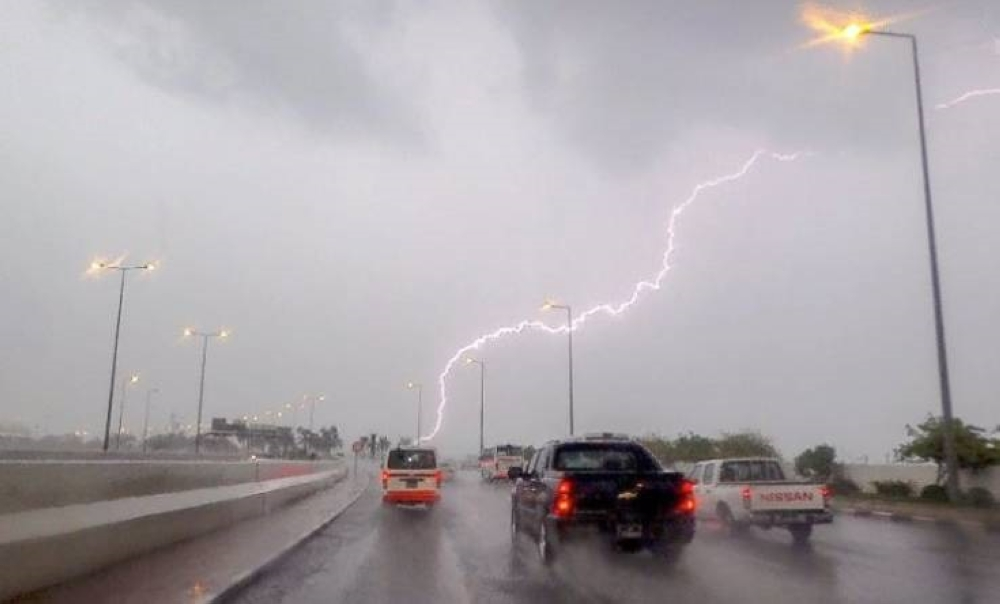
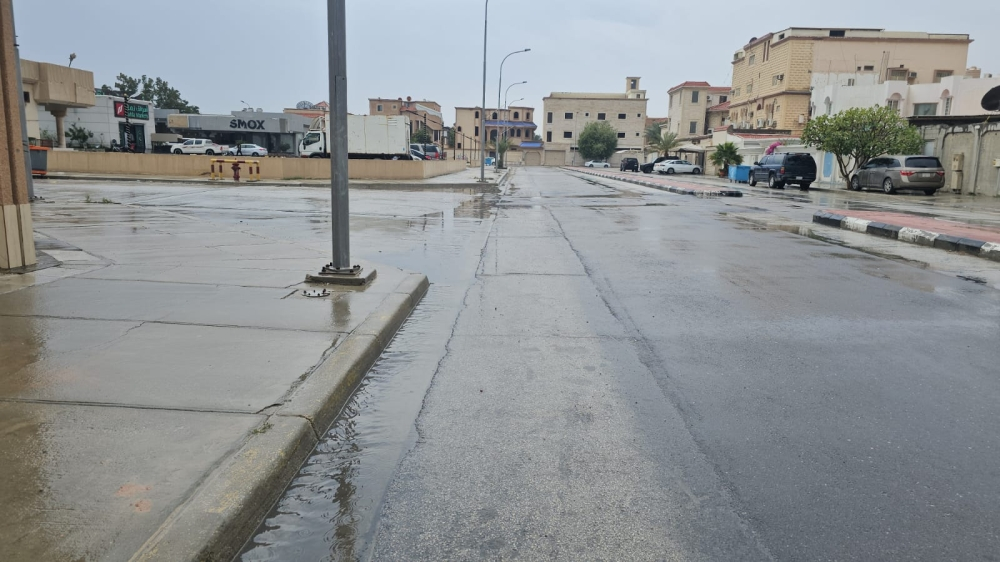
The Al-Jawf region experienced unstable weather conditions this evening, with light to moderate rainfall affecting the governorates of Qurayyat and Tabarjal, as well as several surrounding towns and villages. This rainfall coincides with weather reports indicating that the northern regions of the Kingdom are being affected by a weather system requiring attention.
The National Center for Meteorology had issued advanced warnings about the expected weather conditions, indicating the possibility of heavy rainfall that could lead to flash floods, accompanied by hail and strong winds that would stir up dust and sand. These forecasts cover large parts of the Northern Borders, Al-Jawf, Tabuk, and the northern parts of the Madinah region, which may cause reduced or zero horizontal visibility on some highways and in open areas.
Agricultural and geographical importance of rainfall in Al-Jawf
Rainfall in the Al-Jawf region is of paramount strategic and economic importance, given the region's status as a major "breadbasket" for the Kingdom. Al-Jawf is renowned as the olive capital of Saudi Arabia, boasting millions of olive trees, in addition to date palm, wheat, and fruit orchards. This seasonal rainfall contributes to irrigating winter crops, washing away salts from the soil, and playing a vital role in replenishing groundwater reserves, upon which agriculture in the region heavily depends.
The nature of the climate in the north of the Kingdom
The northern regions of Saudi Arabia, including Al-Jawf, Al-Qurayyat, and Tabuk, have a climate that differs somewhat from the rest of the Kingdom, as they are directly affected by weather systems originating from the Mediterranean Sea and the Levant. Winter and the transitional periods (autumn and spring) typically witness sharp weather fluctuations, ranging from severe cold waves to rainfall that can sometimes be heavy, making it essential for residents of these areas and travelers on their international roads to follow weather forecasts.
Safety guidelines and how to deal with weather conditions
Given these volatile weather conditions, the relevant authorities, especially the Civil Defense, emphasize the need for caution. Citizens and residents are advised to stay away from floodplains and wadis, and not to attempt to cross them while they are flowing, no matter how low the water level may seem. Drivers on the highways connecting Qurayyat, Tabuk, and other northern cities should also be cautious due to the possibility of reduced visibility caused by dust or fog associated with the rain, and should adhere to speed limits to ensure everyone's safety.