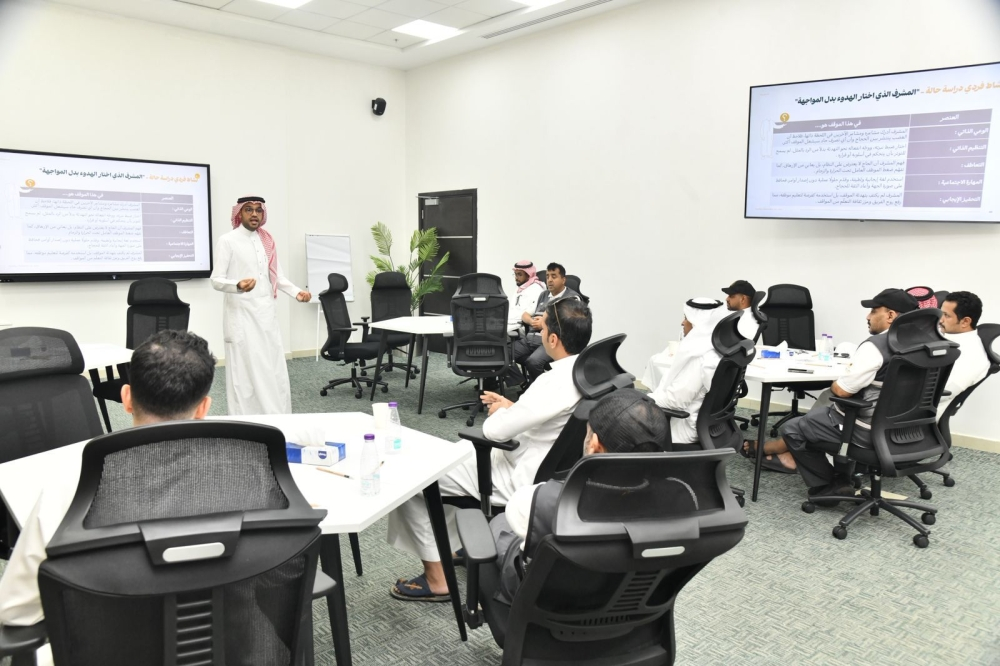
في خطوة استراتيجية تهدف إلى الارتقاء بمنظومة الخدمات المقدمة لضيوف الرحمن، دشنت مبادرة «رافد الحرمين» أعمالها للعام الثالث على التوالي، مطلقة حزمة من البرامج التدريبية المتخصصة التي تستهدف تأهيل 320 مراقباً ميدانياً. وتأتي هذه الخطوة ثمرة للشراكة الاستراتيجية الفاعلة بين جامعة أم القرى ووزارة الحج والعمرة، سعياً لرفع كفاءة الكوادر البشرية العاملة في مواسم الحج والعمرة، بما يضمن تقديم خدمات نوعية تليق بمكانة المملكة وقاصدي الحرمين الشريفين.
وركزت المبادرة في نسختها الحالية على صقل مهارات المراقبين في جوانب محورية دقيقة، تشمل فنون خدمة العملاء، وآليات التواصل الفعال مع مختلف الثقافات، إضافة إلى إدارة المواقف الميدانية الطارئة واحتواء الأزمات. وتهدف هذه البرامج المكثفة إلى ضمان تقديم تجربة استثنائية للحجاج والمعتمرين تتسم بالاحترافية العالية والمرونة في التعامل، مما يسهم في تيسير أداء المناسك بكل يسر وطمأنينة.
مواكبة مستهدفات رؤية المملكة 2030
وتكتسب هذه المبادرة أهمية خاصة في ظل السياق العام لتوجهات المملكة العربية السعودية نحو تطوير قطاع الحج والعمرة، حيث تسعى جامعة أم القرى من خلال معهد البحوث والدراسات الاستشارية إلى تحويل الخبرات الأكاديمية النظرية إلى ممارسات عملية تخدم القطاع الميداني. ويتماشى هذا التوجه بشكل مباشر مع مستهدفات رؤية المملكة 2030، وتحديداً برنامج خدمة ضيوف الرحمن، الذي يرمي إلى إثراء التجربة الدينية والثقافية للحجاج والمعتمرين، والوصول إلى استقبال 30 مليون معتمر بحلول عام 2030، وهو ما يتطلب بنية تحتية بشرية مؤهلة تأهيلاً عالياً.
وأكد القائمون على البرنامج أن هذه الدورات تمثل امتداداً لسلسلة من الجهود الوطنية الرامية لبناء رأس مال بشري سعودي مؤهل، قادر على التعامل مع الكثافات البشرية المليونية والتحديات الميدانية التي يشهدها الحرمان الشريفان والمشاعر المقدسة بكفاءة واقتدار. ويعد الاستثمار في العنصر البشري الركيزة الأساسية لنجاح مواسم الحج، حيث يعتبر المراقب الميداني حلقة الوصل الأولى لضمان جودة الخدمات والرقابة على أدائها.
شراكات استراتيجية وتكامل بين القطاعات
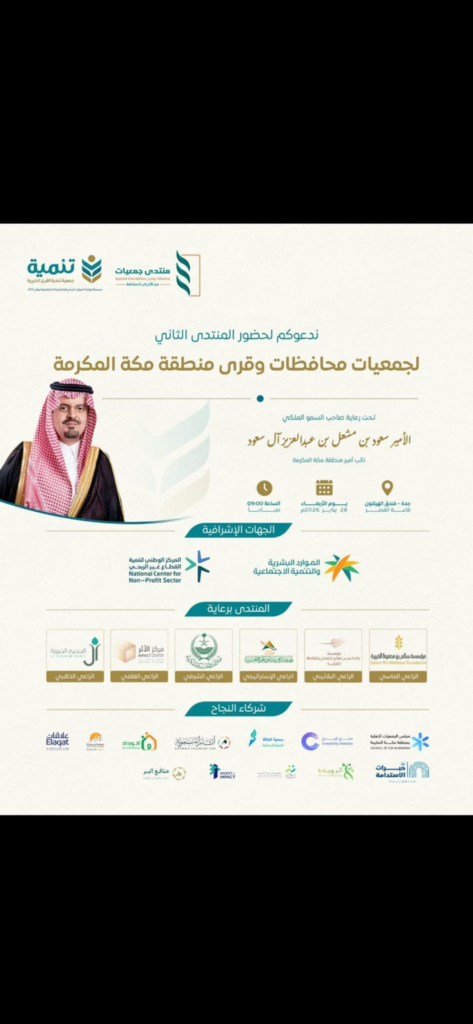
وتحظى النسخة الحالية بدعم تحالف واسع من الشركاء الاستراتيجيين، يضم شركة الراجحي التجارية، وجمعية وفود الحرم، والمجلس التنسيقي لحجاج الداخل، ومؤسسة جائزة الأميرة صيتة بنت عبدالعزيز للتميز في العمل الاجتماعي. ويعزز هذا التحالف من استدامة المبادرة وتوسع نطاق تأثيرها المجتمعي والمهني، مرسخاً مفهوم التكامل بين القطاعين الحكومي والخاص والقطاع الثالث (غير الربحي).
وعلى الصعيد الدولي والإقليمي، يعكس هذا الاهتمام بتأهيل المراقبين الصورة المشرقة لجهود المملكة في خدمة الحرمين الشريفين، ويؤكد التزامها بتقديم أرقى معايير الجودة والسلامة لقاصدي البيت الحرام من شتى بقاع الأرض. إن خلق بيئة عمل تكاملية تضمن انسيابية الخدمات لا يقتصر أثره على الداخل فحسب، بل يبعث رسالة طمأنينة للعالم الإسلامي بأسره حول جاهزية المملكة الدائمة لخدمة ضيوف الرحمن بأعلى معايير الاحترافية.