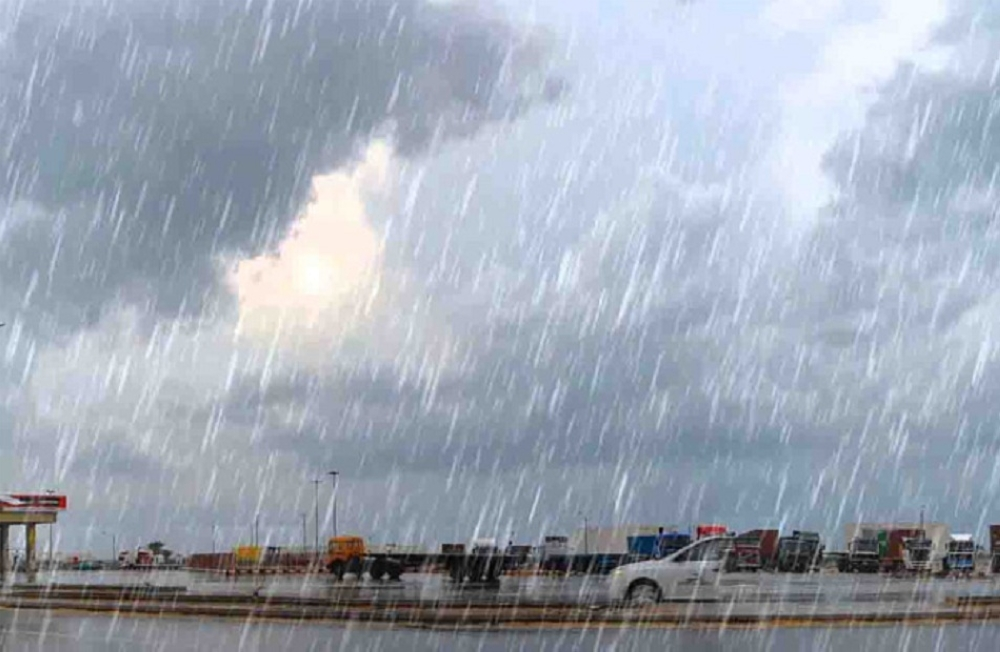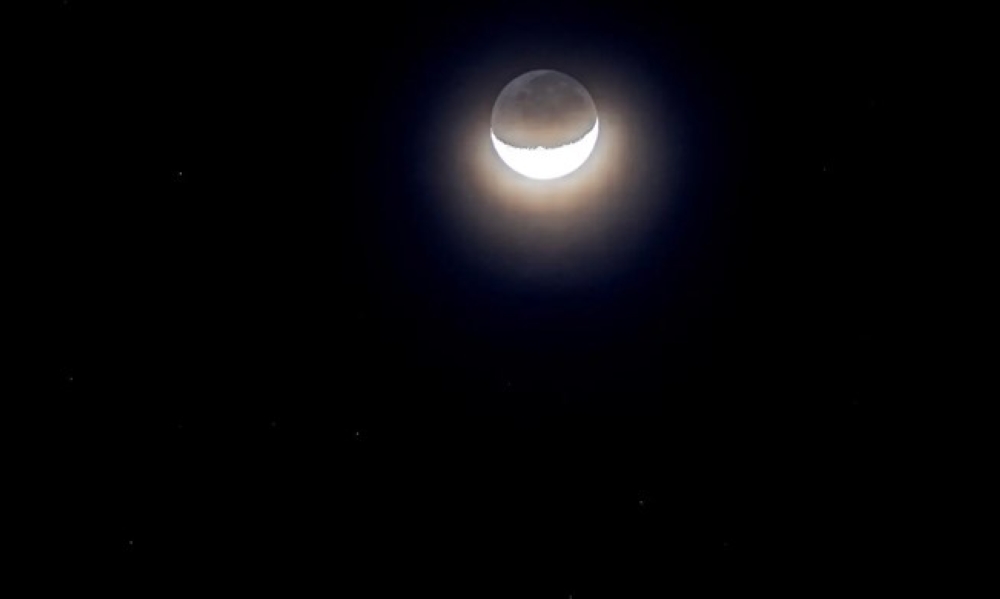
The skies of Saudi Arabia are preparing to witness a remarkable astronomical event tonight: the conjunction of the Pleiades star cluster with the moon. This phenomenon, known in both popular and astronomical tradition as the fifth conjunction , is considered one of the most important seasonal signs closely linked to the beginning of the second month of spring. It coincides with noticeable weather shifts and climatic changes that affect the natural environment, including a significant increase in the growth of wild plants and the larger size of truffles, locally known as "faq'a," during this time of year.
The historical roots of the phenomenon of fifth marriage among the Arabs
the fifth conjunction of the Pleiades has long been associated with a rich history of astronomical observation in the Arabian Peninsula. In the past, before technological advancements and the advent of weather satellites, Arabs and Bedouin tribes relied primarily on the movement of stars and the phases of the moon to determine the seasons and the timing of planting and grazing. The conjunction of the Pleiades with the moon was not merely an aesthetic spectacle in the sky, but also served as a precise natural calendar. Ancient Arabs composed numerous proverbs and poems describing these conjunctions, linking each one to specific changes in temperature, wind patterns, and rainfall, reflecting a profound and early understanding of astronomy and its direct connection to the surrounding environment.
Fifth Spring of Tamis: Significance of the Name and Date
In this context, Professor Mohammed Anad Al-Hazimi, a member of the Astronomy and Space Club, explained that this astronomical conjunction is known in the rich folk tradition as “the fifth of Rabi’ Tamis.” This name clearly signifies improved weather conditions and generally moderate temperatures. Al-Hazimi pointed out that Tuesday, March 24, 2026 (corresponding to Shawwal 5, 1447 AH), will mark the actual beginning of the fifth conjunction phenomenon, a date considered by Bedouin people and farmers as a strong indicator that spring has reached its peak and beauty.
Climatic and environmental impacts at the local and regional levels
This phenomenon holds significant importance that extends beyond mere astronomical observation, reaching tangible impacts on both local and regional levels. Al-Hazimi explained that this conjunction lasts for approximately 27 days, during which the atmosphere witnesses noticeable climatic shifts that directly contribute to the density of wild plants and the flourishing of vegetation covering the deserts and plains. Regionally, this period is crucial for farmers and livestock breeders, as it provides fertile pastures and supports food security for livestock. Furthermore, this timing coincides with the final weeks of the truffle harvest season in several regions of the Kingdom, positively impacting local economic activity in the traditional markets that thrive on trading these seasonal products.
The importance of continuing to monitor astronomical phenomena
In conclusion, the conjunction of the Pleiades with the Moon is an astronomical phenomenon that has garnered the attention of Arabs both in ancient and modern times. Despite the tremendous scientific advancements in meteorology and astronomy, this phenomenon continues to attract widespread interest from those interested in space science and folklore to this day, as it serves as an accurate natural indicator of the beginning of a new climatic phase and a bridge connecting the wisdom of our ancestors in interpreting the heavens with modern science.