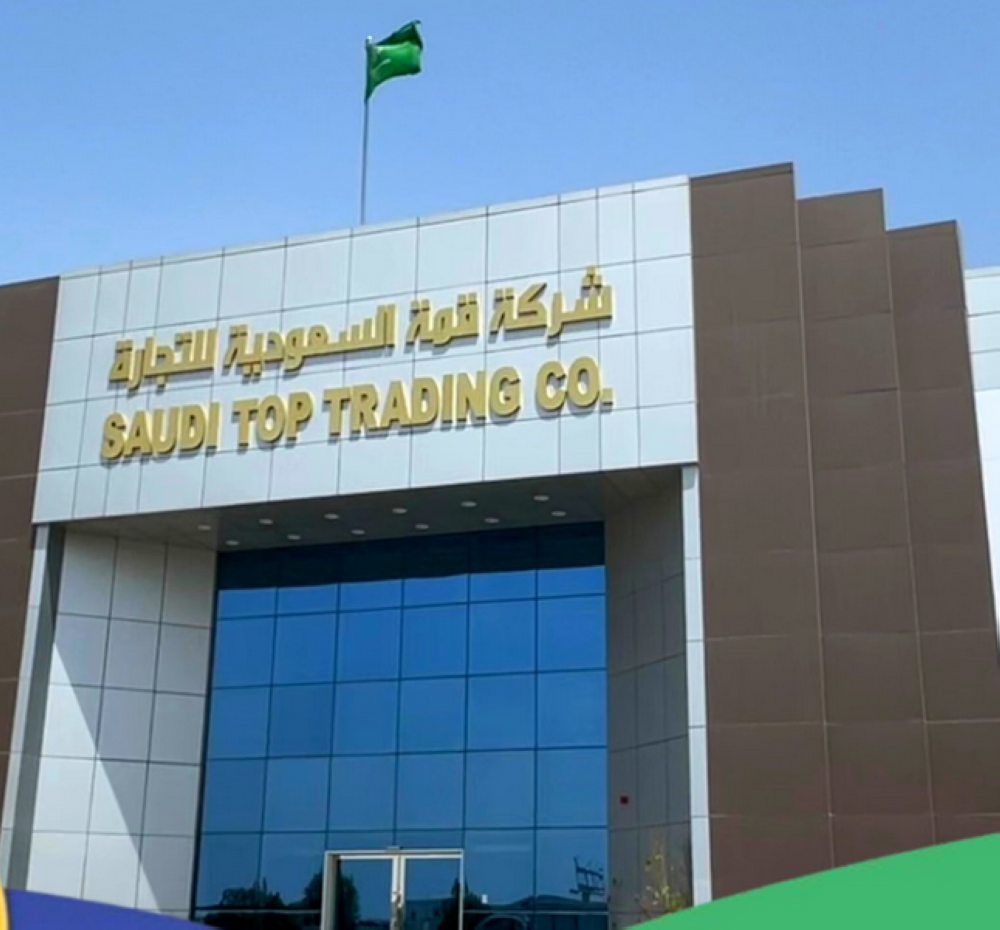
The Board of Directors of Qimmat Saudi Trading Company announced its recommendation to transfer the entire balance of the statutory reserve to retained earnings, in a move aimed at strengthening the company's financial position and increasing its financial flexibility. This decision is based on the audited financial statements for the fiscal year ending December 31, 2024, as well as the preliminary financial statements for the period ending September 30, 2025.
Financial Recommendation Details
In an official statement published on the Saudi Stock Exchange (Tadawul) website, the company clarified that the targeted amount for transfer is SAR 5,717,534. This figure represents the entire accumulated balance in the company's statutory reserve. This recommendation is part of the company's strategy to restructure its equity in a way that serves the interests of shareholders and provides them with broader options for managing cash flow and distributable profits.
Regulatory and legal context
This step aligns with recent amendments to the new Saudi Companies Law, which grants joint-stock companies greater flexibility in managing statutory reserves. While the previous system required companies to set aside a specific percentage of profits annually until the reserve reached a certain percentage of capital, the new regulations allow company general assemblies—based on a recommendation from the board of directors—to decide whether to convert these reserves into retained earnings. This reflects the evolving legislative environment in the Kingdom to support the business sector.
Economic importance and impact of the decision
This decision carries positive economic implications for both shareholders and investors, as converting statutory reserves into retained earnings typically aims to achieve several strategic objectives, including:
- Enhancing the ability to distribute profits: Retained earnings are the basic stock from which cash dividends are distributed to shareholders, and therefore increasing this item raises the company’s ability to approve future distributions.
- Offsetting accumulated losses (if any): In some financial cases, companies use this mechanism to address any past losses and clean up the balance sheet.
- Supporting investment expansions: Providing accounting liquidity that gives the company greater freedom to reinvest its funds without the restrictions imposed on statutory reserves.
Next steps
Saudi Summit Trading Company confirmed that this recommendation is not final, as it remains subject to approval by the General Assembly of Shareholders. The item is scheduled to be put to a vote during the next General Assembly meeting, the date of which will be announced later after obtaining the necessary approvals from the relevant authorities.