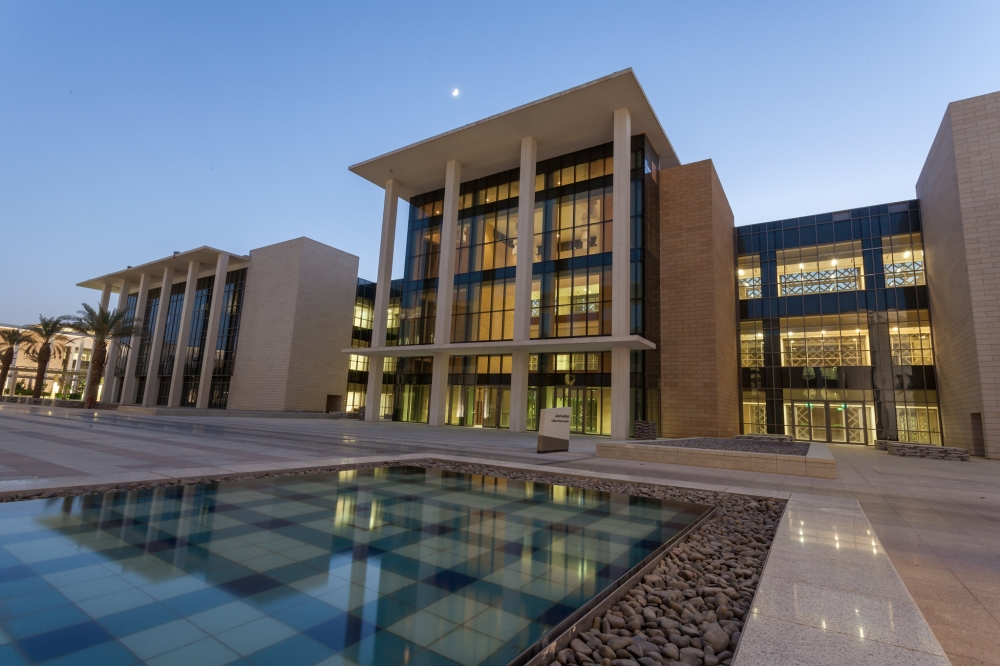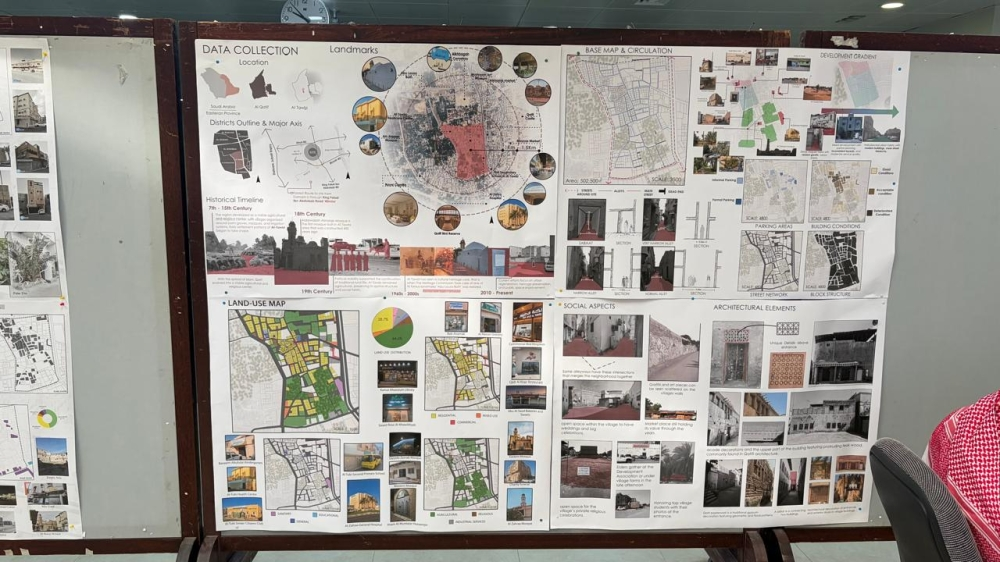
In a first-of-its-kind academic initiative, Imam Abdulrahman bin Faisal University announced the transformation of seven traditional villages in Qatif Governorate into “open laboratories” for urban study and documentation. This pioneering initiative aims to analyze the authentic urban fabric of these villages and develop their architectural identity through innovative design solutions that respect the unique characteristics of each location and meet the needs of the local community, in line with the goals of the Kingdom’s Vision 2030.
Historical background and architectural significance of Qatif
The Qatif region is one of the oldest inhabited areas in eastern Saudi Arabia, a historical oasis rich in agricultural and architectural heritage dating back thousands of years. The traditional urban fabric of Qatif villages is characterized by narrow, winding alleyways that provide shade and are adapted to the hot climate, and houses with courtyards that ensure privacy, built with local materials such as mud and sea stone. With waves of urban modernization, this unique architectural style has faced significant challenges, making documentation and preservation initiatives crucial for protecting the region's cultural identity.
Linking academia with society and Vision 2030
Dr. Badran Al-Zunaidi, Dean of the College of Architecture and Planning and Head of the Architecture Department at the university, explained that this initiative comes within the framework of the department's ongoing efforts to build a stimulating educational environment conducive to creativity. He emphasized that this approach aims to bridge the gap between university education and the needs of society, and to connect academic knowledge with the urban challenges facing Saudi cities. Al-Zunaidi pointed out that the project aligns directly with the objectives of the Kingdom's Vision 2030, particularly in terms of improving the quality of life, enhancing the urban identity of Saudi cities, and preserving their national heritage.
A qualitative shift from classrooms to the field
For his part, Dr. Yousef Al-Suhaimi, supervisor of the Urban Design Studio for fourth-year students, revealed that the course has undergone a qualitative shift over the past three years, moving from classrooms to fieldwork. He explained that transforming the villages of Anik, Al-Jaroudiya, Al-Bahari, Al-Jish, Al-Tubi, Hallat Mahish, and Umm Al-Hamam into living laboratories aims to enable students to interpret the authentic urban fabric and understand its spatial and social components. Students are trained in observation, measurement, analytical drawing, and mapmaking techniques, ultimately documenting the urban fabric and transforming it into a comprehensive knowledge base upon which sustainable design solutions with tangible social and economic impact can be built.
Expected impact and future dimensions
The impact of this project extends beyond the academic sphere to encompass broader societal and cultural dimensions. By documenting this architectural heritage, a scholarly archive is being created that can serve as a foundation for future development projects that respect the historical identity of the place. Furthermore, engaging students in understanding individual behaviors and community activities ensures that proposed design solutions align with the aspirations of the local community, guaranteeing their sustainability and acceptance. In the long term, this initiative can serve as a model for other regions of the Kingdom and contribute to the promotion of cultural tourism by revitalizing and restoring these unique historical villages.