Remarkable success for preventive health efforts in Qatif
The “Healthy Marriage” program in Qatif Governorate has achieved remarkable success, reflecting a growing community awareness of the importance of premarital screening. The latest statistics show that 85% of couples seeking genetic counseling have responded to these consultations, while 98% of marriages are found to be medically compatible. These figures strongly indicate the program's effectiveness in achieving its goals of building healthy families and a healthy society free from genetic and infectious diseases.
Historical context and national importance of the Healthy Marriage Program
The Kingdom of Saudi Arabia launched a premarital medical examination program and made it mandatory for all citizens in 1425 AH (2004 CE) as a strategic step in the field of public health. This decision came in response to the high prevalence of certain hereditary blood disorders, such as sickle cell anemia and thalassemia, whose spread is largely linked to the prevailing marriage patterns in society, particularly consanguineous marriage. The program primarily aims to reduce the transmission of these diseases to future generations and spare families the psychological, social, and financial burdens associated with caring for affected children.
Program objectives and diseases covered by screening
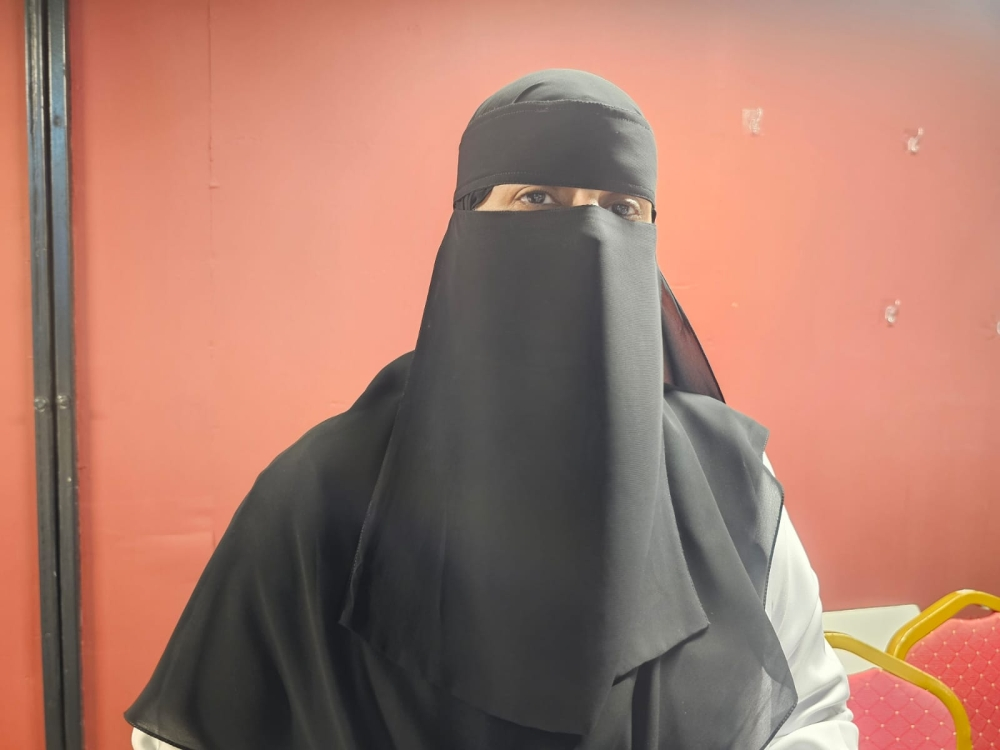
Dr. Rehab Al-Balushi, coordinator of the "Healthy Marriage" initiative at the Qatif Health Network, explained that the program is based on a fundamental goal: "a healthy family and healthy children." To achieve this, the screening includes two main categories of diseases:
- Hereditary blood disorders: These focus on detecting carriers of sickle cell anemia and thalassemia traits, which are the most common in the region.
- Infectious diseases: These include HIV/AIDS and hepatitis B and C. More recently, screening has been expanded to include syphilis, further strengthening preventative healthcare.
The role of genetic counseling in making informed decisions
When genetic incompatibility is discovered between partners, they are immediately referred to specialized counseling clinics. At these clinics, a qualified medical team provides the couple with a detailed explanation of the nature of the condition, the likelihood of having affected children, and the available options. The 85% response rate to counseling in Qatif is a significant achievement, indicating that the vast majority of incompatible couples choose not to proceed with marriage based on a scientific understanding and full awareness of the risks, thus directly contributing to a reduction in the number of affected births.
Local and regional impact of the program
At the local level, the program's success contributes to easing the burden on the healthcare system by reducing the need for costly blood transfusions and long-term treatments for patients. Regionally, the Kingdom's experience offers a pioneering model that neighboring countries with similar social and cultural characteristics can utilize in developing their preventative healthcare programs. This success, demonstrated by the participation of 25 volunteer healthcare professionals in the recent event, underscores the importance of concerted official and community efforts to achieve public health goals and the Kingdom's Vision 2030 in building a vibrant and healthy society.