A pioneering initiative to unite efforts in a noble humanitarian service
In a strategic move aimed at improving the quality of funeral services and standardizing their practices across the Kingdom of Saudi Arabia, the Al-Firdaws Association for Honoring the Deceased in Qatif Governorate and the Juwar Association in Al-Baha Region have developed a joint roadmap for exchanging expertise and establishing a unified operational framework. This significant collaboration transcends isolated regional efforts and establishes a new phase of institutional integration in a vital sector that impacts every family in society.
Cultural context and the importance of honoring the dead in the Kingdom
Honoring the deceased holds a high place in Islamic culture and Saudi society, as it is considered a communal obligation (fard kifayah), for which those who fulfill it are rewarded, while those who neglect it are considered sinful. Historically, this task was carried out voluntarily by residents and relatives. With social developments and urban expansion, the need arose to organize this humanitarian act within institutional frameworks that ensure efficiency, quality, respect for the deceased's dignity, and the provision of necessary support to their families. These initiatives align with the objectives of the Kingdom's Vision 2030, which encourages the development of the non-profit sector, enhances the efficiency of its services, and increases the number of professional volunteers.
A qualitative leap from volunteering to professionalism
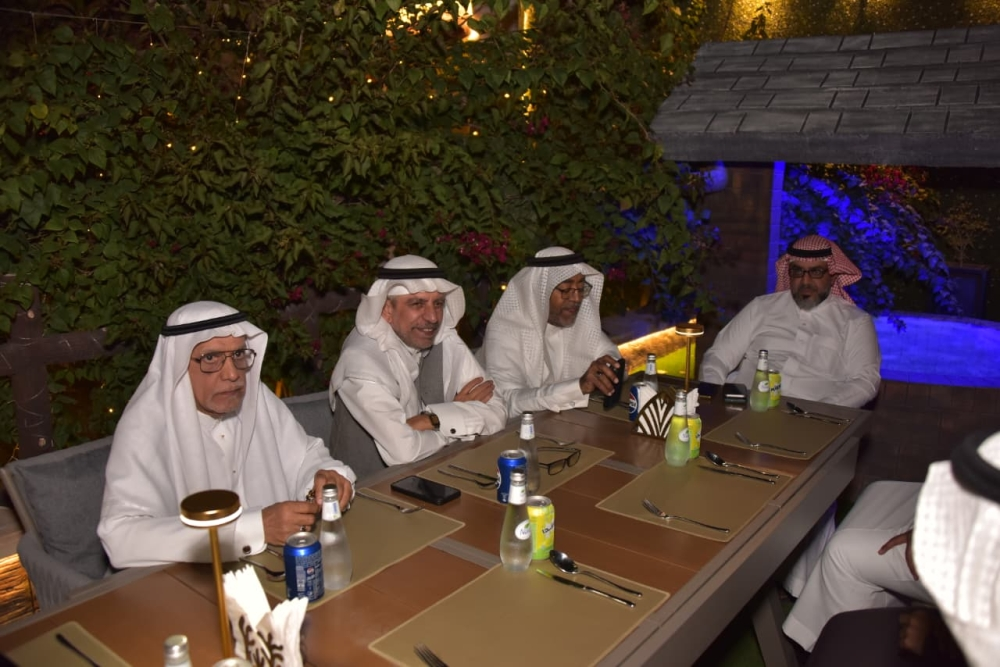
Al-Firdous Association hosted a delegation from Juwar Association to share its pioneering experience in transforming volunteer work into a professional and organized practice. Hafez Al-Faraj, Chairman of Al-Firdous Association, explained that this meeting represents the culmination of a new approach that rejects the isolation of associations and seeks to build a national coalition serving the entire Kingdom. During the meeting, Al-Firdous's experience in issuing 250 "Certified Practitioner" licenses, its plan to train more than 1,000 volunteers, and its schedule of 18 specialized training courses for 2026 were reviewed—figures that reflect the depth of institutional work the association has achieved.
Expected impact at both the local and national levels
This partnership is expected to have a tangible positive impact. Locally, the Al-Baha region will benefit from the organizational and administrative expertise of the Qatif governorate, accelerating the development of services there. Nationally, this initiative represents the foundation for establishing a unified national network for funeral services. This unification will ensure that citizens and residents across the Kingdom receive consistent, high-quality services and facilitate the transfer of remains between cities, as noted by Engineer Shafiq Al-Saif, who confirmed that the collaboration has already resulted in significant improvements in the transfer of remains between Riyadh and Qatif.
Praise and future plans
For his part, Saeed Musfir Al-Zahrani, Chairman of the Board of Directors of the “Jiwar” Association, expressed his deep admiration for the advanced organizational level he witnessed in Qatif, describing the experience as “heartwarming and inspiring for knowledge transfer.” He praised the presence of highly trained staff, strong administrative governance, and a close, integrated relationship with the municipality. Al-Zahrani added, “We are seriously looking forward to implementing this professional model in the Al-Baha region.” In turn, the Deputy Mayor for Services, Ali Al-Matroud, affirmed that the municipality supports and empowers the association to ensure the provision of services befitting the province's stature and the sacrifices of the volunteers, emphasizing the importance of these partnerships in improving the quality of life.