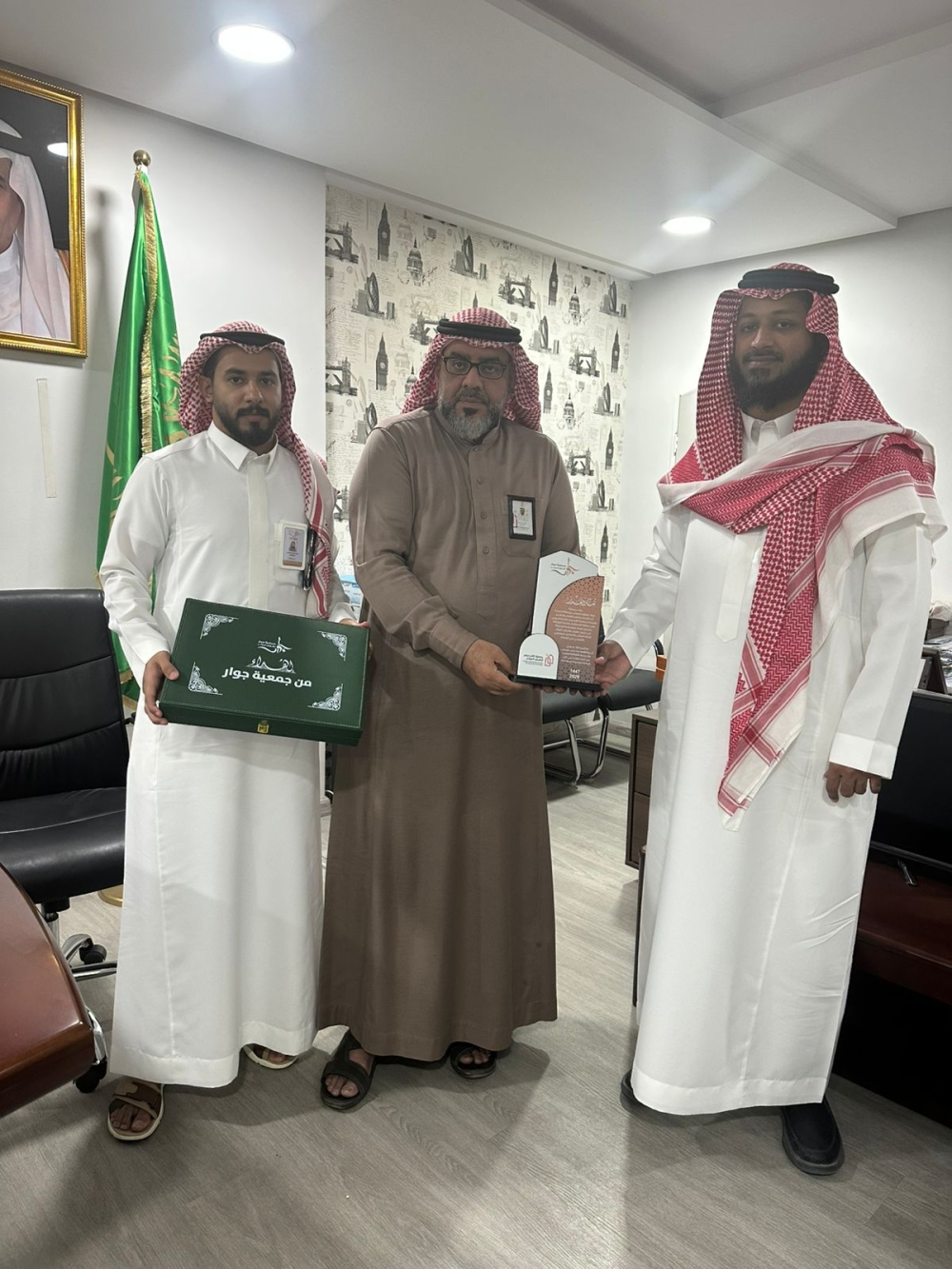
In a pioneering step aimed at strengthening integrated work within the non-profit sector in the Kingdom of Saudi Arabia, the Al-Firdaws Association for Funeral Services in Qatif Governorate and the Juwar Association for Funeral Services in Al-Baha Region signed a strategic cooperation agreement. This partnership aims to standardize work protocols and enhance the efficiency of services provided in the field of funeral affairs, ensuring comprehensive logistical and humanitarian support for the bereaved families according to the highest standards.
General context and importance of the initiative
This collaboration stems from the great importance Saudi society places on honoring the deceased and expediting their burial, a principle rooted in Islamic law. Historically, this responsibility fell to family members and the local community on a voluntary basis. However, with urban expansion and population growth, the need arose for specialized institutional entities to provide these services professionally and efficiently. Funeral service associations serve as a prime example of the development of civil society in the Kingdom, striving to offer comprehensive and organized services, from washing and shrouding to transportation and burial, thus alleviating the burden on families during times of grief. These initiatives align with the objectives of Saudi Vision 2030, which emphasizes empowering the non-profit sector to increase its contribution to community development.
Details of the agreement and its objectives
The agreement, signed at the headquarters of the Al-Firdaws Association in Qatif, was signed by its Chairman of the Board, Mr. Hafez Al-Faraj, and his counterpart at the Juwar Association in Al-Baha, Mr. Saeed Al-Zahrani. The partnership includes a unified coordination mechanism for transporting remains between the two regions, expediting burial procedures and ending the hardship faced by bereaved families in finding suitable transportation. Both parties also agreed to make all their respective service facilities available for mutual use when needed, aiming to maximize the utilization of available assets and minimize financial and operational waste.
Developing staff and exchanging experiences
To ensure the sustainability of service quality, the document stipulates the launch of joint training programs and workshops to qualify staff and volunteers in both organizations. This aims to standardize protocols for handling deaths and transfer professional knowledge between teams, thus ensuring the application of best practices. The agreement also includes the exchange of administrative and technical expertise to enhance institutional performance and guarantee the provision of high-quality services that respect the delicate legal and humanitarian aspects of dealing with the deceased and their families.
Expected impact at the local and national levels
This agreement is of particular importance as it represents a pioneering model of cooperation between non-profit organizations in different regions of the Kingdom. Locally, beneficiaries in Qatif and Al-Baha will experience a direct improvement in response times and service integration. Nationally, this alliance paves the way for building a comprehensive national network of funeral services, capable of efficiently covering the entire Kingdom. This institutional integration not only serves noble humanitarian goals but also enhances the maturity and sustainability of the non-profit sector, making it an active partner in achieving comprehensive social development.