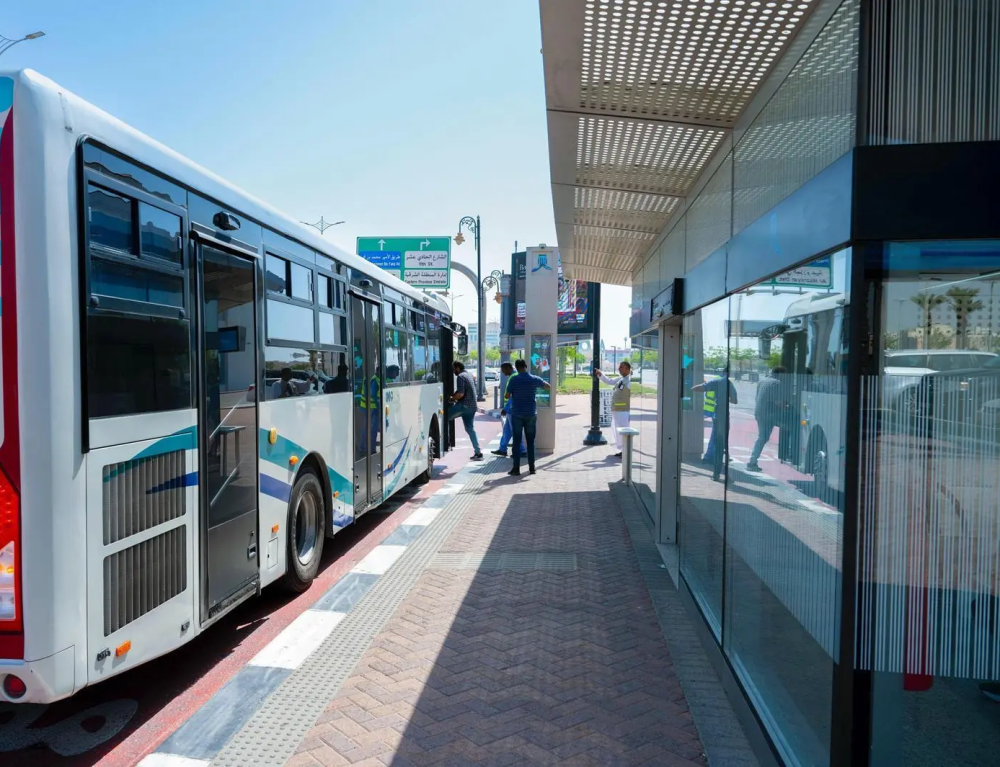
The Public Transport Authority in the Kingdom of Saudi Arabia announced new record numbers reflecting the rapid growth in the public transport sector, as the statistical bulletin issued by it today revealed that the total number of passengers who used public transport buses within Saudi cities and governorates exceeded 27.8 million passengers, during the fourth quarter of 2025 only.
Riyadh takes center stage, with Mecca and Jeddah at the forefront
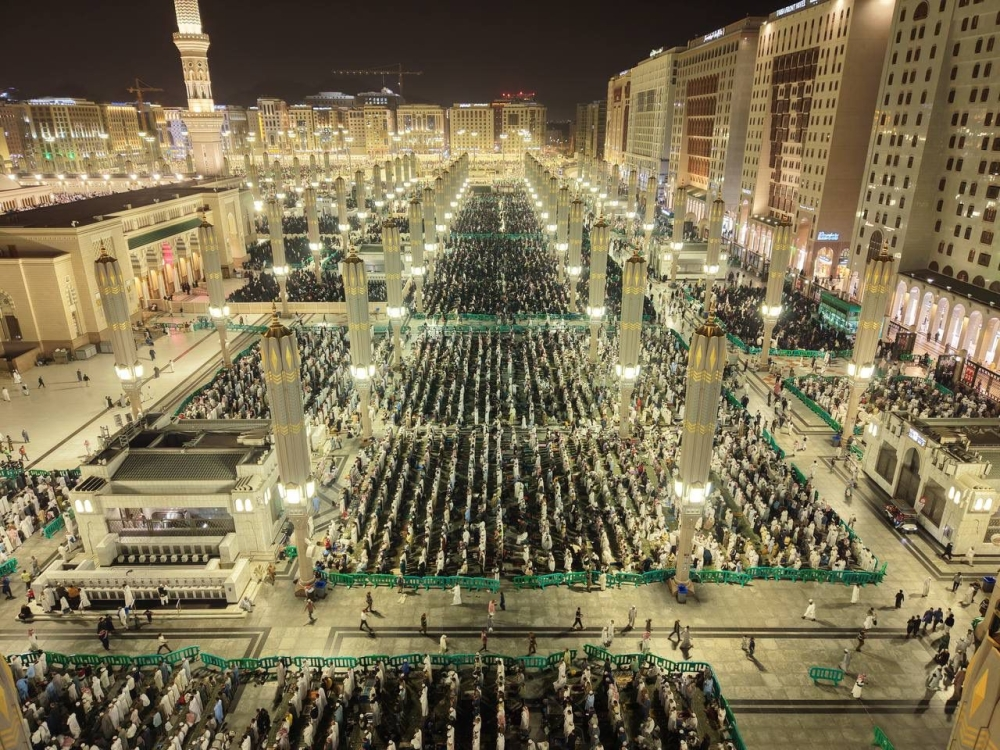
According to the statistics, Riyadh accounted for the largest share of passenger traffic, recording a staggering 21.15 million passengers, reflecting the success of the Riyadh bus project in attracting a wide segment of residents and visitors. Makkah came in second with 3.42 million passengers, driven by the influx of pilgrims and visitors, followed by Jeddah with 1.19 million passengers.
In the Eastern Province, the city of Dammam and the Qatif governorate recorded approximately 836,000 passengers, while Medina saw 481,000. The remaining figures were distributed in varying proportions across other cities and governorates, including Qassim, Taif, Jazan, Al-Ahsa, and Tabuk, indicating the growing adoption of public transportation throughout the Kingdom.
Context of Vision 2030 and the National Transport Strategy
These figures cannot be viewed in isolation from the broader context of the transformations underway in the Kingdom. These results are a direct consequence of the goals of Vision 2030 and the National Transport and Logistics Strategy. These strategies aim to increase the use of public transportation to reduce overall reliance on private vehicles, thereby contributing to a higher quality of life in Saudi cities.
Recent years have seen huge government investments in transport infrastructure, most notably the launch of advanced and interconnected bus networks in major cities, providing reliable, safe and competitively priced transportation options, which has encouraged millions to change their daily commuting patterns.
Expected economic and environmental impact
This increase in bus usage has broad positive implications. Environmentally, the shift towards public transportation directly contributes to reducing carbon emissions and pollution from individual vehicles, aligning with Saudi Arabia's green initiatives.
Economically and socially, these figures represent a tangible reduction in traffic congestion plaguing major cities, thus minimizing wasted time and fuel consumption. The Public Transport Authority affirms that these results are a continuation of its ongoing efforts to develop services, enhance operational efficiency, and expand the network's geographical reach to include more neighborhoods and vital locations, ensuring the sustainability of this growth in the future.