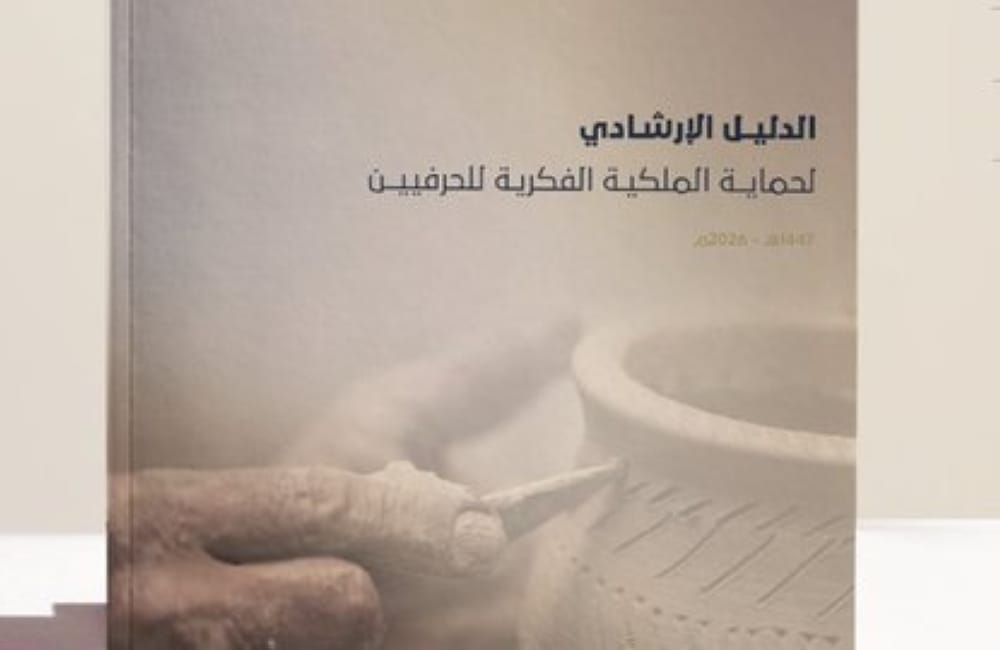
The Saudi Arabian General Authority for Intellectual Property (SAIP) has adopted a comprehensive guide aimed at protecting the rights of artisans , a strategic step to safeguard the national heritage of handicrafts from the dangers of imitation and illicit commercial exploitation. This initiative establishes an integrated legislative framework encompassing patents, copyrights, and trademarks, thereby contributing to the growth of cultural and creative industries.
Historical roots and the importance of protecting the rights of artisans in the Kingdom
Handicrafts in Saudi Arabia are an integral part of the society's culture, passed down through generations. Historically, traditional crafts such as Sadu weaving, pottery, and palm frond crafts were transmitted from fathers to sons as practical skills without a legal framework to protect their intellectual property rights. This lack of regulation in past decades left many heritage designs vulnerable to imitation by external parties, necessitating decisive regulatory intervention to protect them from infringements that threaten their continuity and deprive their creators of their rights in local and international markets.
With the launch of Saudi Vision 2030, the importance of preserving national identity and cultural heritage emerged as a fundamental pillar. Hence, the General Authority for Intellectual Property played a crucial role in translating this vision into tangible reality by establishing legal frameworks that ensure the documentation of these creative expressions, transforming them from mere folk practices into legally protected economic assets.
Economic and cultural dimensions locally, regionally and internationally
The impact of this guide extends beyond the legal sphere to encompass broad economic and cultural dimensions. Locally, these regulations empower artisans economically and encourage young people to confidently engage in the handicrafts sector, creating new job opportunities and supporting the creative economy. Regionally, the Kingdom is setting a pioneering example for the Middle East in integrating folk heritage with modern intellectual property laws.
On the international level, this regulation opens up vast opportunities for Saudi artisans to export their products to global markets without fear of their designs being stolen. The ability to leverage international agreements ensures that innovative Saudi heritage is respected and protected worldwide, thus enhancing the Kingdom's soft power and showcasing the richness of its culture.
Details of legal protection and patent support
The guide explained that copyright grants the artisan full immunity to dispose of their work and prevents its exploitation by other parties. This protection extends for the artisan's lifetime and fifty years after their death, covering designs, textiles, and original decorations.
The report also highlighted the vital role of patents, which offer protection for twenty years, in supporting technological innovations related to crafts. This system protects modern techniques such as advanced tanning and pottery-making, ensuring exclusive commercial benefits for artisans. The authority further emphasized the importance of trademarks in preserving the identity of handcrafted products for a renewable ten-year period, preventing their confusion with counterfeit goods and enhancing consumer confidence in the market.
Industrial Design Laws and Amicable Settlement Procedures
The regulations also addressed the protection of industrial designs related to the aesthetic form of handicrafts for a period of fifteen years. A distinctive feature of this system is the possibility of extending protection internationally through the Hague Convention, thus encompassing multiple global markets. The regulations detailed the protection pathways for Sadu weaving, palm frond products, and wooden and leather handicrafts by combining patents for new technologies with copyrights for traditional geometric and floral motifs.
In closing, the Authority urged heritage creators to proactively document and officially register their works through the online portal. It emphasized the availability of amicable settlement mechanisms to resolve any intellectual property disputes promptly and effectively, as a proactive step before resorting to litigation. This saves creators time and effort and ensures the continued flow of their artistic output.