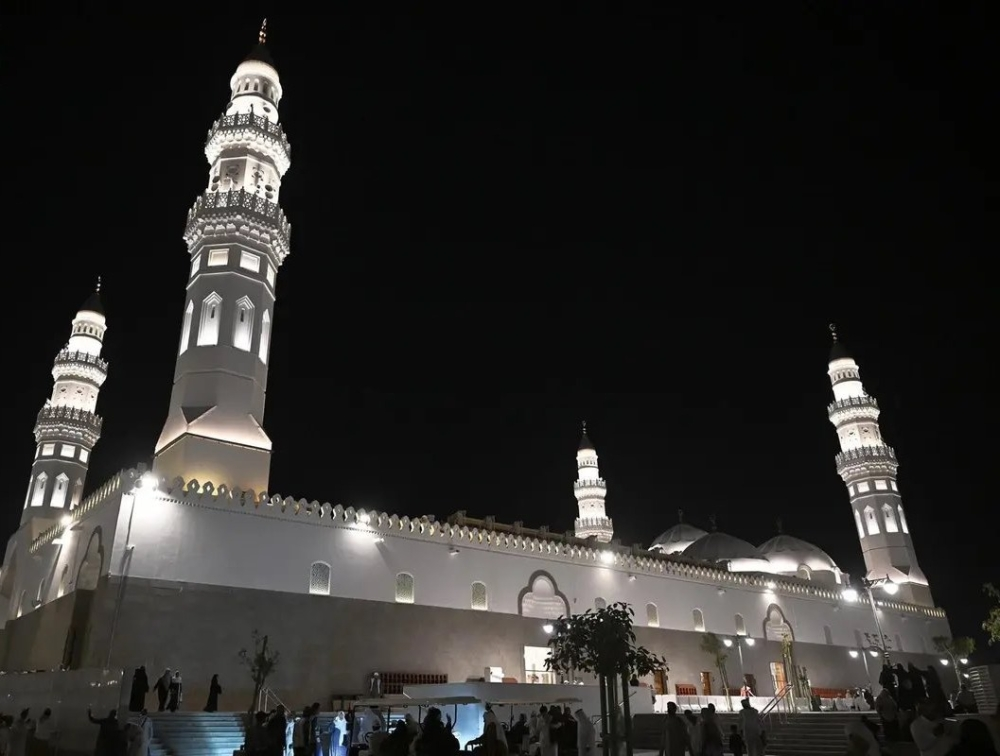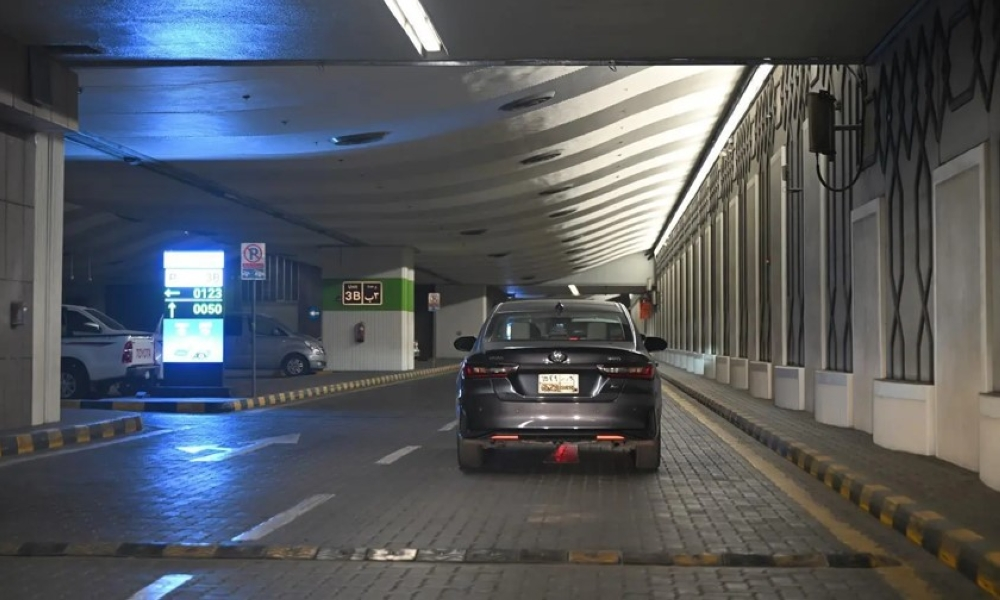
The General Authority for the Care of the Two Holy Mosques announced the launch of a comprehensive parking system at the Prophet's Mosque, designed to facilitate easy access for visitors and worshippers. This initiative is part of the Kingdom's ongoing efforts to enhance services for pilgrims to the Two Holy Mosques. The parking facilities utilize smart monitoring systems operating around the clock to improve the overall spiritual experience for visitors.
Historical background and ongoing development efforts
The Prophet's Mosque, the second holiest site in Islam, receives meticulous attention from successive Saudi governments. Throughout history, the mosque has undergone massive expansions to accommodate the growing number of Muslims arriving from all corners of the globe. Infrastructure development projects surrounding the mosque, including service facilities such as parking, are an integral part of these efforts. This modern project falls within the framework of the Kingdom's Vision 2030 and the Guests of God Program, which aims to enrich and enhance the experience of pilgrims, Umrah performers, and visitors by utilizing the latest technologies to ensure their comfort and safety.
Details of the smart parking system
The parking system comprises 24 independent units, carefully designed to meet the needs of visitors. Each unit has a capacity of 184 vehicles, providing ample space and helping to alleviate congestion in the central area. To ensure the highest levels of safety, the facilities are equipped with over 1,000 fire extinguishers and fire hoses, as well as a state-of-the-art network of 700 smart surveillance cameras operating 24/7 to efficiently monitor operations and enhance public safety.
Facilitating access and enhancing traffic flow
To facilitate entry and exit, visitors can access the parking areas via four main entrances strategically located around the Prophet's Mosque. These entrances include the Abu Bakr Al-Siddiq Road entrance from the north, the Quba entrance from the south, the Omar Ibn Al-Khattab Road entrance from the west, and the Prince Abdul Mohsen Road entrance from the south. This well-planned layout ensures smooth traffic flow and reduces congestion, especially during peak seasons such as Ramadan and Hajj.
Project importance and expected impact
The importance of this project extends beyond simply providing parking spaces; it encompasses enhancing the overall visitor experience. Locally, the project contributes to regulating traffic flow in Madinah. Regionally and internationally, it reflects the Kingdom's commitment to providing the highest quality services to pilgrims, utilizing the latest digital solutions. The authority has also implemented self-service payment via 48 kiosks located throughout the facilities, accessible by descending the stairs. Payment can also be made by scanning the QR code on the parking ticket, thus keeping pace with digital transformation and saving visitors time and effort.