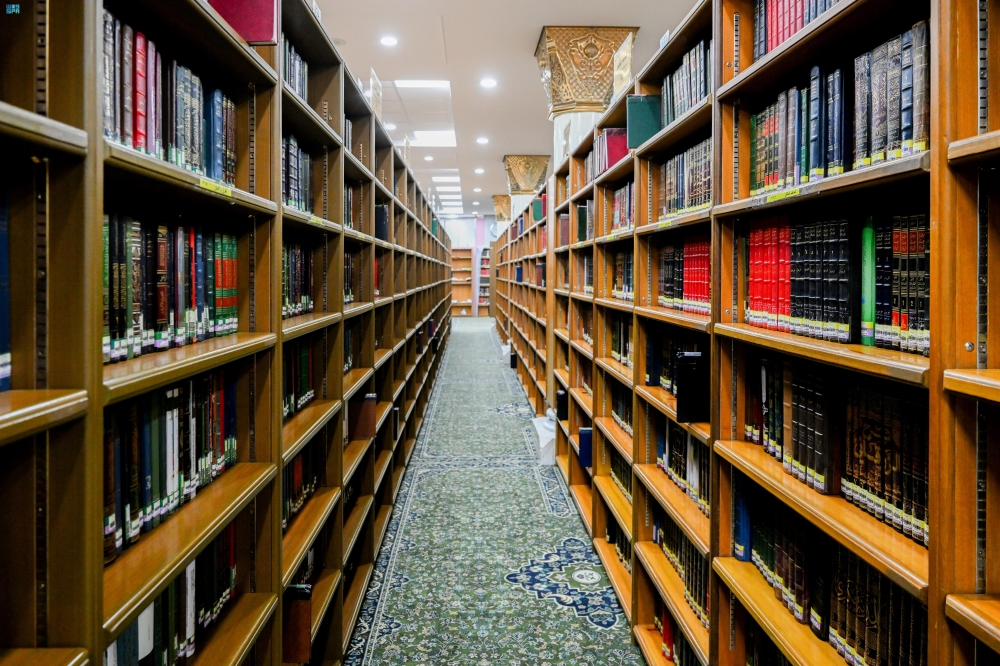
تُشكل مكتبة المسجد النبوي الشريف في المدينة المنورة صرحاً معرفياً شامخاً ومنارةً ثقافيةً بارزة، حيث تواصل دورها الريادي في خدمة التراث الإسلامي واللغة العربية. وتكتسب المكتبة أهمية استثنائية ليس فقط لموقعها الجغرافي والروحي داخل أروقة الحرم النبوي، بل لما تحتويه من كنوز معرفية تجعلها قبلة للباحثين وطلاب العلم من شتى بقاع الأرض.
جذور تاريخية تمتد لقرون
لا تعد مكتبة المسجد النبوي وليدة العصر الحديث، بل هي امتداد لإرث تاريخي عميق. وتشير المصادر والوثائق التاريخية الموثوقة إلى أن المكتبة كانت قائمة ونشطة قبل الحريق الشهير الذي أصاب المسجد النبوي في الثالث عشر من رمضان عام 886هـ (1481م). وقد التهم ذلك الحريق خزائن نفيسة كانت تضم مصاحف ومخطوطات نادرة، مما يدل على أن العناية بالعلم والكتب كانت جزءاً لا يتجزأ من رسالة المسجد النبوي منذ قرون مبكرة.
وفي العهد السعودي الزاهر، شهدت المكتبة نقطة تحول مفصلية بإعادة تأسيسها رسمياً في عام 1352هـ (1933م) بأمر من الملك المؤسس عبد العزيز بن عبد الرحمن آل سعود -رحمه الله-. وقد جاء هذا التأسيس ليعيد للمكتبة وهجها، ولتكون مركزاً إشعاعياً يجمع بين أصالة التراث ومتطلبات العصر، موفرةً بيئة علمية متكاملة لرواد الحرم الشريف.
15 ألف كتاب في علوم العربية
تزامناً مع الاحتفاء باللغة العربية ومكانتها العالمية، تبرز مكتبة المسجد النبوي كواحدة من أهم الحواضن لهذه اللغة الخالدة. حيث تحتضن المكتبة اليوم أكثر من 15 ألف كتاب ومجلد متخصص في علوم اللغة العربية وفنونها. وتتنوع هذه المجموعة الثرية لتشمل أمهات الكتب في النحو والصرف، والبلاغة، والأدب، وفقه اللغة، بالإضافة إلى المعاجم اللغوية والشروح التراثية والدراسات الحديثة.
هذا الاهتمام الكبير بعلوم اللغة ينبع من كون العربية هي لغة القرآن الكريم والسنة النبوية، والوعاء الحافظ للعلوم الشرعية، مما يجعل المكتبة مرجعاً لا غنى عنه لكل من أراد التبحر في فهم النصوص الشرعية بدقة وعمق.
منظومة خدمات متكاملة وتقنيات حديثة
لا تقتصر خدمات المكتبة على توفير الكتب المطبوعة فحسب، بل تمتد لتشمل منظومة واسعة من الأقسام المتخصصة التي تضمن حفظ هذا الإرث وتيسير الوصول إليه. وتضم المكتبة قاعات مطالعة مجهزة، وقسماً خاصاً للمخطوطات النادرة التي تعد ثروة وطنية وإسلامية، بالإضافة إلى قسم الصوتيات الذي يعمل على توثيق وأرشفة الدروس العلمية والخطب التي تلقى في المسجد النبوي.
ولضمان استدامة هذه المقتنيات، تحتوي المكتبة على قسم فني متطور يُعنى بترميم المخطوطات وتعقيمها وتجليدها وفق أعلى المعايير العالمية. كما واكبت المكتبة الثورة التقنية من خلال المكتبة الرقمية التي تتيح البحث الإلكتروني السريع، مما يسهل على الباحثين الوصول إلى المعلومة بدقة ويسر، معززة بذلك مكانة المملكة كراعية للعلم والمعرفة في العالم الإسلامي.