A historic partnership spanning more than a century
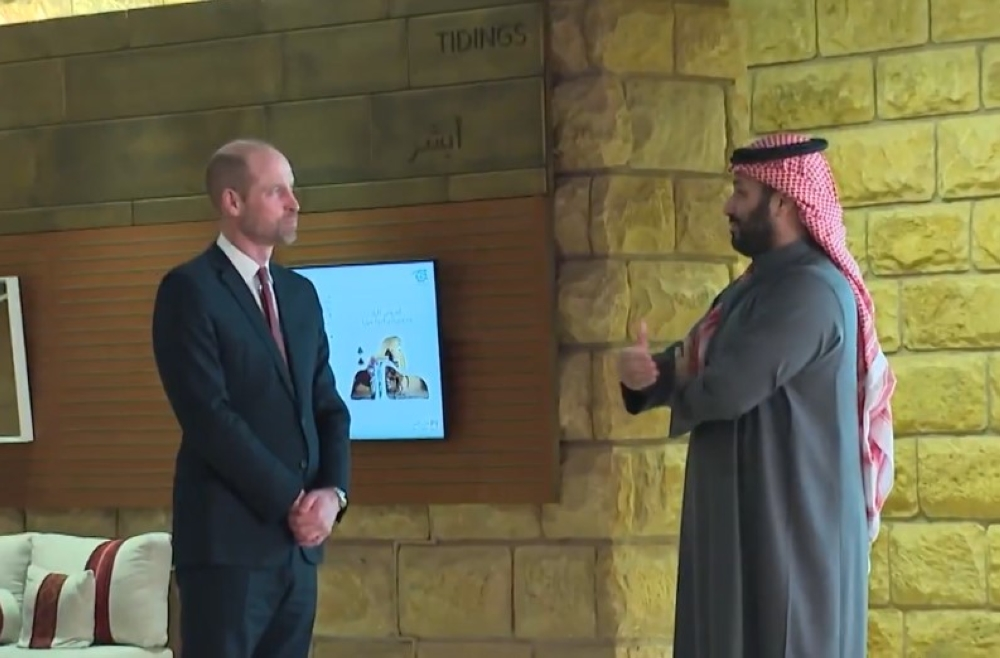
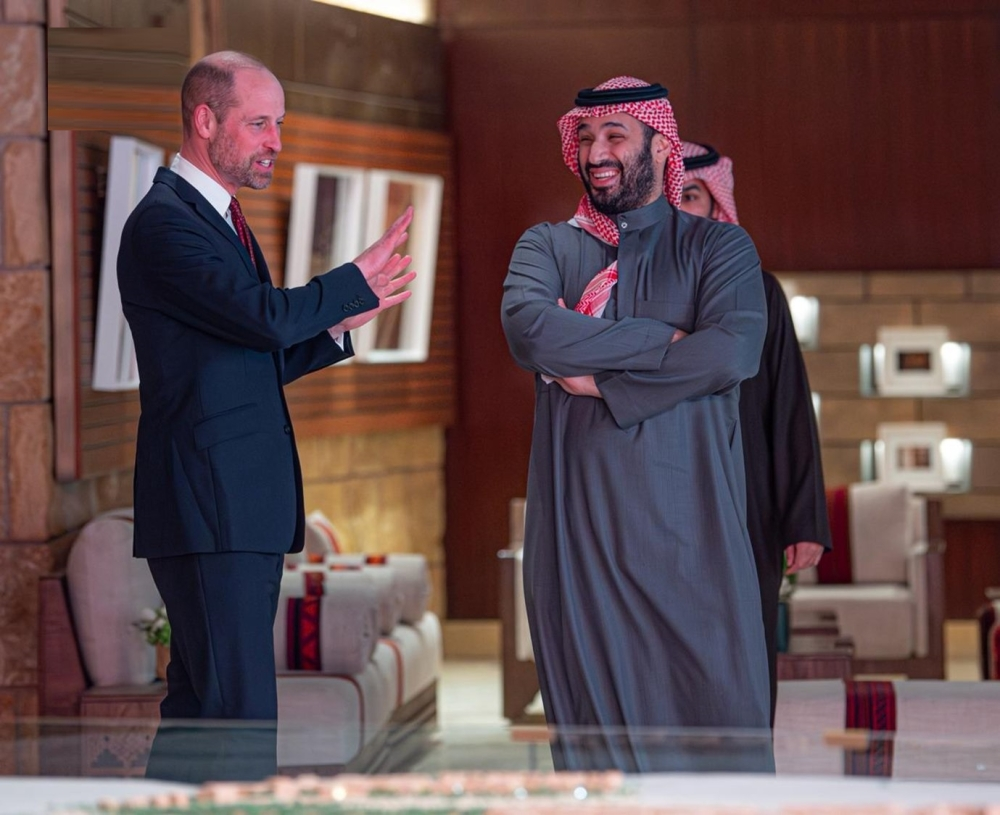
The visit of His Royal Highness Prince William, the Prince of Wales, to the Kingdom of Saudi Arabia underscores the depth of the historical and strategic relationship that has bound the two countries for over a century. This relationship, founded on the principles of mutual respect and shared interests, has continuously evolved into a comprehensive partnership encompassing all political, economic, defense, and cultural spheres. Such high-level reciprocal visits are not merely diplomatic protocol, but rather key milestones for strengthening coordination and aligning perspectives on pressing regional and international issues.
Strategic Partnership Council: An institutional framework for bilateral relations
The visit of His Royal Highness Prince Mohammed bin Salman, Crown Prince and Prime Minister, to the United Kingdom in 2018 marked a pivotal turning point in the history of relations, during which the Saudi-British Strategic Partnership Council was launched. This council serves as an institutional framework aimed at organizing and developing cooperation across various sectors and is the primary driver for propelling the partnership towards broader horizons. Prince William's visit comes within the context of activating the outcomes of this council and reaffirms the commitment of both countries' leadership to continued communication and consultation in a manner that serves their common interests and supports security and stability at both the regional and international levels.
Vision 2030: A key driver of economic cooperation
The Saudi-British partnership is gaining further momentum within the framework of the Kingdom’s Vision 2030, an ambitious roadmap for comprehensive economic and social transformation. London views Riyadh as a pivotal strategic partner in the region and a rising global economic power, and affirms its continued support for the Vision’s projects and programs. This alignment has resulted in significant growth in bilateral trade, which increased by more than 30% between 2018 and 2023. The two countries aim to increase bilateral trade to $37.5 billion by 2030, reflecting mutual trust and promising opportunities in the renewable energy, technology, financial services, and tourism sectors.
Promising investment and cultural dimensions
Cooperation has not been limited to trade; it has extended to mutual investments, with British direct investment in the Kingdom reaching $17.3 billion in 2024. The number of British companies that have relocated their regional headquarters to Riyadh has also more than doubled, reaching 1,700. On the cultural and educational front, approximately 14,000 Saudi students are studying at British universities, building bridges of intellectual and human connection between the two nations. Initiatives such as “GREAT FUTURES” and the Saudi-British Business and Partnership Forum serve as vital platforms for fostering communication between business leaders in both countries and removing obstacles for the private sector to contribute to existing projects and inject new investments.
solid defense and security coordination
Military and defense relations are a cornerstone of the Saudi-British partnership, spanning more than a century of continuous cooperation. The two countries are working to strengthen this partnership to address shared security challenges, secure international shipping lanes, and combat terrorism. Cooperation encompasses joint training, technology transfer, and the development of defense industries, aligning with the Kingdom's objectives to localize this vital sector. Security and political coordination between Riyadh and London plays a crucial role in addressing regional crises and pursuing peaceful and diplomatic solutions to conflicts, thereby ensuring the sovereignty and territorial integrity of nations.