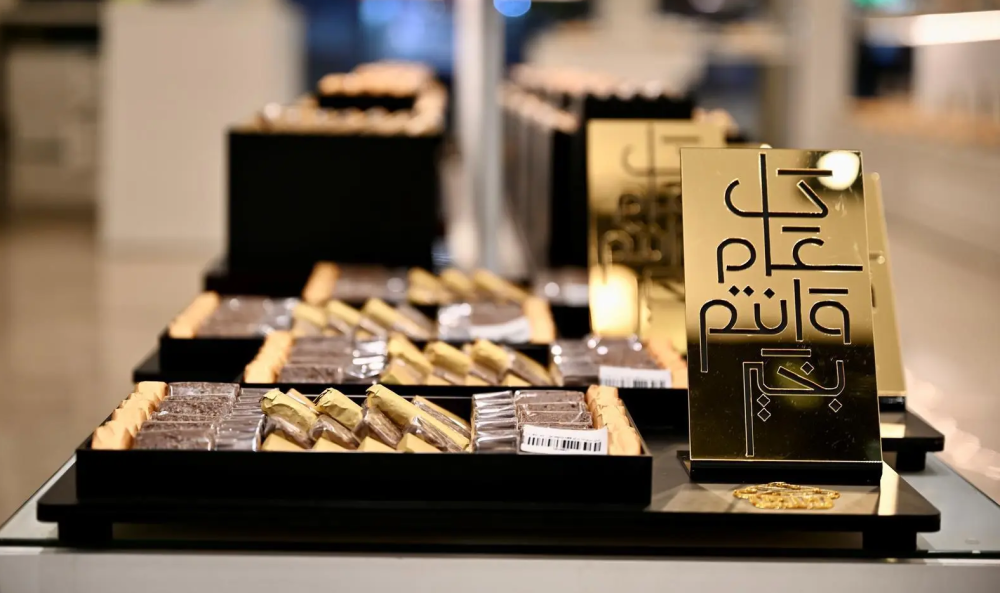
The Saudi capital is adorned with joy and happiness as the holy month of Ramadan draws to a close. Preparations for Eid al-Fitr in Riyadh are a special occasion, blending nostalgia with joy and gratitude for blessings. The festive spirit of this great event is renewed, with residents taking great care to prepare in a manner befitting this Islamic ritual. This reflects an attention to appearance and a desire to express joy, inspired by the Prophetic traditions that encourage adorning oneself and using perfume during the Eid celebrations.
Unforgettable joy... Preparing for Eid al-Fitr in Riyadh
The celebrations of Eid are not a recent phenomenon; their roots extend back to the dawn of Islamic history. Eid al-Fitr was instituted in the second year of the Hijra, as a divine reward for Muslims after completing the obligatory fast of Ramadan. Historically, this occasion has been associated with demonstrating social solidarity, unifying ranks, and spreading love among people. In the Arabian Peninsula, generations have inherited authentic customs and traditions for celebrating Eid, preserving their religious essence while evolving forms of expression of joy to suit each era, making these traditions an integral part of Saudi cultural identity.
Saudi markets and fashion accessories are booming
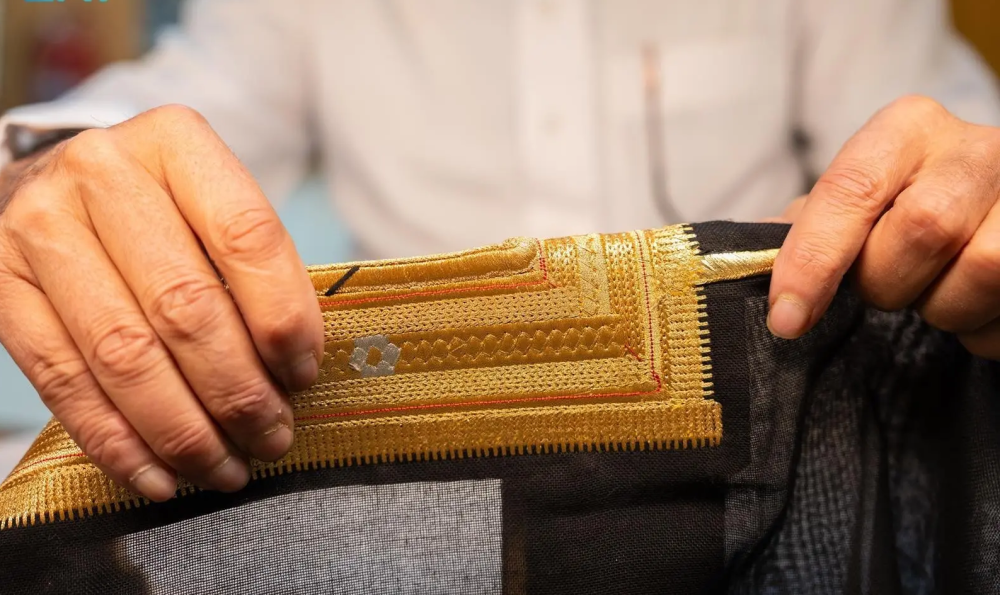
Men's clothing markets, including shops selling traditional robes (bishts) and perfumes, are experiencing a surge in activity in the days leading up to Eid. There is a noticeable increase in demand for new clothes, new and refurbished bishts, as well as perfumes, oud oil, and incense, all considered essential elements of Eid attire in Saudi society. The pace of activity in these markets intensifies as the occasion draws nearer, reflecting the desire of many to look their best. Tailoring shops are also experiencing increased demand for new garments, while perfume shops are bustling with customers seeking oriental fragrances associated with joyous occasions.
The white thobe and the cloak... symbols of authenticity
The white thobe is a prominent and popular choice for Eid morning, symbolizing purity, simplicity, and elegance in Saudi attire. This look is completed by wearing the shemagh or ghutra, along with the bisht (cloak), a luxurious traditional garment associated with formal occasions and holidays, thus reflecting the Kingdom's cultural identity and inherited social traditions.
The economic and social impact of holiday celebrations
The significance of Eid extends beyond its spiritual dimension, encompassing tangible impacts at the local and regional levels. Locally, Eid generates a substantial economic boost, particularly in the retail, hospitality, and domestic tourism sectors, where sales experience an exceptional surge. Socially, Eid presents a golden opportunity to strengthen family bonds and resolve disputes. Regionally, the Saudi capital has become a magnet for visitors from neighboring Gulf countries, who flock to enjoy the entertainment and cultural events accompanying Eid, further solidifying Riyadh's position as a leading cultural and tourist capital in the region.
Eid morning... the spirituality of prayer and family connection
The signs of Eid begin on its first morning with the importance of ritual purification, applying perfume, and wearing one's finest clothes. The crowds then head to the prayer grounds and mosques to perform the Eid prayer in an atmosphere filled with takbir (saying "Allahu Akbar") and tahlil (saying "La ilaha illallah"). Worshippers arrive from early morning in a scene brimming with joy and tranquility, where feelings of gratitude and thanks to God Almighty converge. Following the prayer, the celebrations continue with the exchange of greetings among worshippers and visits to relatives and the elderly, within social traditions that strengthen family ties and deepen the values of affection. These preparations remain a sincere expression of legitimate joy and gratitude to God for the completion of His blessings.