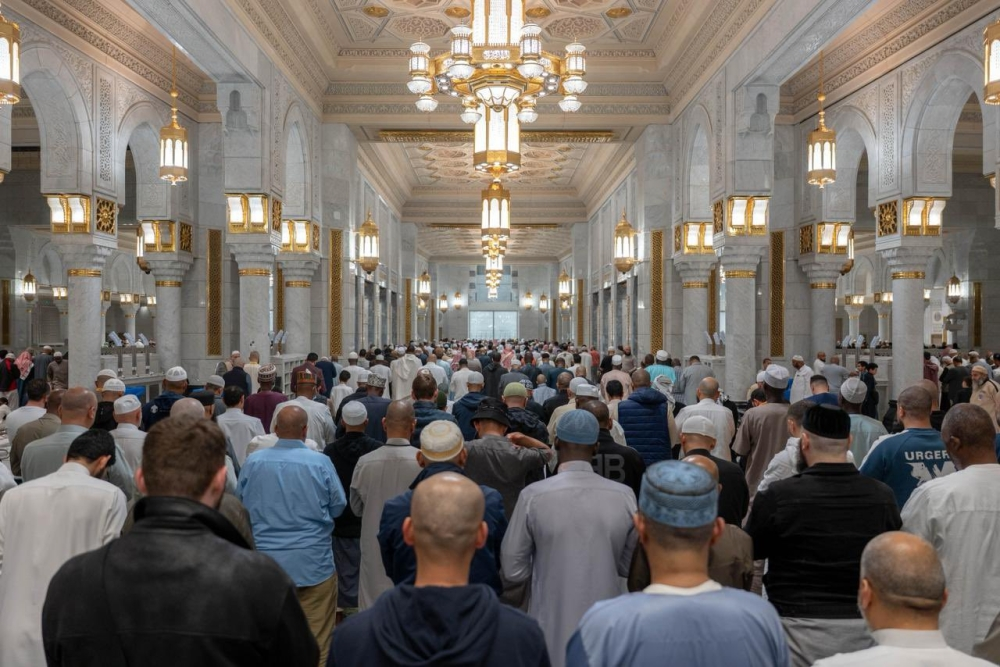
the 27th night of Ramadan approaches , the eyes and hearts of millions of Muslims around the world turn towards the Two Holy Mosques. The pace quickens and activity intensifies in the courtyards of the Grand Mosque in Mecca and the Prophet's Mosque in Medina in preparation for this blessed night, which is considered one of the busiest nights of the holy month, with worshippers and pilgrims seeking reward and forgiveness. In this awe-inspiring scene of faith that is renewed every year, the General Presidency for the Affairs of the Two Holy Mosques has established a comprehensive operational system commensurate with the scale of this night and the millions of pilgrims expected. This system is part of a field plan designed to enable the guests of God to perform their acts of worship in a safe and comfortable environment.
The significance of the 27th night of Ramadan in the Islamic consciousness
The 27th night of Ramadan holds a profound spiritual and historical significance in the hearts of Muslims. Many scholars and interpreters, based on authentic hadiths, believe it to be Laylat al-Qadr, the Night of Decree, on which the Holy Quran was revealed. Historically, this night has been associated with i'tikaf (seclusion in the mosque), prayer, and supplication, making the Grand Mosque in Mecca and the Prophet's Mosque in Medina the primary destinations for millions of Muslims seeking to observe this Sunnah (Prophetic tradition). The influx of these vast crowds is not a recent phenomenon, but rather a continuation of a long history of venerating the rituals of God in these sacred places, where concerted efforts are made to provide the highest quality services befitting the sanctity of the place and time.
Regional and international impact of successful crowd management
The impact of the successful organization of this blessed night extends far beyond the local sphere within the Kingdom of Saudi Arabia, encompassing broad regional and international dimensions. As the custodian of the Two Holy Mosques, the Kingdom presents the world with a unique and impressive model for managing millions of pilgrims with efficiency and competence. This success enhances the Kingdom's positive image on the international stage and underscores its leadership in harnessing cutting-edge technologies to serve humanity and facilitate the performance of religious rites. Furthermore, providing a safe and stable environment for millions of visitors from diverse nationalities reflects the message of tolerance and peace that Islam radiates from the heart of Mecca and Medina to all corners of the globe.
Intensive efforts and advanced services
The Authority stated that it has intensified its operational efforts within the Two Holy Mosques by caring for, cleaning, and perfuming the carpets, in addition to preparing extra prayer areas to accommodate the increasing number of worshippers. Cleaning, disinfection, sterilization, fumigation, and perfuming operations have also been enhanced in the arcades and corridors, along with providing blessed Zamzam water at various locations to serve worshippers and pilgrims. Regarding the readiness of the operational infrastructure, the Authority confirmed that it has raised the level of preparedness in the electricity and power systems, enhanced the efficiency of the air conditioning, lighting, and sound systems, and ensured the readiness of elevators and escalators. It has also increased the readiness of safety and emergency systems to guarantee the continuity of operational services according to the highest standards of reliability and safety during peak times.
Modern technologies to facilitate visitor movement
The General Presidency for the Affairs of the Two Holy Mosques (Grand Mosque and Prophet's Mosque) has intensified its efforts in crowd management and traffic control within the Grand Mosque, the Prophet's Mosque, and their courtyards by activating pathways and walkways to ensure smooth movement. Two lanes for electric carts have been made available, and a cart service has been launched from hotels in the central area of the Grand Mosque. In addition, interactive 3D maps have been introduced, providing visitors with multiple routes to reach various facilities and prayer areas, and the "Where Are We?" card service, using barcodes, has been activated to help locate people within the Two Holy Mosques.
Development plans and comprehensive care for those in seclusion
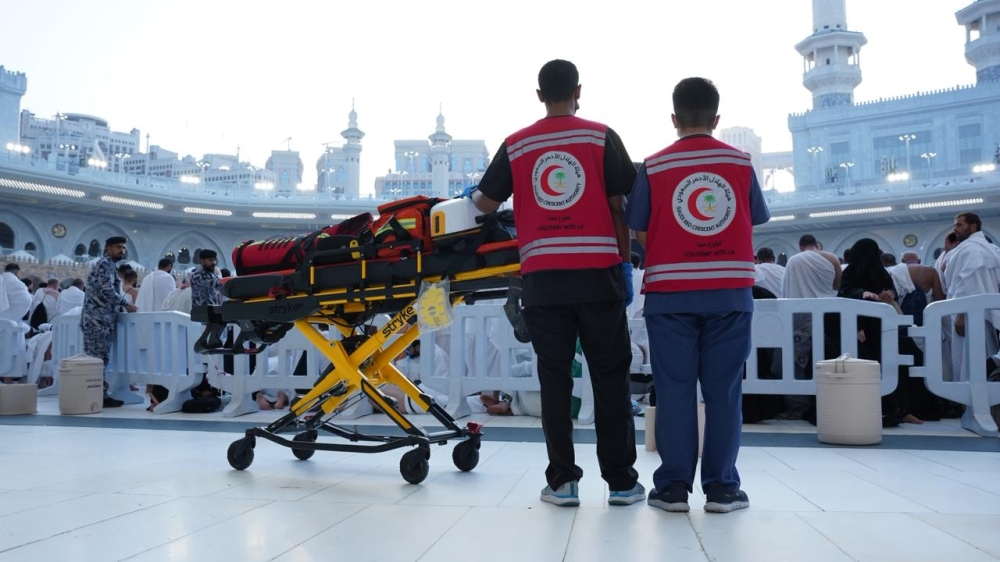
In this context, the authority organized mobile teams equipped with simultaneous translation devices to serve visitors of various nationalities. For the first time, guest care centers were activated to provide guidance, support, and facilitate access to their destinations. The authority also developed a plan to improve the flow of visitors to restroom facilities by utilizing real-time Internet of Things (IoT) technologies. Electronic screens at entrances display color-coded density levels, guiding visitors to less crowded areas and contributing to smoother movement and reduced waiting times during peak hours.
Regarding enhancing the experience of worshippers and those observing Itikaf, the Authority indicated that it has been working on increasing the provision of Qur’ans and Braille Qur’ans, activating the digital worshipper’s guide in various prayer areas, in addition to developing Itikaf services through a package of logistical, medical, and awareness services, which contributes to creating an organized and safe faith environment that helps those observing Itikaf and worshippers to perform their acts of worship while they are in the corridors of the Two Holy Mosques.