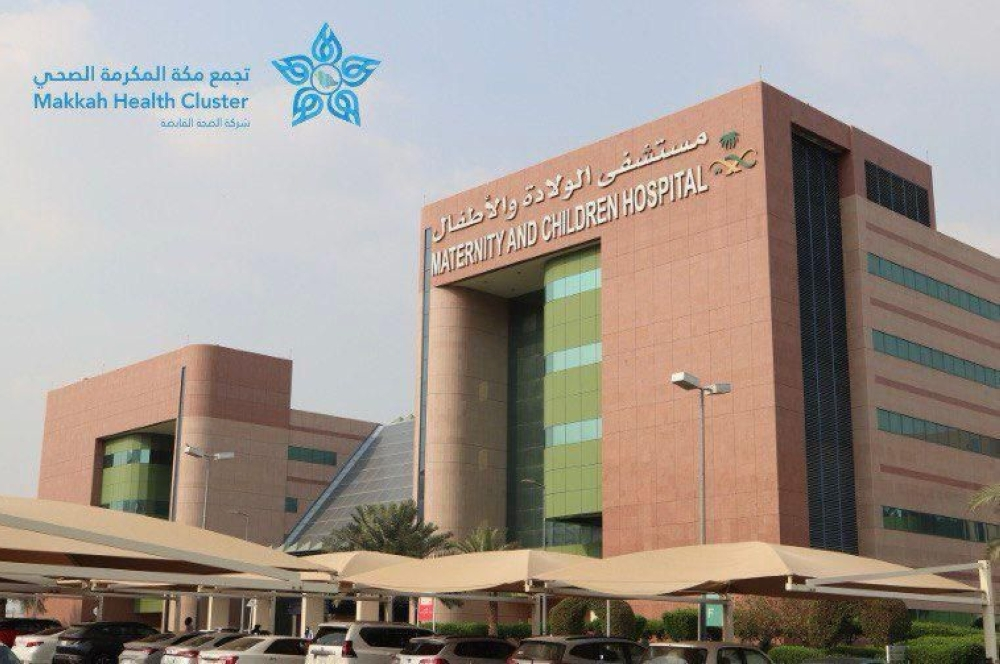
The premarital screening center at the Maternity and Children's Hospital in Makkah, part of the Makkah Health Cluster, achieved a significant medical and community milestone in 2025, providing services to over 6,100 citizens and residents preparing for marriage. This achievement aligns with the Kingdom's ongoing national efforts to promote public health and reduce the prevalence of genetic diseases, in accordance with the objectives of the Health Sector Transformation Program and the Kingdom's Vision 2030.
Strategic context: Towards a society free from genetic diseases
The premarital screening program (healthy marriage) is a cornerstone of the Kingdom of Saudi Arabia's healthcare system. The figures recorded in Makkah are particularly significant given the demographic and social characteristics that necessitate increased awareness of the importance of health compatibility. The Ministry of Health, through its health clusters, is working to intensify these screenings to reduce the economic and social burden of managing chronic illnesses. Through these initiatives, the Kingdom aims to build a healthy generation free from the hereditary blood disorders prevalent in the region.
Accurate statistics and demographic distribution
Statistics released by the Makkah Health Cluster revealed detailed information about the beneficiaries, with a total of over 6,100 examinations conducted. Saudi citizens topped the list with 4,673 patients, while non-Saudis numbered 1,427. Regarding gender distribution, the figures demonstrated a growing societal awareness among women, with 3,246 women benefiting, exceeding the 2,854 men. This reflects the commitment of all segments of Makkah society to adhering to health standards before marriage.
Medical indicators: Sickle cell anemia is at the forefront
On the medical and laboratory front, detailed tests identified 311 positive cases of individuals with or carrying the traits for inherited blood disorders. Sickle cell anemia accounted for the largest percentage of these cases at approximately 61%, followed by beta-thalassemia at 20%. This data serves as a vital indicator, assisting health authorities in more precisely targeting awareness programs and medical advice. Early detection aims to prevent the transmission of these genes to future generations and spare families the psychological and physical suffering associated with these chronic diseases.
Integrated service system and specialized clinics
The center's role is not limited to conducting laboratory tests; rather, it offers an integrated model of care that includes several specialized clinics:
- Health Education Clinic: To raise awareness of the importance of screening and adherence to necessary vaccinations such as measles and rubella vaccines for girls.
- Medical Counseling Clinic: This is the most important stop for genetically incompatible cases, where scientific medical opinion is provided and transparency is given regarding the possibilities of the disease being passed on to the children, enabling both parties to make a conscious and responsible decision.
- Psychological and physical assessment clinic: dedicated to minors (under 18 years old) to ensure their physical and mental fitness for marriage.
Experts emphasize that adhering to the results of these tests is the first line of defense for protecting society, and contributes directly to achieving a high quality of life for both Saudi and resident families.