Life gradually returned to normal in southwest Berlin on Wednesday, as authorities announced they had successfully restored power to the area after a multi-day blackout described as the longest and most complex since the end of World War II. This followed intensive efforts to repair extensive damage to the power grid caused by a suspected act of sabotage.
Details of the power restoration and technical efforts
Berlin Mayor Kai Wegener confirmed that power was restored at 11:00 AM local time, noting that the process was not a routine repair but rather "complex and gradual." Technical teams had to work around the clock in harsh weather conditions to repair the cable duct that had been completely destroyed by the fire. This required replacing vital parts of the network to ensure a stable power supply upon its return and to prevent sudden surges that could cause further outages.
Background to the incident: sabotage at a critical time
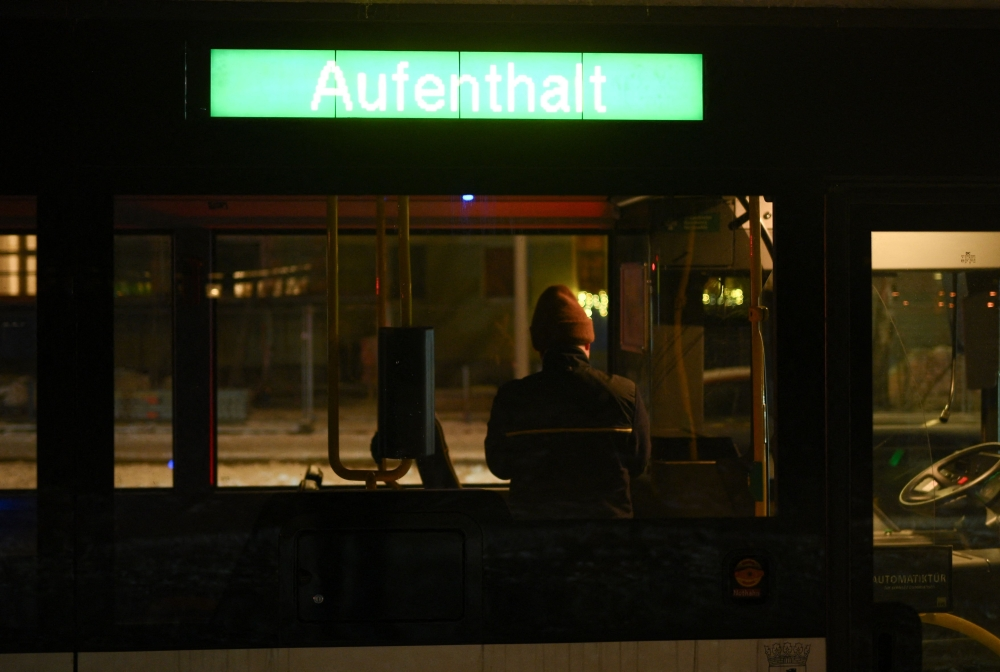
The crisis began early last Saturday when a fire broke out at a vital power distribution point, completely crippling electricity supplies to approximately 45,000 homes and over 2,000 businesses in the city's southwestern districts. This blackout coincided with a severe cold snap in Germany, compounding the hardship for residents who found themselves without heating or light for several nights, prompting a mobilization of emergency services to provide support to the most affected.
Security dimensions and timing implications
This incident carries worrying security implications for German authorities, as initial investigations point to suspected arson, raising questions about the security of the country's critical infrastructure. This comes at a time of growing European concern about cyber and physical attacks targeting energy and transportation networks. The targeting of power cables in Berlin serves as a stark reminder of the need to strengthen security measures around sensitive facilities.
Historical context: Why is it the longest since the war?
Describing this outage as the longest since World War II is not mere media exaggeration; it reflects the long-standing stability of the German grid. Since Berlin's reconstruction after 1945, its infrastructure has been designed to be resilient and robust. Therefore, the success of a single act of sabotage in causing a paralysis lasting for days exposes logistical and security vulnerabilities that may prompt the federal and state governments to reassess their energy security strategies, particularly given the current geopolitical tensions in Europe.