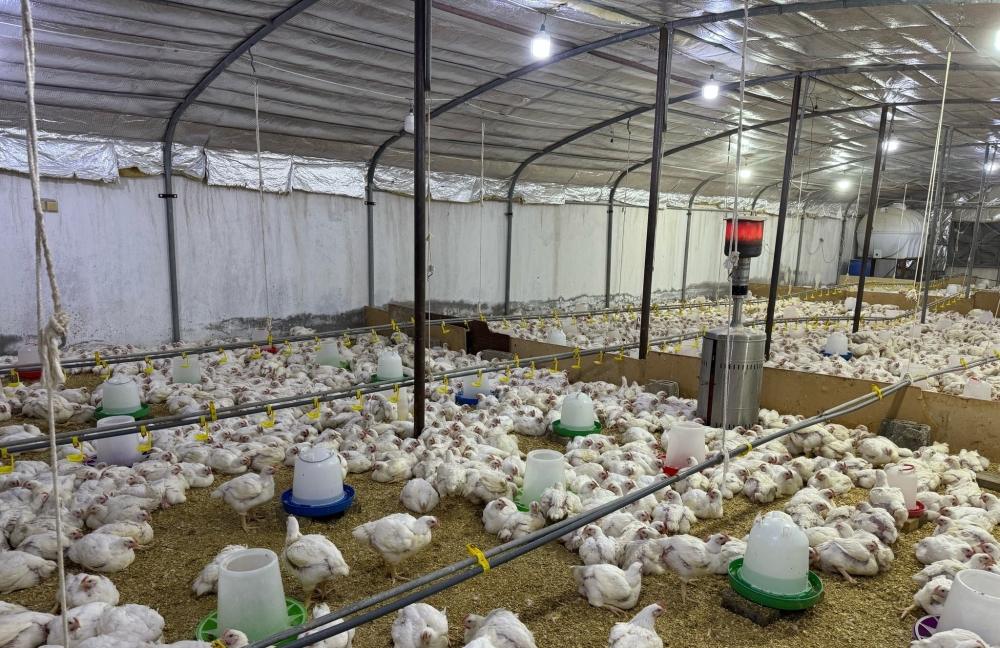
This comes as part of a comprehensive national plan aimed at calculating the electrical loads required for these projects and integrating them into the planned network expansion capacity, paving the way for the gradual elimination of liquid fuel in operational processes.
This move came as a result of joint coordination between government agencies. The Ministry stated that a study of electrical loads revealed specific technical requirements and factors that must be considered to determine the feasibility of connecting poultry farms to the public grid. This necessitates the formal submission of applications to enable the Saudi Electricity Company to conduct detailed technical feasibility studies for each project individually.
In a circular addressed to the Federation of Saudi Chambers, the Ministry emphasized that registration in the "Liquid Fuel Allocation Program" is the essential procedural step to ensure the allocation of the necessary electrical power to the facilities. It stressed the importance of investors completing the application procedures with the Ministry of Energy to obtain the fuel and energy allocations required for sustainable operation.
Supporting the poultry sector
This step aims to raise the efficiency of the poultry sector and reduce operating costs dependent on traditional fuels, while ensuring the stability of electricity supplies for vital projects that contribute to food security, in accordance with the environmental and economic standards of the Kingdom's Vision 2030.
The Federation of Saudi Chambers invited those concerned in the sector to communicate directly with the secretariat of the relevant committee in case of inquiries, to ensure rapid compliance with the new requirements and avoid any obstacles that may face the electrical interconnection operations in the future.