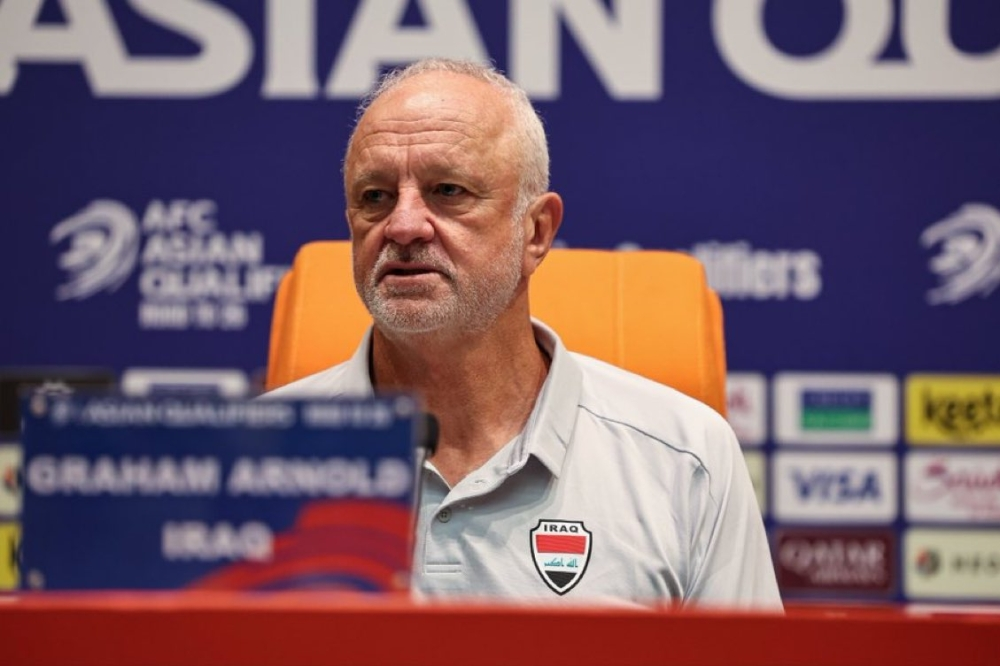
Recent news regarding a proposed postponement of Iraq's World Cup 2026 playoff match has dominated the sports scene, with Graham Arnold suggesting an exceptional solution to the scheduling crisis surrounding the crucial game. This highly anticipated match against the winner of the Bolivia-Suriname game was originally scheduled for March 31st. These developments come at a sensitive time as Asian teams strive to secure their place in the global football tournament.
Reasons for demanding the postponement of the Iraq match and the impact of regional tensions
Arnold explained that the escalating tensions and rapidly unfolding events in the region make holding the match at its originally scheduled date and location extremely difficult, and could even pose a security and logistical challenge. Therefore, he explicitly called on FIFA to consider postponing the match, proposing that it be held in the United States just one week before the start of the World Cup. This proposal aims to ensure the safety of all participating teams and provide a fair and competitive environment, free from any external pressures.
Historically, football has never been immune to external influences; FIFA has intervened on numerous occasions to reschedule matches or move them to neutral venues in response to security and political circumstances. The safety of players and fans is a top priority in FIFA regulations, making the consideration of such requests a very common practice in international sporting norms.
The importance of the World Cup play-offs and their impact on participating teams
This stage of the qualifiers is of paramount importance, especially with the new format of the 2026 World Cup, which will be hosted by the United States, Canada, and Mexico, featuring 48 teams for the first time in the tournament's history. This expansion granted Asia eight and a half slots, intensifying the competition and turning the playoff matches into early finals. For Iraqi sports fans, qualifying for the World Cup represents a major national dream, one that has captivated them since the Lions of Mesopotamia's sole historic appearance at the 1986 World Cup in Mexico.
In a related context, Arnold indicated in his press statements that FIFA's potential decision to postpone the match would give the coaching staff additional and appropriate time for proper preparation. It would also allow the international federation sufficient time to determine the final status of other teams, such as Iran. He added that if the Iranian national team were to withdraw from the competition, it could mean direct qualification for the World Cup, thus giving the UAE national team – which was defeated 3-2 on aggregate in the fifth round of qualifiers – the opportunity to prepare for a match against Bolivia or Suriname instead.
Logistical challenges facing FIFA after the proposal to postpone the Iraq match
This proposal presents FIFA with significant logistical and organizational challenges. The 2026 World Cup is scheduled to officially kick off on June 11, meaning that holding the playoff matches in the United States just a week before the tournament would require a high level of coordination regarding visas, training camps, and television broadcasting rights. However, holding the playoffs in the host country could have the advantage of helping players acclimatize to the conditions and climate earlier than usual before the official competition begins.
Ultimately, FIFA's decision will be crucial in determining the course of these complex qualifiers. Organizing the playoffs at the right time and place is essential to ensuring the safe and fair completion of the qualifiers for all participating teams, and to maintaining the integrity of the competition in one of the world's most prestigious sporting events.