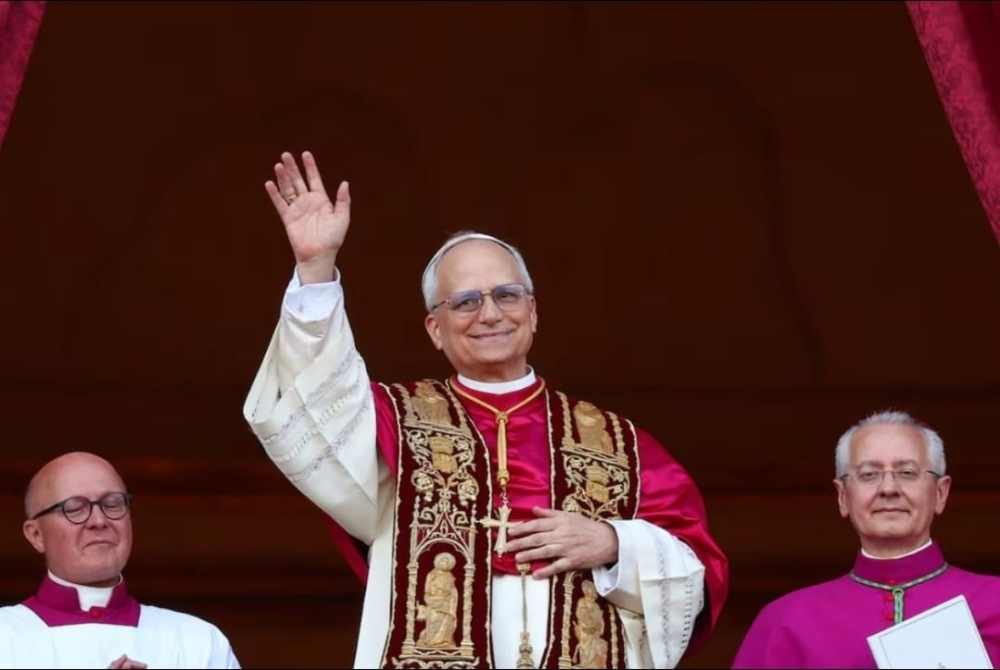
In his first Christmas sermon on Thursday, Pope Leo XIV condemned what he called the “rubble and open wounds” left by wars and conflicts around the world, devoting a large part of his speech to talking about the deteriorating humanitarian situation in the Gaza Strip.
During the Mass held at St. Peter's Basilica in the Vatican, the Pope spoke with evident emotion about "the vulnerability of defenseless populations who have experienced so many wars, both those that are ongoing and those that have ended, but which have left behind immense psychological and material devastation." In his moving address, the Pope asked, "How can we not think of the tents in Gaza that have been exposed for weeks to rain, wind, and bitter cold?" He emphasized the need to not ignore this human suffering.
The tragedy of winter and displacement in Gaza
The Pope's words come at a time when the residents of the Gaza Strip are facing extremely complex humanitarian conditions, with the suffering of displaced people worsening with the onset of winter. UN and international reports indicate that hundreds of thousands of Palestinians are living in makeshift tents and shelters lacking even the most basic means of heating and protection from the elements. The drop in temperatures and rainfall pose an additional challenge for families who have lost their homes, increasing the risk of disease outbreaks amid a severe shortage of medical supplies and fuel for heating.
The Vatican's moral role in conflicts
This sermon falls within the historical context of the Vatican's role as a global moral force advocating for peace and rejecting violence. Popes have consistently used the occasion of Christmas, particularly the encyclical "Urbi et Orbi" (Urbi and the World), to highlight global hotspots and appeal to leaders and decision-makers to prioritize dialogue and protect civilians. These appeals are a fundamental part of Vatican diplomacy, which consistently strives to open humanitarian corridors and alleviate the suffering of vulnerable populations affected by war.
The importance of international solidarity
The Pope's remarks about the "tents in Gaza" carry profound implications, placing the international community before its moral and legal responsibilities. The solidarity he called for extends beyond mere emotional sympathy; it encompasses a call for concrete action to ensure the urgent and sustained delivery of humanitarian aid. Observers affirm that such pronouncements from major religious authorities contribute to keeping just humanitarian causes alive in the global conscience and exert moral pressure to push for a ceasefire and an end to the ongoing suffering.