A severe winter storm is sweeping across the United States
The United States is facing one of the most severe polar vortexes in its modern history, with the death toll rising to at least 30 amid record-breaking low temperatures and near-total paralysis across large parts of the country. The extreme cold, caused by the southward expansion of the polar vortex, has left more than half a million homes and businesses without power, leaving millions more exposed to life-threatening freezing temperatures.
General context: What is a polar vortex?
The polar vortex is defined as a vast area of cold, low-pressure air that circulates around the North and South Poles. Normally, it is kept confined to the polar regions by the powerful jet stream. However, when this stream weakens, the vortex can expand and push extremely cold polar air southward into areas such as the United States, Europe, and Asia. Some scientists believe that climate change and rapid warming in the Arctic may be contributing to the weakening of the jet stream, making these extreme weather events more frequent and intense—a topic that remains the subject of extensive scientific debate.
Disastrous consequences for infrastructure and daily life
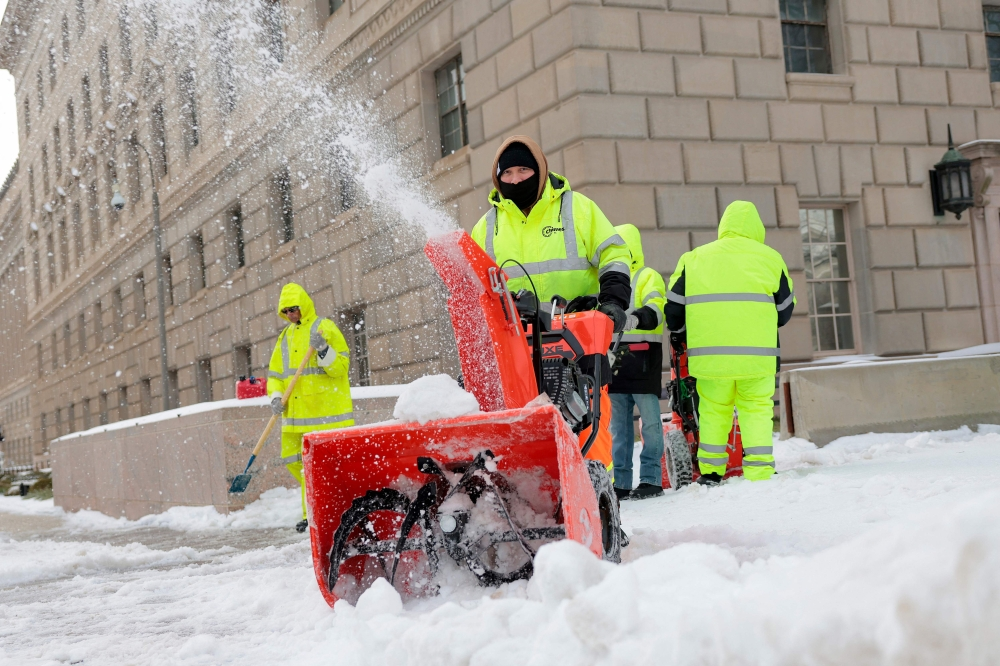
The storm brought heavy snowfall, exceeding 30 centimeters in some 20 states, placing immense strain on power grids. According to the specialized website poweroutage.us, more than 530,000 customers were without power Tuesday morning, with outages concentrated in southern states unaccustomed to such severe conditions. Tennessee (over 175,000 customers), Mississippi (over 140,000 customers), and Louisiana (around 100,000 customers) were among the hardest hit, with ice buildup on power lines and trees causing them to collapse. Authorities warned that power restoration could take several days due to the difficulty of accessing affected areas and the continued adverse weather conditions.
Regional and international influences
The storm's impact wasn't limited to the local level; it caused widespread disruption to transportation both nationally and internationally. A state of emergency was declared in dozens of states, and more than 22,000 flights have been canceled since Saturday, with thousands more delayed. The closure of major airports in cities like New York, Washington, D.C., and Philadelphia has led to passenger congestion and disrupted global supply chains that rely on air freight. This paralysis is negatively impacting the economy, causing billions of dollars in losses due to business disruptions and delayed shipments.
Tragic human toll
The deaths were spread across several states and were a direct result of the severe weather conditions. In Texas, a 16-year-old girl died in a skiing accident, while two people in Louisiana died from hypothermia. Maine also experienced a tragic plane crash during takeoff in a snowstorm, killing seven of the eight people on board. Emergency crews continue to face significant challenges responding to emergencies due to icy roads and high winds that reduce visibility and make travel nearly impossible in some areas.