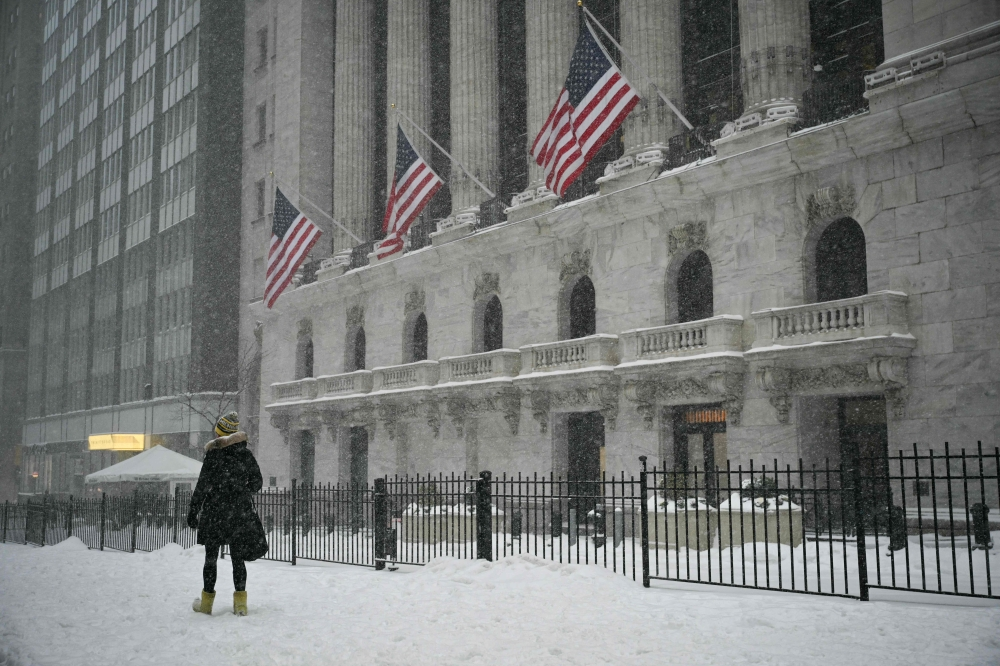
A powerful polar storm brought extremely dangerous weather conditions across vast swaths of the United States, from Texas in the south to New England in the northeast. The storm brought daily life to a near standstill, with authorities issuing strong warnings for residents to avoid roads, airports canceling thousands of flights, and hundreds of thousands of homes and businesses plunged into darkness due to widespread power outages.
Background of the phenomenon: The polar vortex and its effects
These extreme weather events are known to be the result of a weakening or fluctuating polar vortex, a massive system of cold, low-pressure air that normally circulates over the North and South Poles. When this vortex weakens, extremely cold polar air masses can surge southward, reaching areas that don't usually experience such drastic temperature drops, such as the southern United States. This sudden influx of freezing air is what's causing the blizzards and freezing rain currently gripping the country, turning roads into treacherous icy tracks and posing a significant challenge to infrastructure.
Widespread impacts on infrastructure and daily life
The storm's most significant impact was the immense strain it placed on power grids. According to data from websites that track power outages, more than 700,000 customers were affected, mostly in southern states like Tennessee, Texas, Mississippi, and Louisiana, where the grids were not designed to withstand this type of extreme weather. Authorities in more than 20 states, as well as Washington, D.C., urged residents to stay home for their safety and declared a state of emergency to facilitate a rapid response to the crisis.
On the transportation front, flight tracking data showed the cancellation of more than 10,000 domestic and international flights, causing widespread disruption for travelers. The National Weather Service also warned that the danger would not end with the cessation of snowfall, but would persist for several more days. The agency explained that repeated freezes would maintain icy surfaces, making driving and walking hazardous for the foreseeable future.
Importance and future implications
This polar storm once again highlights the vulnerability of infrastructure to extreme weather events, which are becoming more frequent and intense due to climate change. These events raise questions about the need to modernize power grids and develop more effective emergency plans to deal with such crises. Economically, the storm is expected to cause significant losses due to business disruptions, supply chain outages, and the costs of repairing damage to property and infrastructure.