Stunning ice scenes in New York
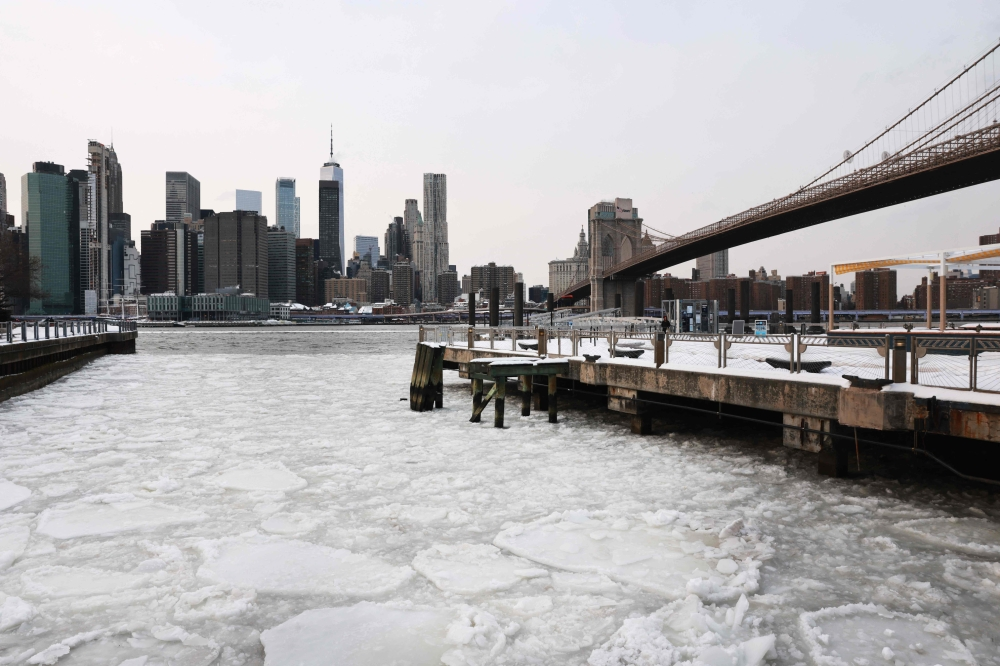
In an unusual scene, New York City residents awoke to find sections of the iconic East River frozen along the Brooklyn shoreline, following a severe polar vortex that battered the East Coast of the United States. The city was blanketed in pristine white, with snow reaching depths of over a foot in some areas, transforming its bustling landmarks into a silent and majestic winter landscape. This phenomenon, which attracted photographers' lenses, was but a small reflection of the immense power of the storm that swept across vast swaths of the country.
Background of polar storms and their impact
These extreme weather phenomena, often known as polar vortices or bomb cyclones, occur when a mass of very cold air rushes south from the Arctic, causing a sharp and catastrophic drop in temperatures. Historically, the United States has experienced devastating winter storms, but experts say climate change could increase the frequency and intensity of these extreme events. The recent storm was one of the worst in recent decades, bringing not only heavy snowfall but also fierce winds and dangerous freezing temperatures that threatened lives and infrastructure.
Widespread repercussions across the United States
New York was not alone in facing this severe weather. The winter storm's impact extended across vast areas of the United States, leaving a trail of tragedy in its wake. Authorities reported at least 35 deaths in various incidents directly related to the storm, including fatal traffic accidents on icy roads and deaths from exposure to the extreme cold. The storm also caused widespread power outages affecting hundreds of thousands of homes and businesses, adding to the hardship faced by residents in dangerously low temperatures.
Paralysis in transportation and economic impact
The transportation sector was among the hardest hit, with major airports in cities like New York, Washington, D.C., and Philadelphia becoming virtual ghost towns. According to flight tracking data, more than 19,000 flights were canceled in just a few days, with thousands more delayed, disrupting both international and domestic travel and leaving millions stranded. This paralysis not only affected individuals but also had a significant economic impact on airlines and related service sectors, as well as disrupting land-based supply chains. The National Weather Service renewed its warnings to the public, emphasizing the continued risk of frost and life-threatening low temperatures, and urging everyone to take extreme precautions.