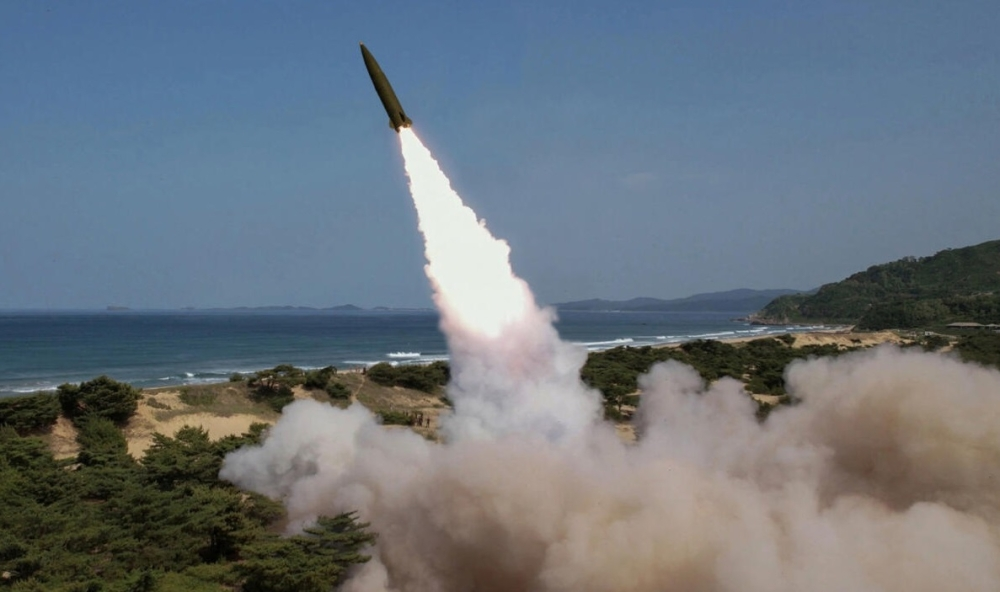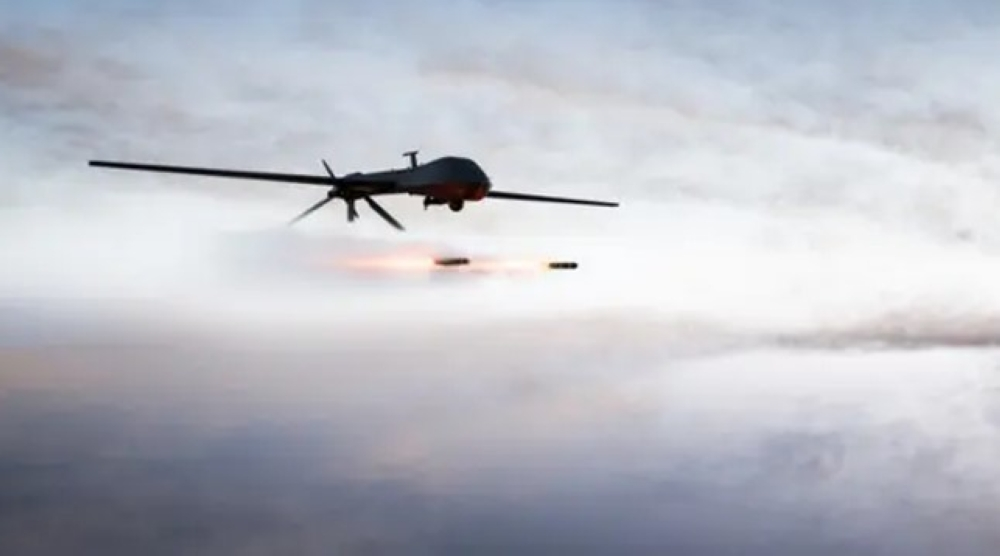
In a strategic move aimed at reshaping the defense security landscape in Europe, Polish Defense Minister Władysław Kościaniak-Kamic announced that his country is set to sign a landmark contract by the end of January to establish the largest anti-drone system in Europe . This announcement comes as part of a comprehensive plan to fortify Poland's eastern borders, which also constitute the eastern border of NATO and the European Union.
Details of the massive defense project
The Polish minister confirmed to the newspaper Gazeta Wyborcza that negotiations between the Polish Armaments Agency and an international consortium have been finalized, addressing an "urgent operational need." The new system is slated to integrate advanced technologies from local suppliers in collaboration with leading global companies. While the final contract value was not disclosed in the recent statement, previous government estimates suggest that the cost of building a comprehensive anti-drone system could reach approximately two billion euros .
The minister pointed to the existing cooperation with major companies, recalling a previous contract signed with the American "Andorel" group, in addition to ongoing talks with the Norwegian company "Kongsberg", reflecting Warsaw's desire to diversify its sources of defense technology to ensure maximum effectiveness.
A tense geopolitical context and unprecedented reinforcements
This announcement cannot be separated from the volatile geopolitical context of the region. Poland occupies a sensitive geographical position, sharing borders with Ukraine, which is facing a Russian invasion, as well as with Belarus and Russia's Kaliningrad region. These challenges have prompted Warsaw to increase its defense spending to nearly 5% of its GDP , the highest percentage among NATO members, surpassing even the United States.
Poland faces increasing threats ranging from cyberattacks and pressure through illegal immigration orchestrated by Belarus, to frequent airspace incursions by Russian missiles and drones that have gone astray or briefly penetrated Polish airspace, making airspace security a top priority for Polish national security.
Cooperation with Ukraine and the lessons of war
The Polish military leadership is closely monitoring developments in the drone war in Ukraine, which has demonstrated that drones are a decisive weapon in modern warfare. In this context, Warsaw has shown considerable interest in Ukrainian drone technology, which has developed remarkably during the four years of conflict.
In the context of continued support for Kyiv, Poland recently offered to hand over its remaining Soviet-made MiG-29 fighter jets to Ukraine, provided that the protection of Polish airspace is guaranteed by the Allies, thus confirming Warsaw’s commitment to supporting its neighbor while ensuring that its own defenses are not exposed.