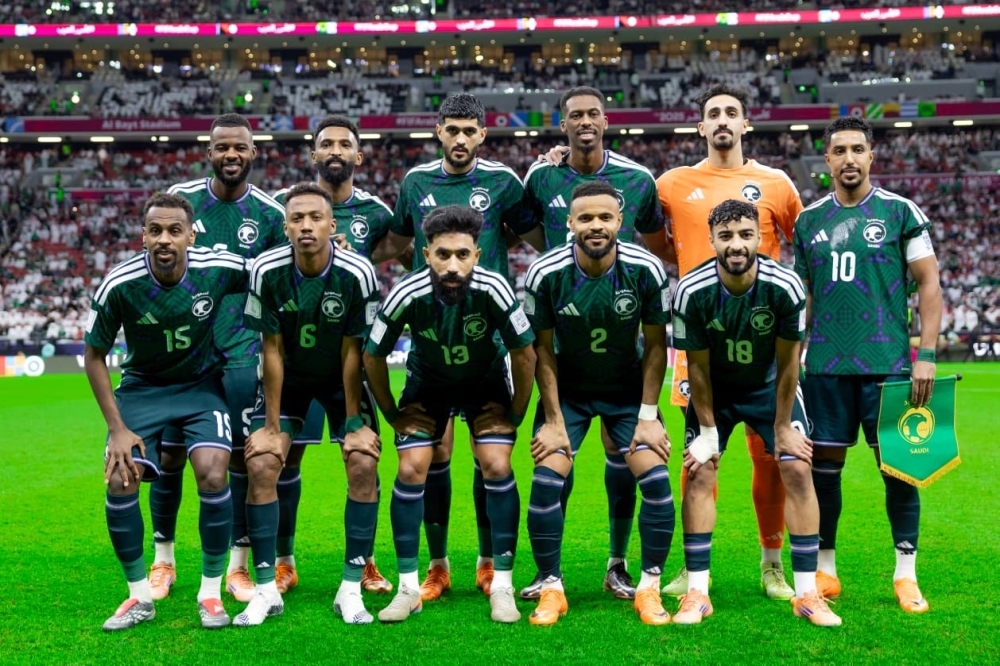
As the third year draws to a close since the Saudi Public Investment Fund (PIF) acquired a 75% stake in the four major Saudi football clubs (Al-Hilal, Al-Nassr, Al-Ittihad, and Al-Ahli), Saudi sports enter a new phase of radical transformation. This move, a cornerstone of the investment and privatization project for sports clubs, was not merely an acquisition deal, but the beginning of a new era aimed at completely restructuring the sports sector to align with the goals of Saudi Vision 2030.
Historical background: From debt to financial sustainability
Before the Public Investment Fund's intervention, Saudi clubs had long struggled with complex financial and administrative challenges. Accumulated debt and administrative disarray hampered their global competitiveness and development. The privatization project was part of a broader vision launched by Crown Prince Mohammed bin Salman, aimed at diversifying the economy, raising the quality of life, and enhancing the Kingdom's position as a global sporting destination. The primary objective was to transform clubs from entities dependent on government subsidies into sustainable, profit-generating commercial enterprises.
Fund strategy: Professional governance and preparation for sale
The Public Investment Fund (PIF), one of the world's largest sovereign wealth funds, is implementing a meticulous strategy to develop the four clubs. Under the leadership of Governor Yasir Al-Rumayyan and a dedicated team including prominent figures such as Deputy Governor Yazid Al-Humaid and Mishari Al-Ibrahim, who heads the entertainment, tourism, and sports sector, the foundations for top-tier financial and administrative governance have been laid. Drawing on its successful acquisition of Newcastle United, the PIF has focused on appointing world-class management, from CEOs to sporting directors, while also empowering qualified Saudi talent.
The ultimate goal is not to manage clubs indefinitely, but to prepare them to become attractive investment assets for the private sector. The fund works to build strong administrative structures, establish transparent financial systems, and develop club brands to increase their market value, paving the way for their eventual sale to new investors.
The direct impact and future of privatization
The initial results of this transformation were remarkable. The Saudi Professional League witnessed a qualitative leap by attracting international stars, which increased its global viewership to unprecedented levels. This momentum would not have been possible without the financial support and strategic planning provided by the Public Investment Fund and the recruitment committee. Today, the Saudi sports community awaits the next step: when and how will the Fund's stakes in the clubs be sold?
Speculation has begun to surface, with reports circulating about the interest of major investors, such as Prince Alwaleed bin Talal, in acquiring prominent clubs like Al-Hilal, and the emergence of other businessmen linked to Al-Ittihad. These indicators confirm that preparations for privatization are proceeding as planned. The public awaits official clarification from the fund's leadership regarding the sale mechanism and the expected timeline, as well as a review of the achievements made in governance and development over the past years.
This project represents a historic transformation for Saudi football, moving it from amateurism to full professionalism, and from dependence on support to economic sustainability, thus creating a new legacy to add to the record of achievements of Vision 2030.