تحذيرات متصاعدة من نشاط بركان مايون
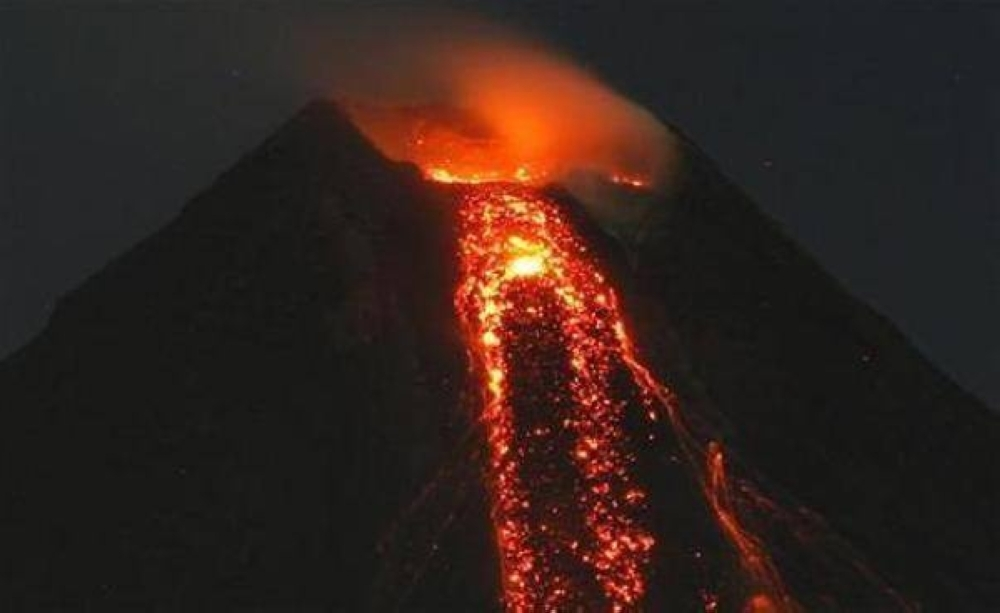
أصدر المعهد الفلبيني لعلم البراكين والزلازل (PHIVOLCS) تحذيرات متجددة بشأن تصاعد النشاط في بركان “مايون”، أحد أكثر البراكين نشاطًا في البلاد. ودعا المعهد المواطنين والمقيمين إلى الالتزام الصارم بمنطقة الخطر الدائم المحيطة بالبركان، والتي يبلغ قطرها ستة كيلومترات، محذرًا من احتمال حدوث ثوران خطير ومفاجئ. وتأتي هذه التحذيرات في ظل رصد زيادة ملحوظة في الأنشطة الزلزالية والبركانية، حيث سجلت الأجهزة خلال الـ 24 ساعة الماضية ما يصل إلى 340 حالة تساقط للصخور، و45 تدفقًا للفتات البركاني، بالإضافة إلى 13 زلزالًا بركانيًا، وهي مؤشرات واضحة على اضطراب الصهارة تحت البركان.
سياق جيولوجي وتاريخ حافل بالثورانات
يقع بركان مايون في مقاطعة ألباي، وهو جزء من “حزام النار” في المحيط الهادئ، وهي منطقة تشهد نشاطًا زلزاليًا وبركانيًا مكثفًا بسبب حركة الصفائح التكتونية. يشتهر البركان بشكله المخروطي شبه المثالي، الذي جعله وجهة سياحية عالمية ومتنزهًا وطنيًا. ومع ذلك، يخفي هذا الجمال تاريخًا عنيفًا، حيث ثار البركان أكثر من 50 مرة خلال الأربعمائة عام الماضية. يُعد ثورانه في عام 1814 الأكثر تدميرًا في تاريخه المسجل، حيث أودى بحياة أكثر من 1200 شخص ودمر بلدة كاغساوا بأكملها، ولم يتبق منها سوى برج كنيستها كشاهد صامت على الكارثة. وكان آخر ثوران كبير له في يونيو 2023، مما استدعى إجلاء ما يقرب من 20 ألف شخص من منازلهم.
الأهمية والتأثيرات المتوقعة محليًا ودوليًا
إن أي ثوران كبير لبركان مايون يحمل في طياته تداعيات وخيمة على المستويين المحلي والإقليمي. محليًا، يواجه السكان في المناطق المجاورة تهديدات مباشرة من تدفقات الحمم البركانية، والانهيارات الصخرية، وتدفقات الفتات البركاني (Pyroclastic flows) شديدة الحرارة وسريعة الحركة، بالإضافة إلى تدفقات الطين البركاني (Lahars) التي يمكن أن تحدث بسبب الأمطار الغزيرة. كما يؤدي تساقط الرماد البركاني إلى تلوث مصادر المياه، وتدمير المحاصيل الزراعية، وتعطيل الحياة اليومية والبنية التحتية. أما على المستوى الإقليمي والدولي، فإن سحب الرماد البركاني الكثيفة يمكن أن تشكل خطرًا كبيرًا على حركة الطيران، مما قد يؤدي إلى إلغاء الرحلات الجوية وتغيير مساراتها في منطقة جنوب شرق آسيا. وتستنفر السلطات الفلبينية كافة أجهزتها لإدارة الأزمة، وتجهيز مراكز الإيواء، وتنسيق جهود الإغاثة بدعم محتمل من المنظمات الدولية في حال تفاقم الوضع.