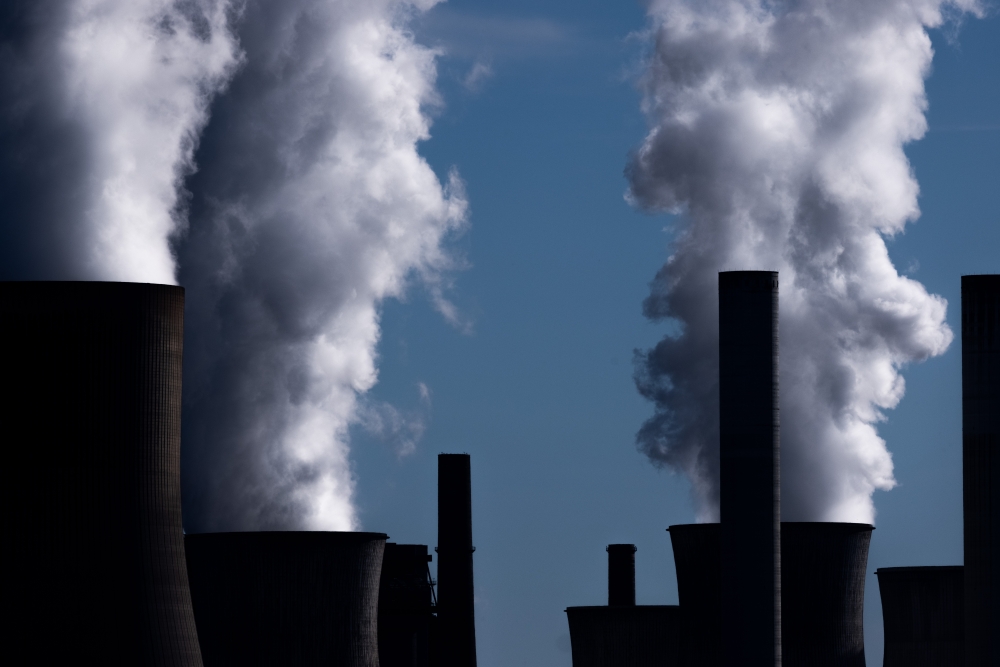
The Philippines is facing mounting economic challenges that have prompted it to take decisive action. The Philippine Department of Energy has announced urgent plans to increase coal-fired power generation capacity. This strategic move comes as a serious attempt to curb the continued rise in energy prices, which has recently been exacerbated by the negative repercussions of geopolitical tensions in the Middle East and their direct impact on global liquefied natural gas (LNG) supply chains and shipments.
The historical context of the electricity crisis in the Philippine archipelago
To understand the roots of this crisis, one must examine the Philippines' energy infrastructure. Historically, the country of approximately 116 million people has suffered from frequent power outages, negatively impacting economic growth and the daily lives of its citizens. Electricity costs in the Philippines are among the highest in Southeast Asia, due to its heavy reliance on imported fuel to power its electricity plants. For decades, coal has been the cornerstone of the national grid, currently generating about 60% of the country's total electricity, making its phase-out in the short term an extremely difficult challenge.
Justifications for the move towards increasing coal-fired power plant production
Under these complex circumstances, Sharon Garin, an official at the Philippine Department of Energy, stated that the sharp rise in the cost of liquefied natural gas (LNG) will force the country to take exceptional measures. She explained that the Philippines will be forced to rely more heavily on fossil fuels, specifically by increasing production at coal-fired power plants , despite fully recognizing that this option presents an environmental challenge as coal is one of the world's largest polluters.
Garin added that the ministry held extensive talks with power generation companies to assess the operational capacity of existing plants and the feasibility of increasing their production capacity. This temporary measure is expected to take effect on April 1st, as a proactive step to ensure the stability of the electricity grid during peak demand periods.
Economic and regional impacts of the decision
This approach has far-reaching implications both domestically and regionally. Domestically, the Philippine government hopes this measure will curb inflation and ease the financial burden on consumers and the industrial sector. Garin also emphasized that if the plan succeeds, the country will at least be able to mitigate the impact of rising electricity prices linked to fluctuations in global energy markets.
Regionally, this decision strengthens trade ties with neighboring countries, particularly Indonesia, one of the world's largest coal exporters and a major supplier to the Philippines. Manila aims to maximize the use of domestic coal while reserving the right to increase its imports from Indonesia. The Philippines has received official assurances from Jakarta that no restrictions or bans will be imposed on coal export applications, ensuring the continued flow of this vital energy supply and supporting economic stability across the region.