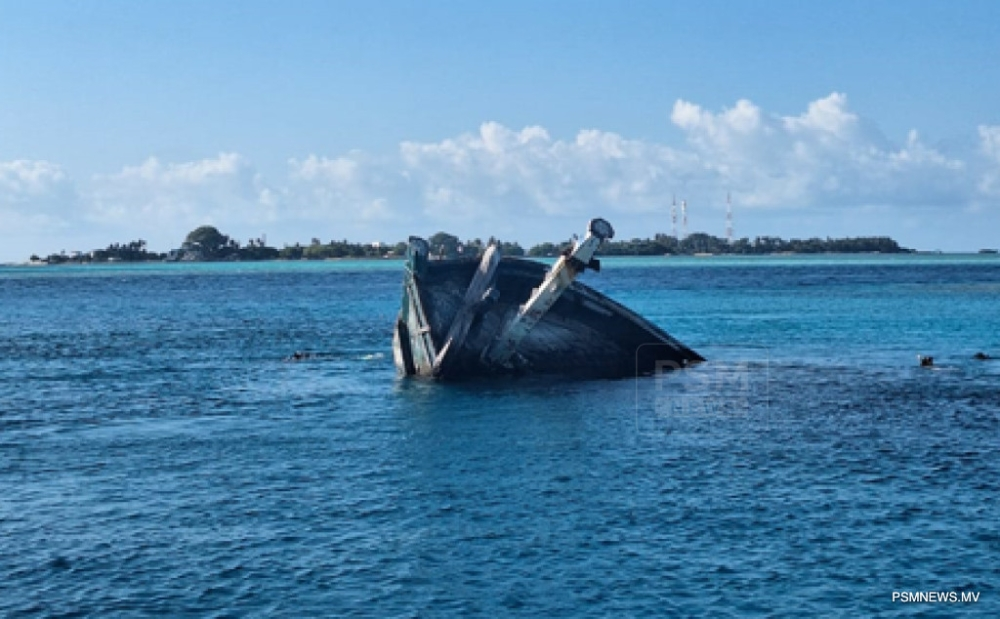
في حادث مأساوي جديد يضاف إلى سجل السلامة البحرية في الفلبين، أعلن خفر السواحل الفلبيني عن انتشال 11 جثة إضافية اليوم، مما يرفع الحصيلة المؤكدة لضحايا غرق عبارة قبالة سواحل جزيرة مينداناو جنوب غرب البلاد إلى 29 قتيلاً. كانت السفينة المنكوبة، “إم في تريشا كيرستين 3″، تقل على متنها ما لا يقل عن 344 شخصًا، من بينهم الركاب وأفراد الطاقم، عندما غرقت يوم الاثنين في ظروف لا تزال قيد التحقيق.
السياق العام وتاريخ الحوادث البحرية
تُعد هذه الكارثة حلقة جديدة في سلسلة طويلة من الحوادث البحرية المميتة التي تشهدها الفلبين. وباعتبارها دولة أرخبيلية تتألف من أكثر من 7100 جزيرة، يعتمد ملايين الفلبينيين بشكل أساسي على العبّارات والسفن كوسيلة نقل رئيسية للتنقل بين الجزر. إلا أن هذا الاعتماد الكبير يقابله واقع مؤلم يتمثل في ضعف معايير السلامة، حيث تعاني الكثير من السفن من سوء الصيانة والتقادم، وغالباً ما يتم تجاهل لوائح الحمولة القصوى، مما يؤدي إلى تكدس الركاب والبضائع بشكل خطير. كما أن العواصف والأعاصير الاستوائية التي تضرب المنطقة بانتظام تزيد من مخاطر السفر البحري.
وتحمل الذاكرة الفلبينية ندوباً عميقة من كوارث سابقة، أبرزها غرق العبارة “دونا باز” عام 1987 بعد اصطدامها بناقلة نفط، وهو الحادث الذي يعتبر أسوأ كارثة بحرية في زمن السلم في التاريخ، حيث أودى بحياة أكثر من 4000 شخص. هذه الحوادث المتكررة تسلط الضوء على تحديات هيكلية تواجهها السلطات في فرض رقابة صارمة على قطاع النقل البحري المترامي الأطراف.
أهمية الحدث وتأثيره المتوقع
على المستوى المحلي، تترك هذه الفاجعة أثراً عميقاً على مجتمعات الضحايا، حيث تبدأ العائلات في مواجهة حقيقة فقدان أحبائها بينما تستمر عمليات البحث والإنقاذ في محاولة للعثور على أي ناجين محتملين أو انتشال جثث المفقودين. وقد صرحت متحدثة باسم خفر السواحل لإذاعة محلية بأن عدد المفقودين لا يزال غير مؤكد، مما يزيد من قلق الأهالي. ومن المتوقع أن يثير الحادث دعوات شعبية وبرلمانية لإجراء تحقيق شامل ومحاسبة المسؤولين عن أي إهمال قد يكون أدى إلى وقوع الكارثة.
أما على الصعيدين الإقليمي والدولي، فإن الحادث يعزز الصورة السلبية لسجل السلامة البحرية في الفلبين، وقد يؤثر على قطاع السياحة الذي يعتمد بشكل كبير على السمعة الآمنة لوسائل النقل. كما أنه يضع ضغوطاً متجددة على الحكومة الفلبينية لتحديث أسطولها البحري وتطبيق معايير السلامة الدولية بشكل أكثر حزماً، لمنع تكرار مثل هذه المآسي التي تحصد أرواح العشرات بشكل دوري.