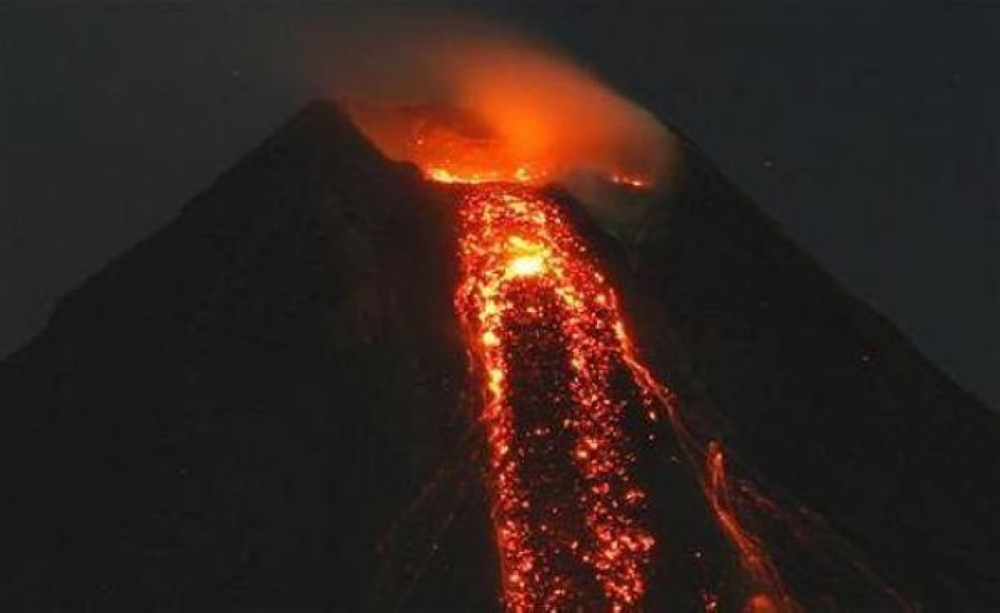
Philippine authorities announced today the start of large-scale evacuations involving about 3,000 villagers, in response to a series of volcanic eruptions and increased seismic activity at Mayon Volcano, one of the most active and dangerous volcanoes in the northeastern province of Albay.
The National Seismological and Volcanological Agency raised the alert level to 3 (out of 5), indicating high-level volcanic activity and the potential for a dangerous eruption within weeks or even days. This decision followed the detection of intermittent rockfalls and fast-moving volcanic flows, accompanied by extremely hot rocks, ash, and toxic gases flowing from the volcano's crater.
Geographical and historical context: The Philippines and the Ring of Fire
To understand the nature of this event, one must consider the geographical location of the Philippines. The Philippine archipelago lies within the Pacific Ring of Fire. This region is home to more than 75% of the world's active volcanoes and experiences approximately 90% of the world's recorded earthquakes. Mount Mayon, with its near-perfect cone shape, is a tourist gem, but it is also a dormant monster that awakens periodically, having recorded more than 50 eruptions over the past four centuries.
Potential risks and safety measures
The dangers of an eruption of Mount Mayon are not limited to lava flows; they also include mudflows known as lahars, especially if volcanic activity coincides with heavy rainfall, which could sweep away villages and crops in low-lying areas. Authorities have warned residents to stay away from the "permanent danger zone," which extends 6 kilometers in radius around the volcano, and this zone could be expanded if activity continues to escalate.
Local and regional impacts
This volcanic activity directly impacts the local economy of Albay province, which relies heavily on agriculture and tourism. While the volcano attracts tourists who can observe its eruptions from a safe distance, the volcanic ash can cause significant damage to crops and infrastructure, as well as disrupt regional air traffic, with authorities often having to reroute flights to avoid ash clouds that could damage aircraft engines.