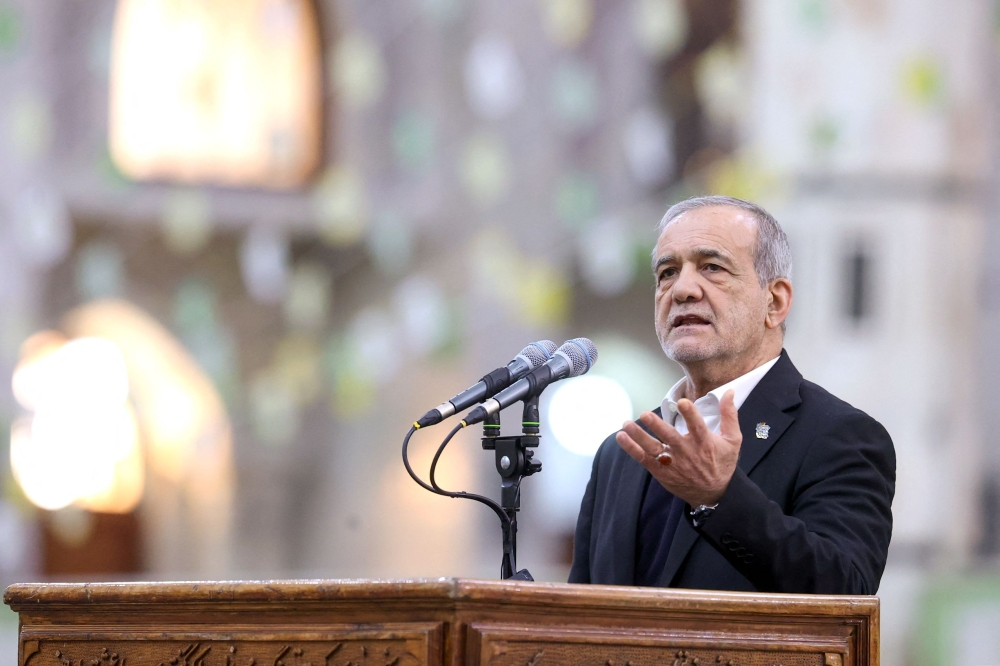
In a diplomatic move that could represent a major shift in Tehran's foreign policy, Iran's Fars News Agency reported on Monday that the new Iranian president, Masoud Pezeshkian, has ordered the start of direct talks with the United States regarding Iran's controversial nuclear program. The agency quoted a well-informed government source confirming that "President Masoud Pezeshkian has ordered the start of talks with the United States," adding that the discussions would focus primarily on the "nuclear issue," without specifying a timetable or location for these anticipated negotiations.
Historical background and tense context
This development comes amid years of heightened tensions between Tehran and Washington, which reached a peak after the United States unilaterally withdrew from the 2015 nuclear agreement, formally known as the Joint Comprehensive Plan of Action (JCPOA), under former President Donald Trump in 2018. This agreement, reached between Iran and the P5+1 group of world powers, aimed to curb Iran’s nuclear activities in exchange for the lifting of economic sanctions. Following the US withdrawal and the reimposition of crippling sanctions as part of a “maximum pressure” campaign, Iran responded by gradually reducing its commitments under the agreement and intensifying its uranium enrichment activities to higher purity levels, raising concerns among Western powers and the International Atomic Energy Agency.
The importance of the step and its expected impact
President Pezeshkian's initiative, coming so soon after he assumed office, is particularly significant given his reputation as a moderate reformist. This move is interpreted as an attempt by the new Iranian administration to find a way out of the crippling economic crisis the country is facing due to sanctions. Domestically, the success of these negotiations could alleviate the economic pressure on Iranian citizens and boost the new government's popularity.
Regionally, a return to the negotiating table could help reduce tensions in the volatile Middle East. Direct dialogue between Washington and Tehran could have a positive impact on other regional issues and pave the way for de-escalating proxy conflicts. Internationally, resuming talks presents an opportunity for the international community to avert a nuclear arms race in the region and revives hope for a diplomatic solution to one of the most complex issues on the global stage. However, the path to an agreement remains fraught with challenges, given the presence of hardliners in both countries who oppose any diplomatic rapprochement.