New statements open a window of hope
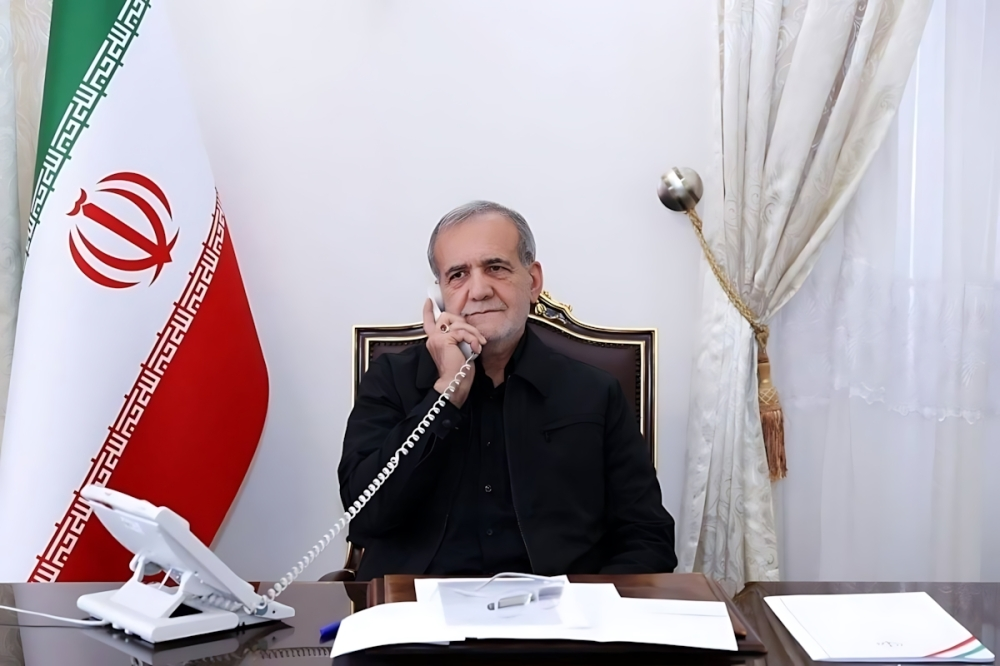
In a move that could represent a turning point in the Iranian nuclear issue, newly elected Iranian President Masoud Pezeshkian announced his country's full readiness to allow international verification that its nuclear program is not aimed at developing nuclear weapons. These significant statements coincided with a new round of indirect talks between Tehran and Washington in Geneva, lending them particular importance given the ongoing tensions.
The Iranian presidency's website quoted Pezeshkian as saying unequivocally: "We are absolutely not seeking to acquire nuclear weapons, and if anyone wants to verify this, we are ready for such verification procedures." This statement represents a clear signal to the international community, particularly the United States and Western powers, that Tehran may be willing to offer concrete guarantees in exchange for easing the crippling economic sanctions imposed upon it.
Historical background: From the nuclear agreement to the policy of maximum pressure
The roots of the current crisis can be traced back to 2015, when Iran and the P5+1 group—comprising the United States, Britain, France, Russia, China, and Germany—reached the Joint Comprehensive Plan of Action (JCPOA), commonly known as the Iran nuclear deal. Under this agreement, Iran agreed to strict limits on its nuclear activities, including uranium enrichment, in exchange for the lifting of international sanctions. However, this diplomatic process suffered a major setback in 2018 when then-US President Donald Trump unilaterally withdrew his country from the agreement and reimposed harsh sanctions as part of a “maximum pressure” campaign. In response, Iran began gradually reducing its compliance with the agreement, raising uranium enrichment levels to near-weapon-grade purity, a development that alarmed the International Atomic Energy Agency (IAEA) and world powers.
The significance and potential impact of the new statements
Pezeshkian's remarks are significant as they represent the first major diplomatic signal from his newly formed administration. Domestically, this move could bolster the position of the reformist movement to which Pezeshkian belongs, which advocates for openness to the West to resolve economic crises. Regionally, any progress in negotiations could contribute to easing tensions in the Middle East, particularly given the concerns of neighboring countries and Israel regarding Iran's nuclear ambitions. Internationally, the world is closely monitoring these developments, as a diplomatic solution would strengthen the global nuclear non-proliferation regime and could positively impact the stability of global energy markets.
Challenges and obstacles in the path of negotiations
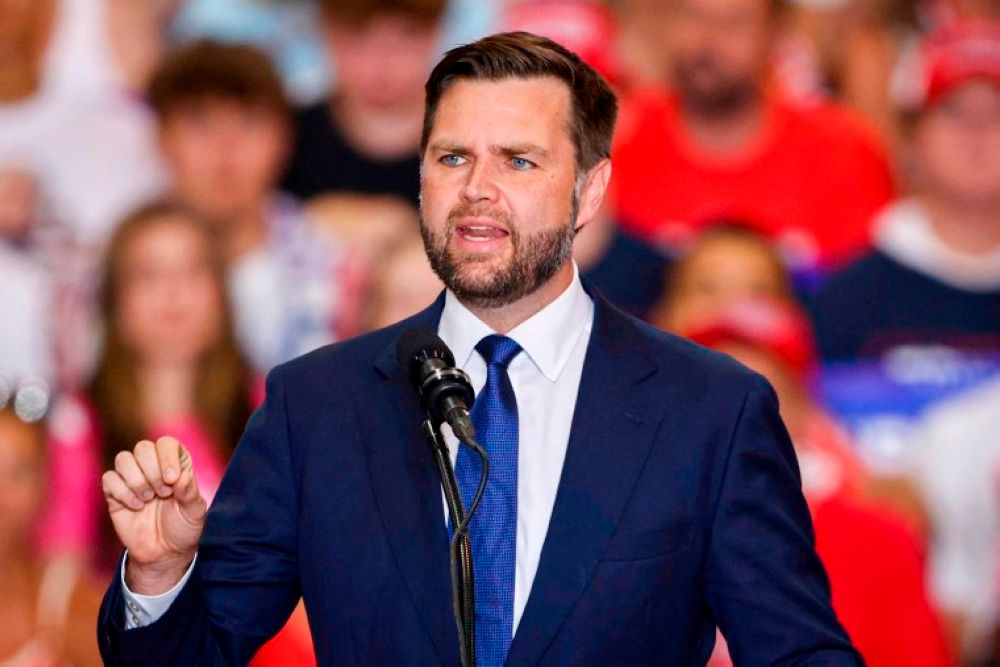
Despite these positive signs, the path to reviving the nuclear agreement or reaching a new understanding remains fraught with challenges. In Washington, US Vice President Jay D. Vance confirmed that Iran is still unwilling to accept the “red lines” set by the Trump administration, indicating that the final decision regarding continuing the diplomatic track or resorting to other options rests with the president. The most important question remains the extent to which the Pezeshkian administration can translate these statements into practical steps that gain the approval of Iran’s supreme religious establishment, which holds the ultimate say on major strategic issues.