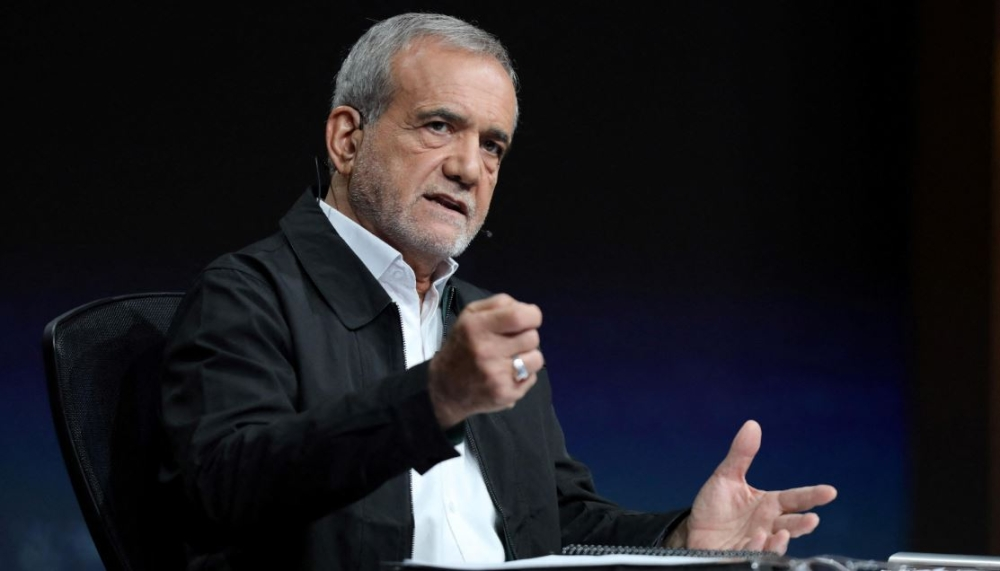
في تطور لافت يعكس تصاعد حدة التوتر في المشهد الإقليمي، وجه الرئيس الإيراني مسعود بزشكيان اتهامات مباشرة وصريحة إلى الولايات المتحدة وإسرائيل، محملًا إياهما المسؤولية الكاملة عن محاولة تأجيج الاضطرابات الداخلية التي تشهدها بلاده. وتأتي هذه التصريحات في وقت حساس تمر فيه الجمهورية الإسلامية بتحديات داخلية وخارجية معقدة، مما يضع المنطقة أمام سيناريوهات مفتوحة على كافة الاحتمالات.
اتهامات بالتدخل الخارجي وتدريب عناصر مسلحة
وخلال حديثه لهيئة الإذاعة والتليفزيون الإيرانية الرسمية، أكد بزشكيان أن ما يجري في الشارع ليس مجرد حراك عفوي، بل هو جزء من "حرب شاملة" تشنها قوى غربية وإقليمية. وأشار الرئيس الإيراني إلى أن السلطات تمتلك أدلة على قيام جهات خارجية بتدريب عناصر وتجنيدهم من الداخل والخارج لضرب استقرار البلاد، واصفًا من قاموا بأعمال عنف وحرق للمساجد بأنهم "إرهابيون" ولا يمتون للإنسانية بصلة.
وشدد بزشكيان على ضرورة التمييز الدقيق بين "الاحتجاج المشروع" الذي كفله الدستور، وبين "الشغب" الذي يستهدف أمن المجتمع. وقال في هذا السياق: "إن الاحتجاج حق للشعب، ومن واجبنا كحكومة أن نستمع للهواجس ونعمل على حل المشكلات، ولكن واجبنا الأكبر هو حماية الأمن القومي وعدم السماح لمثيري الشغب بزرع الفوضى"، داعيًا الشعب الإيراني إلى التكاتف والوعي بهذه المخططات.
السياق التاريخي: استراتيجية "إلقاء اللوم"
تاريخيًا، دأبت القيادة الإيرانية منذ ثورة 1979 على ربط الاحتجاجات الداخلية بالمؤامرات الخارجية، وهو ما يُعرف في الأدبيات السياسية الإيرانية بـ"الحرب الناعمة". ويرى مراقبون أن تصريحات بزشكيان تأتي استمرارًا لهذا النهج الرسمي الذي يعتبر أن أي حراك مطلبي يتم اختطافه فورًا من قبل "الأعداء"، وتحديدًا الولايات المتحدة وإسرائيل، بهدف إسقاط النظام من الداخل بدلاً من المواجهة العسكرية المباشرة.
التلويح الأمريكي بالخيار العسكري
في المقابل، وعلى الجانب الأمريكي، نقلت التقارير تصريحات للرئيس الأمريكي دونالد ترامب تشير إلى دراسة خيارات عسكرية ضد طهران، في ظل تقارير حقوقية تتحدث عن ارتفاع حصيلة الضحايا في الاحتجاجات. وصرح ترامب للصحفيين من على متن الطائرة الرئاسية بأن إدارته تتابع الوضع بجدية بالغة، مشيرًا إلى أن إيران ربما تكون قد تجاوزت الخطوط الحمراء في تعاملها العنيف مع المتظاهرين.
وأضاف ترامب: "نحن ندرس خيارات قوية جدًا، وسنتخذ قرارًا في هذا الشأن"، وهو ما يعكس رغبة واشنطن في ممارسة أقصى درجات الضغط على طهران، مستغلة الحراك الداخلي كأداة ضغط سياسي ودبلوماسي.
الأبعاد الإنسانية والمخاوف الدولية
على الصعيد الحقوقي، أفادت منظمات دولية بأن حصيلة القتلى في الاحتجاجات المستمرة منذ أسبوعين قد تجاوزت 192 قتيلًا، وسط تحذيرات من ارتكاب "مجزرة" بحق المتظاهرين. ويزيد هذا الوضع من تعقيد المشهد الدولي، حيث تجد طهران نفسها تحت مجهر الإدانات الحقوقية التي قد تمهد الطريق لعقوبات دولية جديدة، مما يفاقم الأزمة الاقتصادية التي تعد المحرك الأساسي للاحتجاجات.
تداعيات الأزمة على استقرار المنطقة
إن هذا التصعيد المتبادل بين طهران وواشنطن لا ينحصر تأثيره داخل الحدود الإيرانية فحسب، بل يلقي بظلاله القاتمة على استقرار منطقة الشرق الأوسط برمتها. فأي عمل عسكري محتمل أو زيادة في وتيرة الاضطرابات قد يؤدي إلى تحريك الجبهات الإقليمية عبر وكلاء إيران في المنطقة، مما يهدد أمن الطاقة العالمي وممرات الملاحة الدولية، ويضع المنطقة على حافة انفجار كبير.