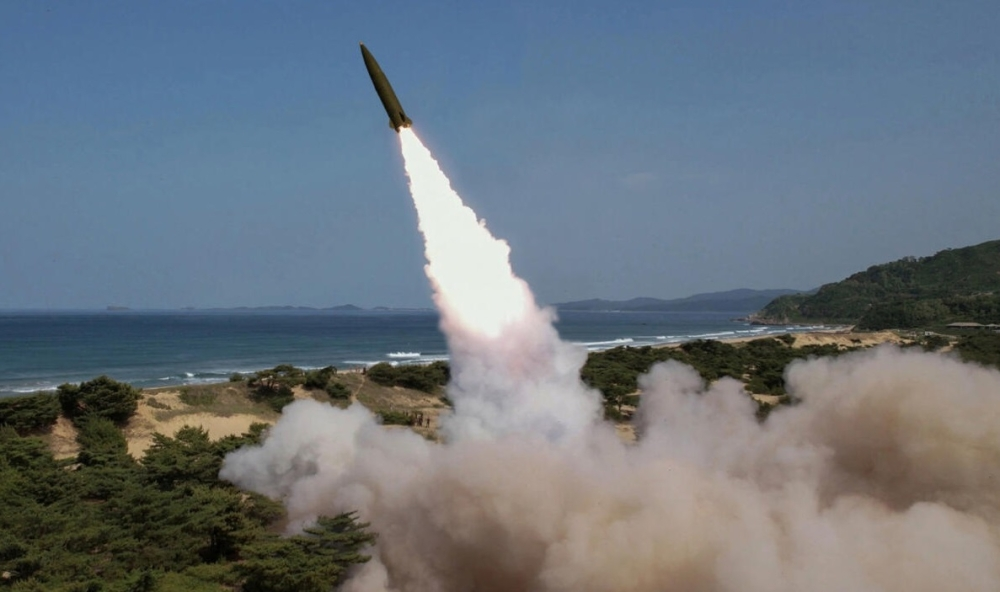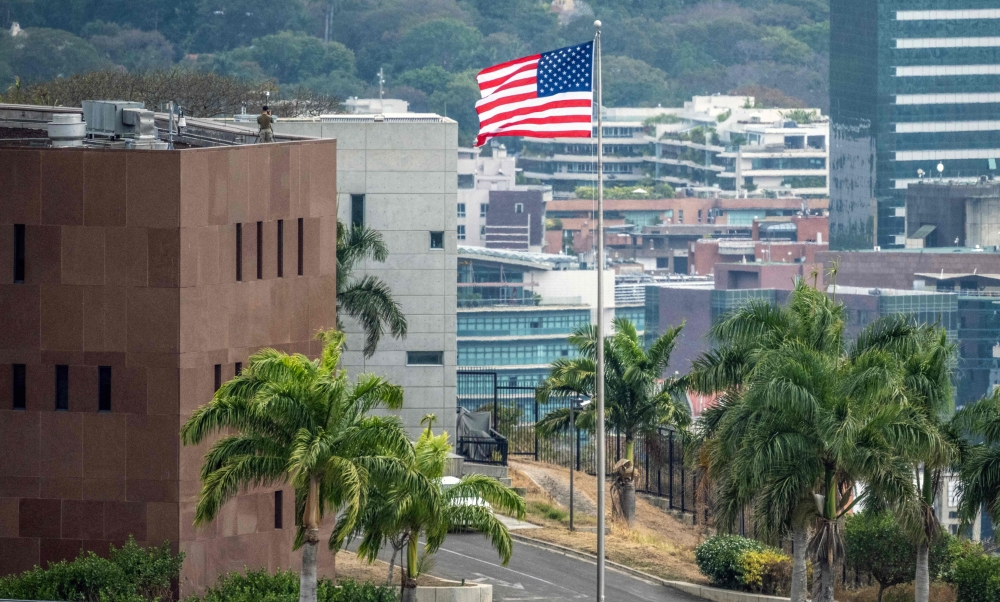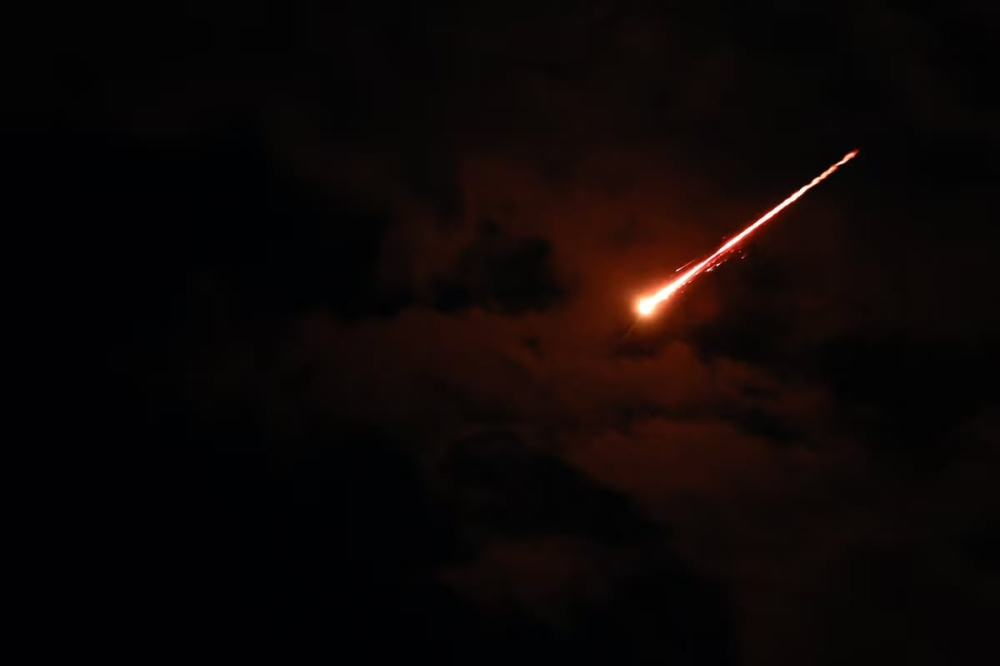
U.S. Central Command (CENTCOM) announced that its forces, in cooperation with regional and international allies, successfully repelled a large-scale Iranian attack involving hundreds of ballistic missiles and drones. The Pentagon confirmed in an official statement that the attack resulted in no U.S. casualties, noting that damage to U.S. sites was very limited and did not affect military operations in the region.
Background of the escalation and its historical context
This Iranian attack comes as a direct response to strikes attributed to Israel and the United States that targeted prominent Iranian sites and figures earlier. Among the most significant consequences of those strikes were the deaths of key figures, including the son-in-law of Iranian Supreme Leader Ali Khamenei and his daughter-in-law, according to media reports cited by Reuters, which quoted officials in Tehran. This escalation represents a new chapter in the years-long "shadow war" between Iran on one side, and the United States and Israel on the other, a conflict that has included cyberattacks, attacks on ships, and assassinations of military and scientific figures.
The importance of the event and its expected impact
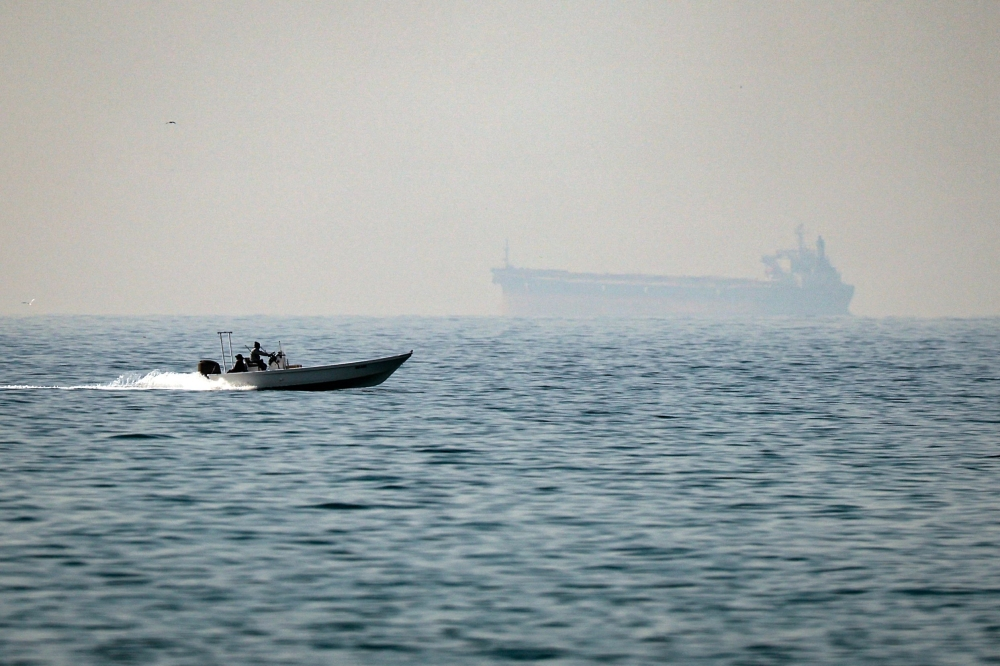
Regionally, this direct exchange of fire raises serious concerns about a wider war that could draw in other Middle Eastern countries. The danger lies in the fact that any miscalculation by either side could lead to an uncontrollable spiral of violence, threatening the stability of the entire region and impacting the security of vital waterways such as the Strait of Hormuz. The successful aerial interception demonstrated a high level of military coordination between the United States and its allies, sending a clear deterrent message to Tehran about their joint defense capabilities.
Internationally, world powers are watching the situation with great concern, issuing numerous calls for restraint and de-escalation. This tension is directly impacting global energy markets, with fears of conflict driving up oil prices. The incident is also placing diplomatic pressure on the United Nations and major powers to intervene as mediators to prevent the crisis from worsening. While Washington emphasizes its defensive capabilities, it faces the challenge of how to respond to the Iranian attack without triggering a full-blown war, leaving the region teetering on the brink, awaiting the next steps.