Iran experienced a limited and gradual return of internet services on Sunday, following a ten-day blackout during which authorities imposed a nationwide digital lockdown. Internet monitoring organizations reported a slight improvement in connectivity, although many platforms and websites remained blocked. This development coincided with authorities announcing a return to relative calm.
Details of blocking and limited return
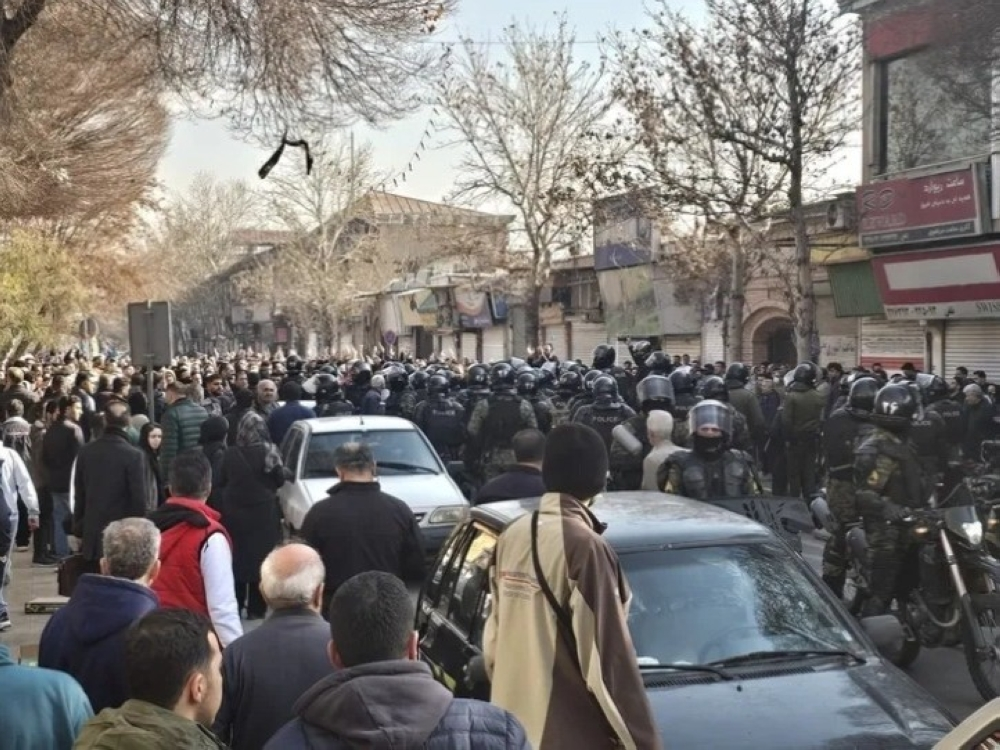
The current communications crisis began with an unprecedented blackout on the night of January 8, a government measure to control the flow of information as popular protests spread. This strategy is a recurring pattern employed by Tehran during periods of internal unrest, where communication with the outside world is severed to prevent protesters from organizing or documenting and disseminating videos showing the security forces' treatment of demonstrators.
The protests first erupted on December 28, initially driven by deteriorating living and economic conditions, before the demands quickly escalated into political slogans against the regime that has been in place since 1979, presenting the authorities with complex security and political challenges.
Comparison with the 2022 protests and the effects of repression
Observers believe the current wave of protests poses the greatest challenge to the Iranian leadership since the widespread demonstrations of late 2012, which erupted following the death of young woman Mahsa Amini while in the custody of the morality police. In both cases, the internet played a pivotal role in amplifying the voice of the people, making its suppression a security priority for the authorities.
While Iranian official sources describe these events as "riots" led by "saboteurs" with foreign support, international human rights organizations assert that the internet blackout was a cover for a widespread crackdown. These organizations report that thousands have been killed in the past ten days, a figure difficult to accurately document given the media and digital blackout.
The economic and social repercussions of isolation
Beyond the legal and political dimensions, internet shutdowns in Iran are causing significant economic losses. A large segment of small and medium-sized enterprises (SMEs), startups, and e-commerce businesses rely on a stable network. The ongoing blackout is paralyzing financial and commercial transactions, exacerbating the economic crisis that was a primary cause of the protests in the first place.
With the announcement that schools will reopen on Sunday after a week of closure, the government is trying to send reassuring messages that life has returned to normal. However, the partial and restricted return of the internet indicates that security concerns still dominate the scene, and that digital surveillance will remain a key tool in managing internal crises.