The Saudi Consumer Protection Association has unveiled a comprehensive package of measures aimed at clarifying the rights of parents in private and foreign education institutions. This initiative, undertaken in cooperation with the Ministry of Education, seeks to enhance transparency, regulate practices within educational institutions, and ensure a safe and controlled environment that protects the rights of both students and their families.
The development of the education sector in the Kingdom and ensuring the rights of parents in private education
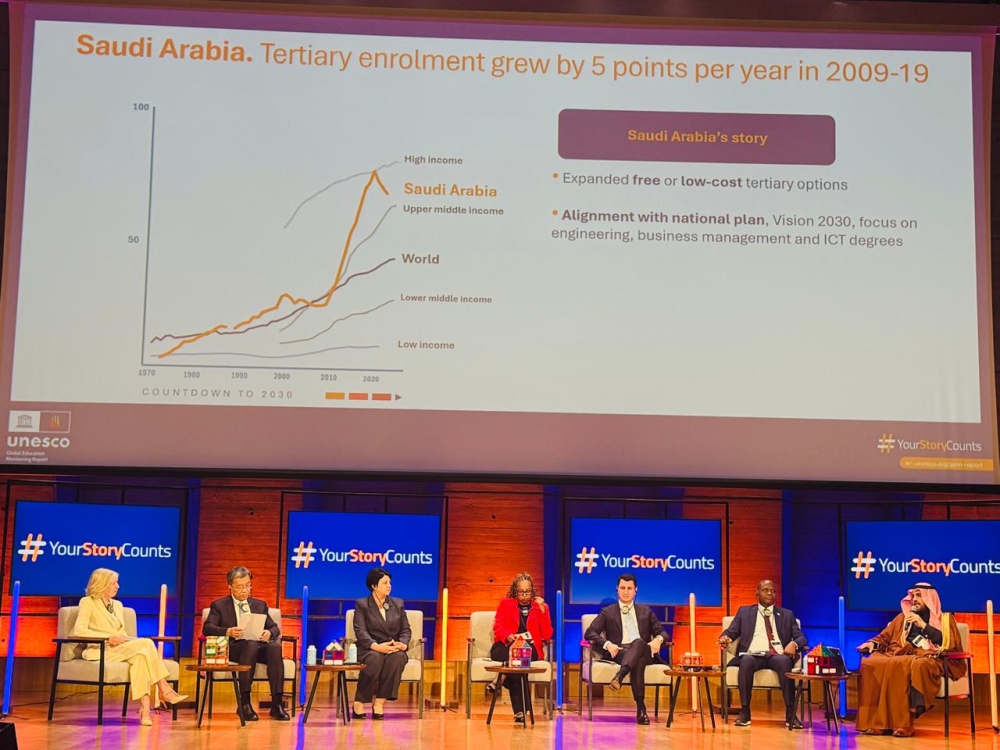
Historically, the private education sector in Saudi Arabia has undergone radical transformations, particularly with the launch of Vision 2030, which prioritizes the quality of education and the development of human capital. In the past, the relationship between private schools and parents sometimes lacked precise regulatory frameworks, leading to discrepancies in fees and services. With the increasing reliance on the private sector as a strategic partner in the educational renaissance, it became essential to establish clear rules to protect consumers. These modern regulations represent the culmination of years of diligent government efforts to organize contractual, financial, and educational relationships, achieving a balance between the quality of educational services and protecting consumers from any practices that might infringe upon their rights.
Local and regional impact of regulating the private education sector
The importance of these decisions extends beyond domestic affairs, serving as a regional model to be emulated. Domestically, these regulations contribute to the financial stability of Saudi and resident families by preventing sudden increases in tuition fees, thus enabling families to plan their finances effectively and proactively. Regionally, the rigor and clarity of these regulations position the Kingdom among the leading countries in education governance within the Gulf and Middle East, enhancing the attractiveness of investment in the Saudi education sector based on competitive and equitable standards that guarantee the rights of all stakeholders.
Advance notice of tuition fees and documentation of binding contracts
The association affirmed that one of the most prominent rights of parents, as consumers of educational services, is the right to receive prior notification of any increase in tuition fees. This includes the obligation to inform them of any decision regarding fee adjustments approved by the Ministry before the end of the academic year, in accordance with the timeframe specified in the regulations governing private schools. The regulations also require schools to set fees for the following year at least three months before the start of the academic year, prohibiting any modification or increase during the year. Furthermore, the association emphasized the parent's right to enter into a formal contract with the school and to review all its terms before signing. This contract serves as the sole legal reference in case of any dispute, and fees must be collected exclusively under its provisions to curb irregular financial practices.
Grievance mechanisms and consumer protection against unauthorized fees
To ensure compliance with these regulations, the association clarified that parents have the full right to file a complaint through the private education portal if any unauthorized increase in tuition fees is imposed. Subcommittees within the education departments will review these complaints and issue decisive rulings, notifying all parties of the outcome. If the school fails to comply, the prescribed penalties will be applied to ensure that families are not burdened with any unexpected financial obligations.
Commitment to national values and providing a sound educational environment
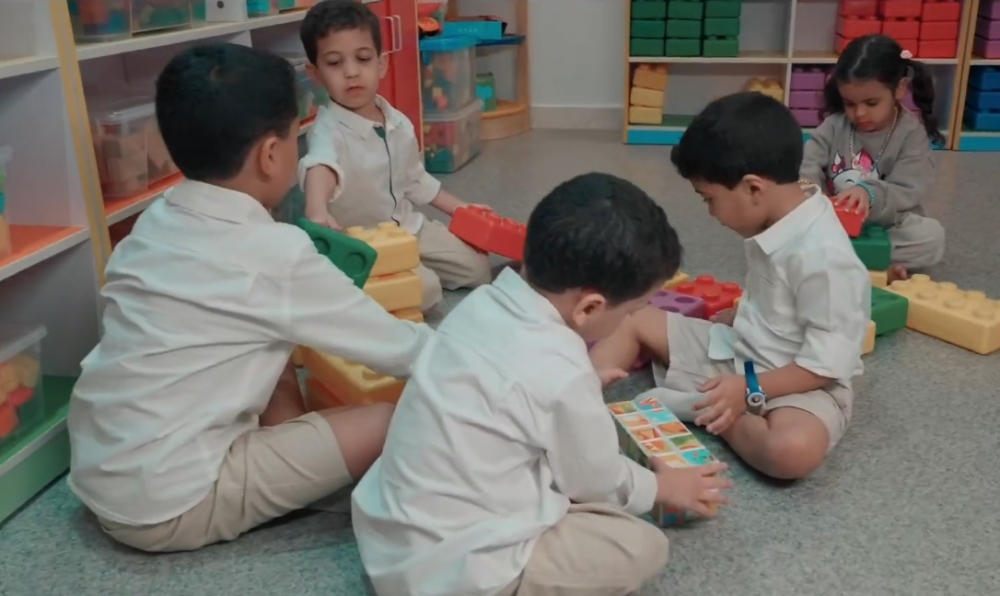
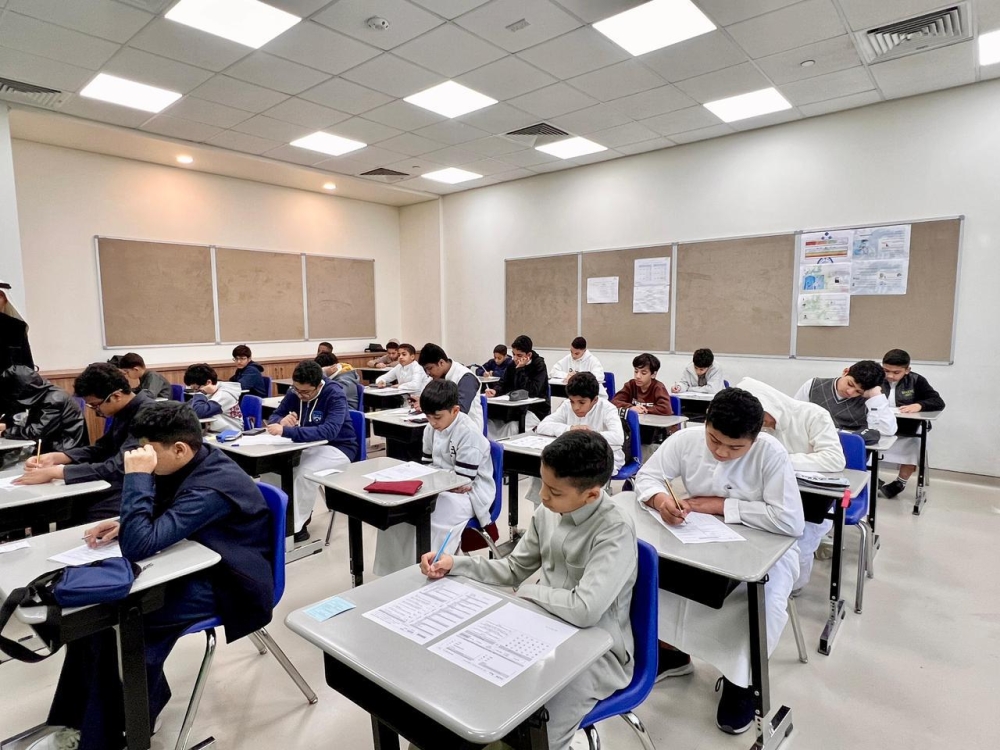
The regulations emphasized schools' commitment to respecting the Kingdom's religious and moral values. They stipulated that the school location must be suitable and safe, with buildings meeting all health standards and providing adequate facilities. Regarding gender segregation, the regulations stipulated that schools should be single-sex, with specific exceptions such as kindergartens and the admission of students with disabilities to girls' primary schools under strict guidelines that include the provision of single-sex classrooms.
Curriculum and educational materials regulations in foreign schools
The regulations stipulated the right of parents to be represented on the boards of directors of foreign schools to ensure oversight and participation in decision-making. Regarding the curriculum, emphasis was placed on teaching religious studies, Arabic language, and social studies at a level equivalent to that of the public education system to preserve national identity. The regulations also prohibited the production or marketing of any educational materials that contradict Islamic law or the state's public policy, and required publishers to obtain official licenses before production.
Supporting literacy and organizing special education programs
The regulations included an affirmation of the right of illiterate citizens to enroll in free literacy programs, and obligated private sector companies to contribute to this as part of their social responsibility. In the private education sector, the regulations emphasized the necessity of obtaining licenses for special education schools, while stipulating that students with learning difficulties or hyperactivity should not be required to attend special schools, but rather integrated into appropriate educational environments. Finally, all private schools are subject to oversight by the relevant authorities, with the possibility of closing any facility found to have ideological or moral deviations, while guaranteeing the consumer's right to file complaints with the Ministry of Education to ensure prompt resolution.